
 By
By 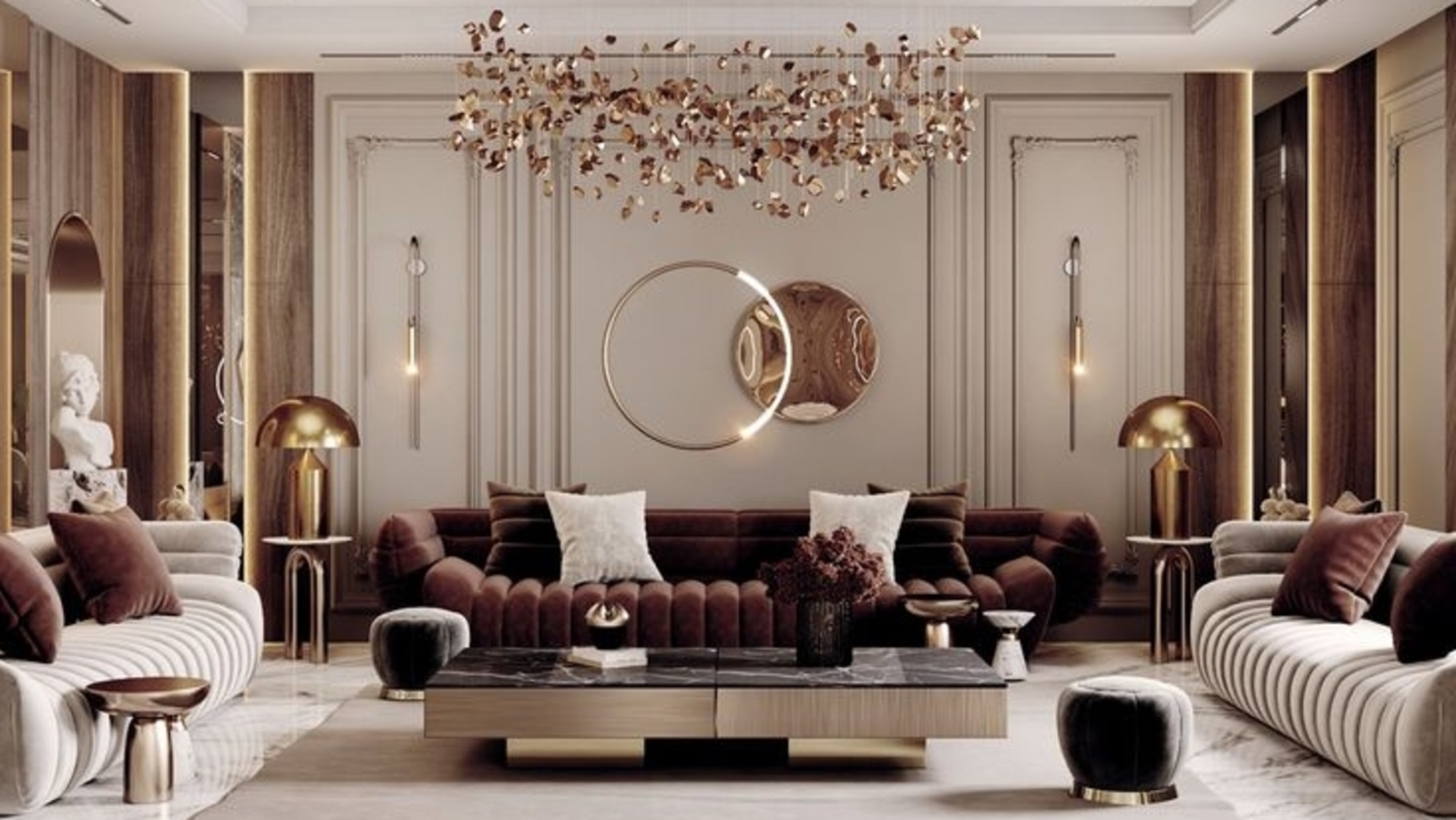
The art of interior design today extends far beyond selecting our furniture or colour choice. It is a crucial involvement in determining how we live, experience, and engage with the world around us. To Singapore homeowners concerned with design, those who love interior design will no longer be merely about great interiors, but homes that work positively towards wellness, peace, and functionality.
Through carefully considered designs, naturalistic elements, and sensory design solutions, the interior can be transformed into healing retreats that enhance the practice of mindfulness and promote health. The concept of beauty and well-being that we explore will exemplify practical concepts in interior design that will inspire those who expect their homesteads to appear beautiful in a way that supports normalcy.
Designing for Relaxation: Creating Calming Living Spaces
A home that has been designed should promote peace and healing. With careful decision-making when it comes to spatial planning, lighting, and colour, everyday interiors can be transformed into places where tension is caused less often and comfort is more welcome.
Soft Colour Palettes for Mental Calm
Low-key and muted colors, warm neutrals, less upscale greens, and pastel blues would create a relaxing and instantly atmospheric ambiance. Colour psychology reveals that these colours are very calming against overstimulation and therefore suitable for living rooms and bedrooms. When living the busy life of a city, Singaporean people can use a soothing palette as a stress relief valve for everyday anxiety, such as these design ideas from This Mood Board.
Optimised Lighting for Balance
Lighting has a greater impact on mood and productivity than they think. Maximisation of natural light must be achieved through broad drapings and open-plan designs, and a balance should be created through the use of layered artificial lighting sources, such as warm, ambient, and intimate lamps, as well as task lamps, after sunset. The smart lighting can also help the homeowner control brightness according to their activity, whether it’s a stressful morning or a stress-free evening.
Furniture That Encourages Rest
It is possible to use furniture with multifunctional and ergonomic properties to qualify as both relaxing and saving space. A strong sectional couch, chairs, or low modular seating helps provide a welcoming, restful, and social atmosphere. In compact Singapore apartments, a piece of furniture with dual functionality (e.g., a sofa bed or a fold-up lounge chair) will not be bulky, allowing for more space.
Mindfulness in Motion: Designing Spaces that Support Well-Being
Interior design can lead us to walk and interact with our environment. Homeowners can create a more mindful and healthy lifestyle through layout design, transforming their living spaces into homes that are more aware of their everyday lives.
Decluttering with Smart Storage
The first impediment to mindfulness is clutter. Sophisticated storage systems, such as built-in cabinet work, drawers beneath beds, and columns standing on the walls, minimize visual clutter while still making necessary items easily accessible. Minimalism in design does not concern empty spaces, but rather about carefully chosen objects that assist the occupant in relaxing and concentrating on task accomplishment.
Nature-Infused Interiors
Green design, also known as Biophilic design, which incorporates natural materials and greenology, has been observed to reduce stress and improve mental well-being. Plants in the house, rocky flooring, and wooden decorations harmonize with nature, providing city dwellers with a sense of tranquility by linking them to the natural world. Even the slightest details, such as bamboo or rattan decorative elements, can transform the space into a wellness hub.
Flow-Oriented Spatial Planning
Space relationships also determine movement and people’s feelings at home. Open spaces that have clear areas to work, with designated breaks and meal times, encourage a natural flow in daily routines. Compact Singapore homes utilize sliding partitions or glass walls to create a seamless flow of spaces without compromising privacy, making the rooms functional and compatible.
Healthy Living Through Functional Design
Interior design also contributes to physical health, improved air quality, and ergonomic issues. Besides style, practical choices can transform homes into a healthier and more sustainable place, benefiting the quality of life.
Air Quality and Ventilation
Ventilation is poor, which is a source of exhaustion and discomfort. By integrating air purification through the use of plants and introducing cross-ventilation indoors via window placements and ceiling fans, it helps keep the airspaces fresh. Homeowners also have the option of venturing into air filtration to minimize allergens, particularly in densely populated areas of Singapore.
Ergonomic Work-from-Home Setups
Ergonomic configurations are crucial for long-term health, particularly in light of the increasing prevalence of remote work. The working desks, supportive seats, and monitor heights are adjustable, causing less strain and enhancing productivity. Arranging the workspace should include a dedicated working area, even if it is small, because it helps maintain a healthier balance between work and personal life.
Kitchens That Encourage a Healthy Lifestyle
Easy, healthy eating habits are encouraged by functional kitchens. Organized storage layouts, convenient countertops, and natural lighting provide pleasant cooking spaces. The use of environmentally friendly materials such as stone surfaces or wood cabinets with environmental credentials, coupled with a wellness-promoting design, further improves the wellness and beauty.
Conclusion
Interior design has ceased to be a concern regarding our appearance. It determines our daily sleep habits, thoughts, and lifestyles. With stylish design and tactical functionality, Singapore homeowners can create a home interior design that evokes a sense of relaxation, contemplation, and well-being.
With soft colors and comfortable furnishings, one of the most refreshing interior designs created by top interior designers in Singapore can transform a house into its own refuge, fostering both physical and mental well-being. For those seeking to integrate beauty into the wellness dimension, the concept of functional design is not a fleeting fashion trend but a lifestyle that offers tangible benefits, promoting a more rational, healthy, and sound life.
FAQs
How can interior design improve everyday well-being at home?
The interior design promotes well-being through neutral palettes of colours, natural lighting, ergonomic furnishings, and uncluttered styles. These practices aim to reduce stress levels, enhance mindfulness, and promote healthy living conditions in day-to-day activities.
What are the best interior design ideas for small homes in Singapore that prioritize wellness and comfort?
Structurally shaped furniture must be designed to fit small spaces, be multifunctional, incorporate biophilic elements, and flow seamlessly. Small homes would also seem open, relaxed, and rejuvenating, with minimal storage and a palette of relaxed, light, and cooling colours. Feel free to check out This Mood Board to find out more interior design ideas and inspirations in Singapore.
Why is functional interior design essential for healthy living?
Functional design promotes physical and mental health by enhancing the quality of the air, facilitating the development of ergonomic habits, and enabling relaxation. It extends beyond beauty in creating environments that foster mindfulness, harmony, and comfort in daily living conditions.





Comments