
 By
By 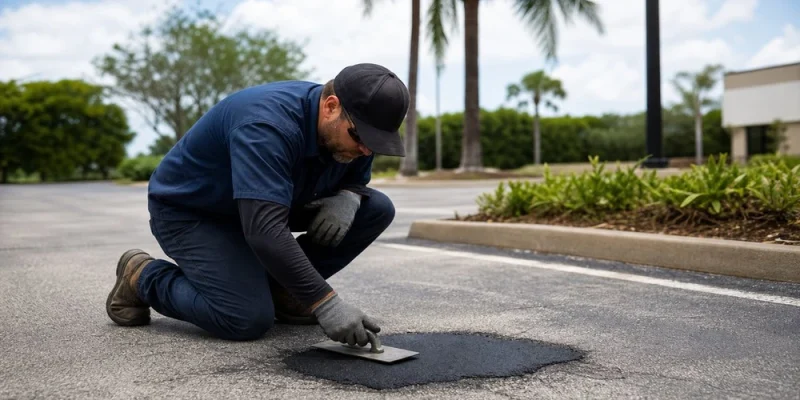
It might look perfectly okay to a passerby after a few days of rain, but a commercial property can have hidden issues beneath the surface. Water collects near an entrance. Cracks are starting to separate. Striping for accessible spaces is hard to see. Tenants and shoppers might encounter these problems, but they’ll notice them most when they’re having an issue with them.
Before the next rainy season, property managers and building owners can walk their lots to find problem areas and plan maintenance and repair around business hours and weather conditions.
Surface Problems
Water Collecting Near the Entrance
Water is not only annoying if it collects in the same spot each time it rains. If it gathers at an entrance, it can go inside the store, cover up other damage, and make walking from the car to the entrance uncomfortable.
Check for water gathering along curbs, near drain grates, and in low areas at crosswalks. A slight depression might indicate settlement of the pavement, poor water flow, or a broken edge that is preventing water from draining. Visit https://www.epa.gov/soakuptherain/soak-rain-whats-problem to learn more.
The solution may not require major reconstruction. Sometimes removing a portion of asphalt and replacing it will restore the proper grade. Sometimes it is necessary to fix the drainage structures first before fixing the pavement. It is important to find the cause of the ponding rather than merely treating the symptom.
Cracks Getting Wider
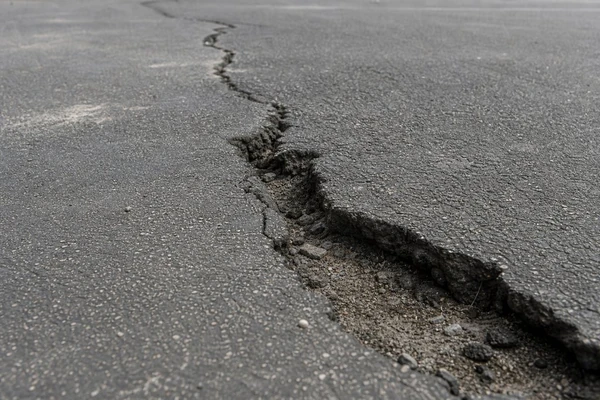
Small cracks can grow rapidly if water seeps under the asphalt surface. Frequent wetting, drying, and heavy traffic can cause the subgrade to soften, ultimately leading to crumbling edges and potholes.
Check these areas carefully:
- Cracks along vehicle travel paths and loading zones
- Breaks near utility access covers and storm drains
- Broken edges at the ends of parking stalls
- Sections of patch that are beginning to separate from the surrounding pavement
Crack sealing is an appropriate remedy if the pavement is otherwise structurally sound. If the asphalt around the crack is soft, deflecting under traffic, or breaking apart, a larger repair might be required. Blacktop By Beede Paving can help assess the condition of the pavement and determine the most practical repair approach.
If a newly paved parking lot shows only minor cracks due to normal settling, it might not warrant extensive repairs. However, such cracks should still be monitored.
Markings and Hardware
Accessible Space Striping
Striping deteriorates slowly, which can lead to deferred maintenance. Suddenly, it’s a rainy night, reflections off the pavement are blinding, and drivers can’t distinguish designated spaces, directional arrows, or pedestrian routes.
Accessible parking spaces (click here to know more) are especially important because faded striping can create accessibility issues, as well as legal and safety concerns. A professional contractor should inspect the condition of the paint and assess the clarity of the symbols, boundaries, signage, curbing, and access aisles.
Restriping usually works best after patching and sealcoating. Repainting over pavement that is scheduled for repair will result in wasted time and effort.
Wheel Stops and Tripping Hazards
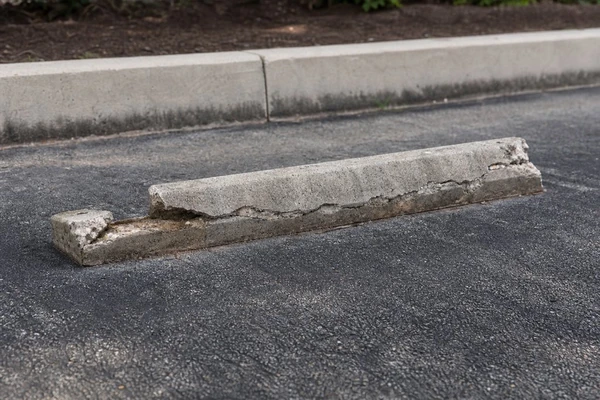
Wheel stops can fail gradually. A screw loosens. One becomes misaligned. The concrete cracks at the corners. By the time someone notices, it could present a tripping hazard, or fail to protect a sidewalk, wall, or landscaping area.
Inspect wheel stops, curbs, and parking blocks during routine walk-throughs. Do not attempt to realign or repair damaged or broken components. Replace units that move when pushed or exhibit major damage.
Before workers get to the site, determine what might be damaged or need to be covered during the paving process. Mark irrigation heads, valve boxes, utility covers, dumpster pads, speed bumps, and low-hanging signs on a site plan.
Request that tenants remove their cars from the impacted area, and verify how delivery, garbage, and emergency vehicles will be diverted when one or more parking lot lanes are blocked. If the site contains catch basins, ensure they are free of leaves and debris to give stormwater an outlet after patching is finished.
Taking care of these minor details can keep a simple pavement repair from resulting in unnecessary wait times, service blockages, and property damage.
After a rainstorm, take a picture of each problem area and record its location, size, and date. These records will be useful in tracking changes, determining which problems should be fixed first and providing more information to contractors for accurate estimates when areas aren’t wet.
Repair Scheduling
Plan Around Business Hours
An asphalt contractor can schedule repairs for drainage, resurfacing, sealcoating, and restriping in a way that minimizes disruptions during peak business hours. Keep in mind that weather will also affect the timing of certain activities. Asphalt must be fully cured before it can support traffic, typically for 24 hours after sealcoating.
Coordinate all closures before the job starts. Don’t leave it to chance that you will know when to reopen after the work is done.
Pre-Repair Walk-Through
A brief walk-through today can save calls from tenants tomorrow. Document the areas where water collects, the cracks that continue to spread, and any faded lines or broken wheel stops before asking for repair quotes.




Comments