
 By
By 
For many years, Singapore’s property narrative was dominated by Core Central Region (CCR) prestige, where prime districts commanded attention from both investors and homeowners. However, in 2026, a quieter but more structurally significant trend has emerged: the steady rise of Outside Central Region (OCR) suburbs as serious long-term property performers.
This shift is not speculative hype. It is driven by infrastructure expansion, decentralised employment hubs, and changing buyer behaviour that increasingly prioritises practicality, value, and liveability over central address prestige.
The Structural Shift Toward Decentralisation
Singapore’s urban planning strategy has long emphasised decentralisation, but its impact is becoming more visible only in recent years. Instead of concentrating jobs and housing in the city centre, the government has developed multiple regional hubs designed to distribute economic activity more evenly.
This has created a ripple effect in the residential market. Areas once considered purely “heartland” locations are now gaining traction as viable investment zones due to improved connectivity and rising employment opportunities nearby.
As a result, OCR districts are no longer viewed as secondary markets. They are increasingly seen as essential components of Singapore’s long-term housing ecosystem.
Infrastructure as the Primary Growth Catalyst
One of the strongest drivers of suburban property performance is infrastructure development, particularly MRT expansion and integrated transport networks.
Lines such as the Jurong Region Line, Cross Island Line, and Thomson-East Coast Line are significantly reducing travel times between suburban estates and key employment hubs. This has reshaped buyer perceptions of distance and accessibility.
Areas that were previously considered “too far” are now effectively within comfortable commuting range of major business districts. This redefinition of connectivity has directly increased demand for OCR condominiums.
Emerging Growth Nodes in the Suburbs
Several suburban districts are standing out as key growth nodes in 2026. Jurong, Punggol, Tampines, and Sengkang are among the most notable examples, each benefiting from a combination of infrastructure upgrades and economic decentralisation.
Jurong, for instance, is evolving into a second CBD with commercial clusters and lifestyle infrastructure. Meanwhile, Punggol is positioning itself as a digital and innovation hub, attracting younger professionals and families.
Tampines continues to strengthen as an established regional centre with strong retail, business, and transport infrastructure. These developments collectively reinforce the long-term viability of suburban property investment.
Residential Demand Driven by Lifestyle Shifts
Beyond infrastructure, lifestyle changes are also influencing suburban property demand. The rise of hybrid and remote working arrangements has reduced the necessity of living near the central business district.
Many buyers now prioritise space, affordability, and quality of life over proximity to the city centre. This has led to increased interest in larger suburban units, family-friendly layouts, and developments with comprehensive amenities.
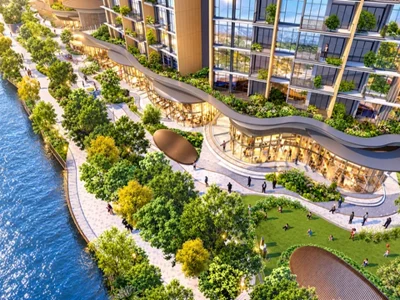
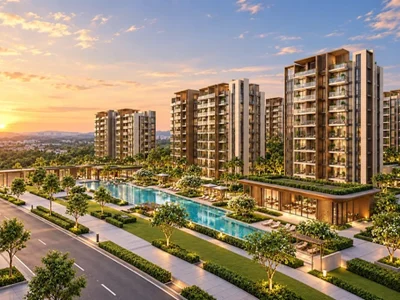
Modern OCR condominiums are responding to this shift by incorporating features such as co-working spaces, green landscaping, fitness facilities, and smart-home integration.
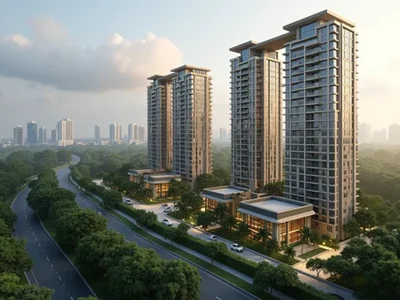
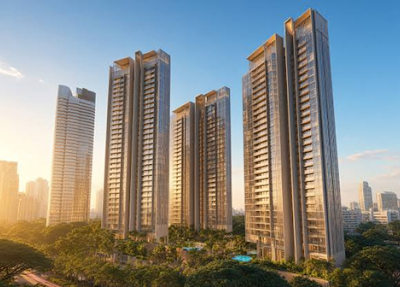
Developments like Lucerne Grand reflect this trend by offering contemporary suburban living with strong connectivity advantages, appealing to both homeowners and rental investors.
Similarly, projects such as Island Residences highlight the appeal of quieter residential environments that still maintain accessibility to major transport routes and future growth corridors.
Rental Market Strength in OCR Districts
A major misconception is that suburban properties underperform in rental markets. In reality, OCR districts are now some of the most stable rental markets in Singapore.
This is largely due to strong demand from local professionals, young families, and expatriates working in decentralised business hubs. These tenants often prefer suburban living due to lower rental costs and larger living spaces.
As more employment clusters emerge outside the CBD, rental demand in OCR areas is expected to strengthen further. This creates a consistent occupancy base for landlords, reducing vacancy risk and improving long-term income stability.
Price Accessibility and Entry Point Advantage
One of the key advantages of suburban properties is affordability relative to central regions. Lower entry prices allow investors to achieve better leverage efficiency and potentially higher rental yield percentages.
This accessibility has made OCR properties particularly attractive to first-time investors and long-term portfolio builders who prioritise cash flow over prestige.
While capital appreciation may be slower compared to prime districts, the lower financial barrier to entry creates a more balanced risk-reward profile.
Government Planning and Long-Term Growth Visibility
Singapore’s strong urban planning framework provides a high degree of visibility for suburban property growth. Unlike many global markets, where development can be unpredictable, Singapore’s master planning approach ensures that infrastructure, housing, and commercial development are tightly coordinated.
This gives investors confidence that suburban growth is not accidental but structurally supported.
For example, the development of Tengah as a smart town and the expansion of Jurong Lake District demonstrate long-term commitment to decentralisation, which directly benefits surrounding residential areas.
Capital Appreciation Trends in Suburban Markets
Historically, suburban properties in Singapore have shown steady but gradual appreciation. However, recent infrastructure improvements are beginning to enhance growth potential in select OCR districts.
Properties located near new MRT lines, integrated hubs, and upcoming commercial centres are likely to outperform older suburban estates without similar connectivity upgrades.
This creates a more differentiated market within the OCR segment, where location within the suburb matters just as much as the suburb itself.
Buyer Profile Evolution in OCR Areas
The buyer demographic in suburban Singapore is also evolving. While earlier generations of buyers were primarily owner-occupiers, today’s market includes a growing proportion of investors and upgraders.
Young professionals are increasingly using OCR properties as both starter homes and long-term investment assets. Families are also prioritising suburban living due to better space efficiency and proximity to schools.
This diversification of demand strengthens the overall stability of the suburban market.
Long-Term Outlook for OCR Property Growth
Looking ahead, OCR districts are expected to remain a core pillar of Singapore’s residential property market. Their growth will be supported by continued infrastructure development, decentralised employment growth, and evolving lifestyle preferences.
While they may not match CCR properties in prestige or extreme price appreciation, they offer a compelling balance of affordability, stability, and rental demand.
For many investors, this makes suburban properties a foundational component of a diversified real estate portfolio.
Conclusion
The rise of suburban property markets in Singapore is not a temporary trend but a structural shift driven by urban planning, infrastructure expansion, and changing lifestyle needs.
OCR districts are no longer secondary alternatives—they are becoming central to Singapore’s housing future. With strong rental demand, improving connectivity, and increasing economic activity, suburban properties are positioned for steady long-term performance.
For investors and homeowners alike, understanding this shift is key to identifying sustainable opportunities in Singapore’s evolving real estate landscape.


Comments