
 By
By 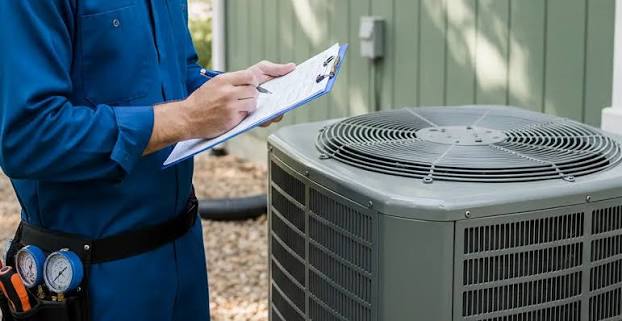
Heating and cooling systems rarely fail at a convenient moment. An air conditioner may stop producing cold air during the hottest week of summer, while a furnace can suddenly struggle just as temperatures begin to fall. When something goes wrong, professional HVAC Repair can help restore indoor comfort while addressing the actual cause of the problem rather than simply treating the symptoms.
Modern HVAC equipment combines mechanical components, electrical systems, sensors, thermostats, refrigerant lines, filters, and airflow controls. A problem with just one component can affect the performance of the entire system. For homeowners, recognizing the warning signs early can make the difference between a relatively straightforward repair and a much larger problem.
Common Signs Your HVAC System Needs Attention
Not every HVAC problem results in a complete shutdown. In many cases, heating and cooling equipment continues operating while gradually becoming less effective.
One of the most noticeable warning signs is inconsistent temperature. Perhaps the thermostat is set correctly, but certain rooms remain noticeably warmer or colder than others. Reduced airflow from the vents is another reason to investigate the system. This may be connected to a dirty filter, ductwork issue, blower problem, or another component affecting air circulation.
Unusual sounds also deserve attention. HVAC equipment naturally produces some noise during operation, but grinding, rattling, squealing, banging, or persistent clicking may indicate a developing mechanical issue. Strange odors, repeated cycling, unexpected shutdowns, and difficulty reaching the desired temperature can also suggest that HVAC Repair should be considered.
The important point is not to wait until the equipment stops working completely. A system can often provide warning signs before a major failure occurs.
Why Professional Diagnosis Matters
HVAC problems are not always as simple as they appear. For example, an air conditioner that is blowing warm air could have an airflow problem, thermostat issue, electrical fault, refrigerant-related problem, or malfunctioning component. Replacing something without identifying the underlying cause may not solve the issue.
Professional HVAC Repair begins with diagnosis. A trained technician can inspect the equipment, evaluate its operation, and determine which part of the system is responsible for the symptoms.
This approach can be particularly valuable because multiple HVAC problems may produce similar warning signs. Low airflow, for instance, does not automatically mean the blower motor has failed. Proper troubleshooting helps avoid unnecessary work and allows the repair to focus on what actually needs attention.
The Heating Cooling Doctor provides heating and cooling services for homeowners who need assistance diagnosing and resolving HVAC system problems.
Air Conditioning Problems Should Not Be Ignored
During warm weather, an air conditioner may operate for many hours each day. That workload can expose weaknesses that were not obvious during milder conditions.
If the AC system runs continuously without sufficiently cooling the home, there is likely a reason. The same applies when the unit frequently starts and stops or when airflow suddenly becomes weaker.
Timely HVAC Repair may help prevent a smaller problem from placing additional strain on other components. When one part of the system is not functioning correctly, the equipment may need to work harder to maintain the thermostat setting.
Homeowners should also pay attention to moisture or water appearing around indoor HVAC equipment. Air conditioning systems naturally produce condensation, but unexpected water accumulation should be investigated rather than ignored.
Heating System Reliability Matters in Cold Weather
Heating problems create a different type of urgency. When temperatures fall, homeowners depend on their furnace or heating system to maintain a comfortable indoor environment.
A furnace that struggles to reach the thermostat setting, cycles unusually often, produces unfamiliar noises, or stops unexpectedly may require professional inspection. Even when heat is still being produced, unusual system behavior can indicate that something is not operating as intended.
Scheduling HVAC Repair before a minor issue develops further can help homeowners avoid discovering the problem during a particularly cold night.
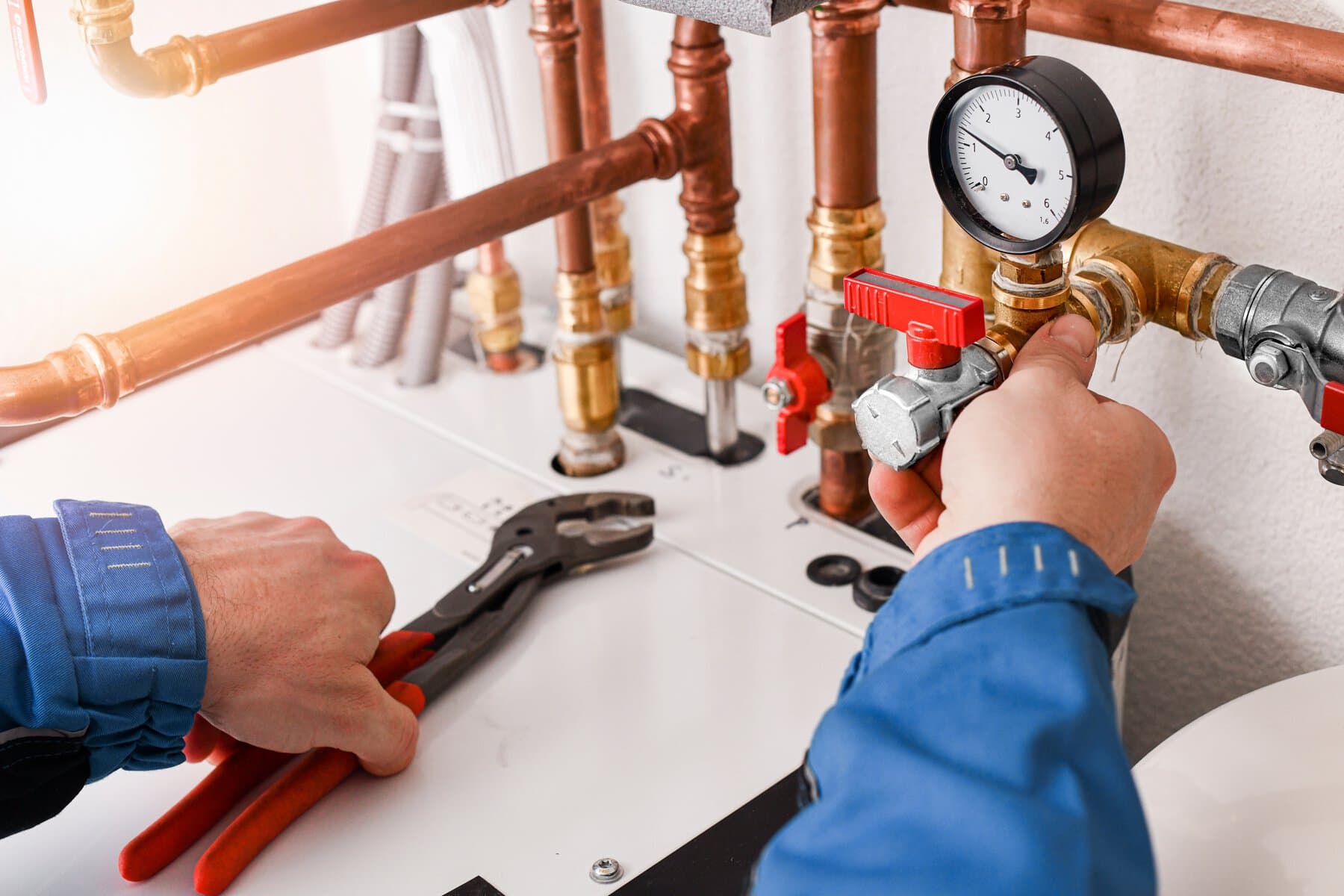
It is also important to remember that heating equipment involves electrical and, in some systems, combustion-related components. Complex repairs should therefore be handled by qualified professionals rather than approached as experimental DIY projects.
Repair or Replace: Which Option Makes Sense?
One of the most common questions homeowners face is whether an HVAC system should be repaired or replaced. There is no universal answer.
The age and overall condition of the equipment matter. So does the type of failure, the expected repair cost, previous repair history, and the system’s general performance.
A relatively minor issue on equipment that has otherwise been dependable may make repair an obvious choice. On the other hand, repeatedly repairing an aging system with multiple failing components may become less practical over time.
A professional assessment provides useful information for making this decision. Instead of focusing only on the immediate repair bill, homeowners can consider the condition of the complete system and its likely future needs.
Maintenance Can Reduce Unexpected Problems
No HVAC system can be guaranteed never to break down. However, routine maintenance provides an opportunity to identify certain developing problems before they become more disruptive.
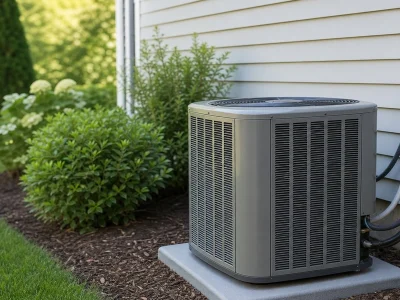
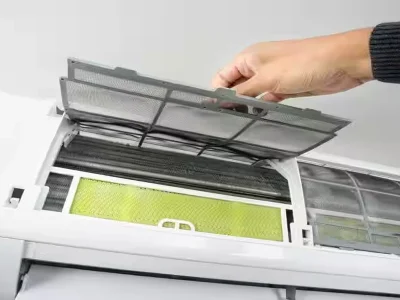
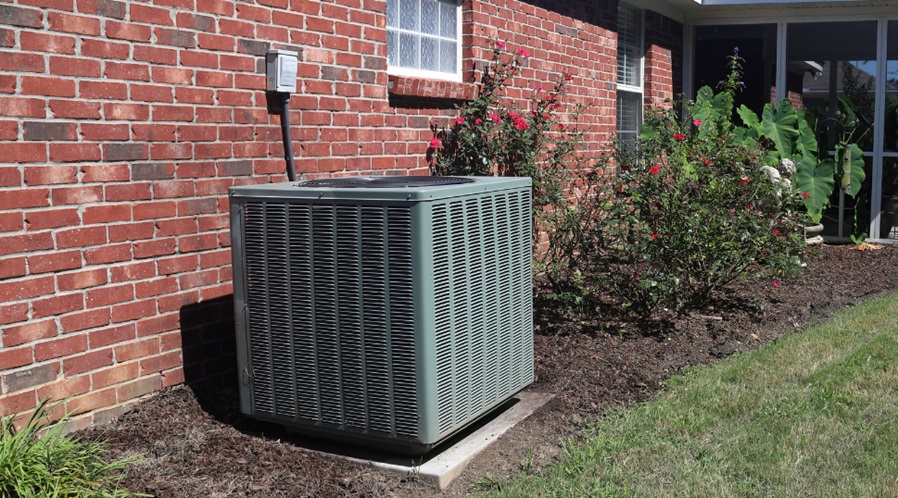
Filters should be checked and replaced when necessary because restricted airflow can affect both comfort and system performance. Outdoor equipment should remain reasonably clear of leaves, vegetation, and debris. Homeowners should also pay attention to changes in operating sounds, airflow, temperature consistency, and cycling behavior.
Professional maintenance goes further by allowing components and system operation to be inspected more closely.
Think of it like maintaining a car. Waiting until the engine refuses to start is rarely the ideal maintenance strategy. Heating and cooling equipment also benefits from attention before a complete failure occurs.
Choosing HVAC Repair With Long-Term Comfort in Mind
A comfortable home depends heavily on reliable heating and cooling. When that reliability begins to disappear, quick fixes are not always the best answer. Finding the source of the problem is what ultimately matters.
Professional HVAC Repair can address problems ranging from poor airflow and inconsistent temperatures to unusual noises and complete equipment failure. The goal should be to restore proper operation while understanding why the problem occurred.
Homeowners who pay attention to early warning signs, schedule appropriate maintenance, and seek qualified assistance when necessary are better positioned to keep their systems working throughout changing seasons. Whether the issue appears during a summer heat wave or on a cold winter morning, addressing HVAC problems promptly can help restore the one thing every home should provide: dependable comfort.

Comments