
 By
By 
When receiving an estimate for a heating and air conditioning (HVAC) system, ask:
- Was a load calculation performed to size the heating/cooling system correctly?
- Will the ducts be checked or tested for proper heating and air conditioning airflow?
- Are any electrical updates needed? What is included?
- Are new line sets (between indoor and outdoor units) included? What about the condensate safety switch and/or drain?
- Who removes and disposes of the old unit?
- Who pulls the permits? Are any permits required?
- What is covered under the manufacturer’s and contractor’s warranties? Who services and maintains the system?
Compare Everything Included in the Estimate
HVAC estimates should include labor, electrical work, equipment cost, permits, and more. Understanding the factors that affect HVAC installation cost installed in San Antonio can help homeowners compare estimates and determine what goes into the total price.
It can be a challenge comparing HVAC quotes when prices can vary significantly between companies. It’s wise to dig a little deeper and understand what factors can influence the total project cost, especially with one of the largest purchases your house will ever see.
Match the Equipment to the Home
When estimating a new heating and air conditioning system, it’s important for your contractor to examine all elements of the current setup, from the mechanical equipment to the ducts, home condition, and existing electrical infrastructure. It’s not as simple as matching up the old system with a new piece of equipment, and a variety of other factors come into play before recommending a new heating and air system.
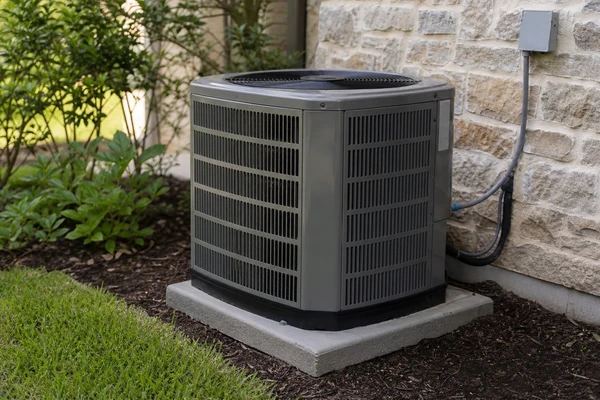
Different types of HVAC equipment are available, including central split system air conditioners, heat pumps, packaged units, ductless heating and air systems, dual-fuel systems, and more. Different units also have varying options and efficiencies to choose from. Each selection has a bearing on equipment costs, as well as materials and labor associated with the installation.
Estimates should include a detailed scope of work for your project. This can help you decipher between quotes and better understand what’s included for the price quoted. Key factors to review in an estimate include, but are not limited to:
- Outdoor (condensing) unit size/capacity and efficiency
- Indoor coil and/or furnace size/capacity and efficiency
- Included components (both indoor and outdoor), like thermostats, drain pans, disconnects, pads, vibration isolation pads, etc.
- Electrical work and updates needed to complete installation
- Duct modifications to complete the installation
- Refrigerant line sets
- Any special tools/equipment needed to access the equipment location(s)
- Permit fees
- Who handles the permits
- Old equipment removal and disposal
- Startup and system check
Depending on the heating and air system desired, other charges may apply. Higher-efficiency heating and air conditioners typically have a higher equipment price than comparable standard-efficiency models. Premium costs can reflect humidity control features, quieter operation, and advanced technology, like a variable-speed air handler blower motor, a two-stage compressor, and more.
Choosing a higher-efficiency HVAC system may not make financial sense for every application. Before making a decision, consider how long you plan on remaining in the house, how often the system will be used, humidity control needs, budget considerations, and more.
Calculate the Required Heating and Cooling Load
Along with understanding what type of heating and cooling system to install, your contractor should also conduct a load calculation to correctly size the system. A load calculation factors in design conditions in your area – which discussed on this page, along with many variables of your home, including the square footage, insulation levels, ceiling height, layout, windows, air infiltration, etc., to determine the correct-sized heating and air conditioning system.
When a system is oversized, it will reach the desired temperature quicker, only to prematurely shut off. Humidity removal will also suffer with a short-cycled system, along with increased wear and inconsistent temperatures throughout the home. On the other hand, when equipment is undersized, it can run nonstop to keep up with heating and air conditioning demands, particularly on the coldest and warmest days of the year.
Inspect the Ductwork Before Replacement
The condition of the ducts is an important factor when considering a heating and air replacement. In some situations, a home’s duct system might be crushed or damaged, the wrong size, lack insulation, and have other issues that can inhibit a new HVAC system from performing up to potential. Unless your ducts have been inspected recently or were just installed, there’s no way of knowing for certain that they are in good condition and sized appropriately for a new system. Modifications can include anything from additional return paths to a larger supply trunk and air leakage sealing.
Check Electrical Capacity, Drainage, and Clearances
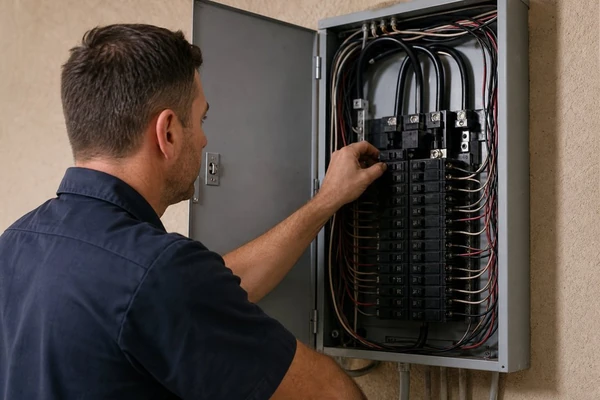
Some HVAC systems can demand a dedicated circuit. While a breaker may seem readily available inside an older electrical panel, there may not be enough amperage service or room inside the panel to add another breaker. An electrical update could be required and increase project costs.
There are also a handful of other considerations that can influence the labor portion of an HVAC quote, including:
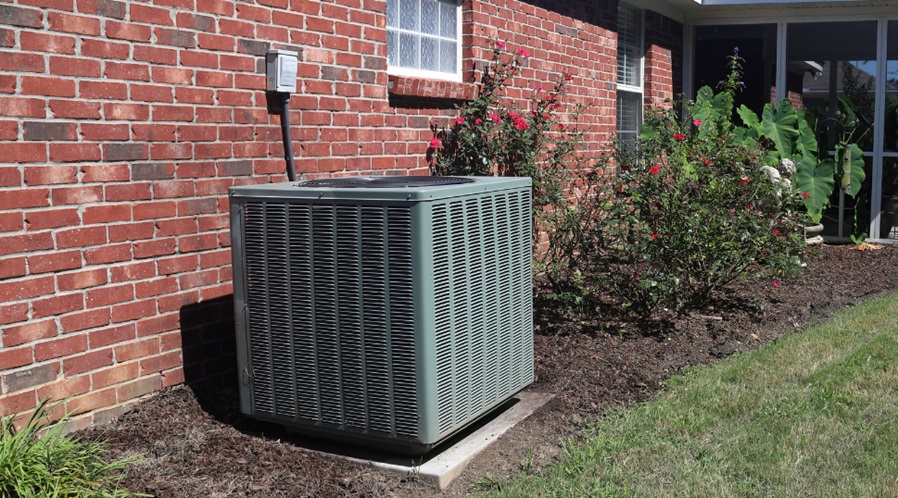
If there isn’t enough airflow around the current condensing unit (wall too close, shrubs, fence, etc.) or adequate service access, then it may be necessary to relocate the equipment. Other times, the drain may need to be pitched in a certain direction for proper drainage to avoid water issues or condensation safety shutoffs. Even if there’s space in an electrical panel for a breaker, the safety components might need to be updated with a new disconnect for the heating/cooling equipment. All of these elements can affect labor and total costs associated with a new HVAC system.
Verify the Work Scope and Contractor Support
With so much riding on your heating and air replacement, it pays to find a contractor who will listen to your needs, inspect all components of the old system (not just the furnace and A/C unit), and provide a detailed, thorough estimate. It’s easy to see where savings were made when comparing multiple bids if one doesn’t include refrigerant line sets, a condensate switch, electrical disconnect, duct leakage sealing, permit fees or other aspects of a project.
Along with a thorough estimate, ask how contractors handle change orders if unexpected problems are encountered with your home during the installation process. Some problems aren’t visible until existing equipment is removed.
With a quality heating and air company, the hard work doesn’t stop once the new system is operating. Get all your questions answered before, during, and after your system replacement. Be sure to ask about proper maintenance, extended warranties, manufacturer registration, etc. And don’t throw anything away! Saving estimates, warranties, equipment information, inspection reports, and other pertinent information about your system comes in handy later, whether scheduling routine maintenance or selling your house.
Comments