
 By
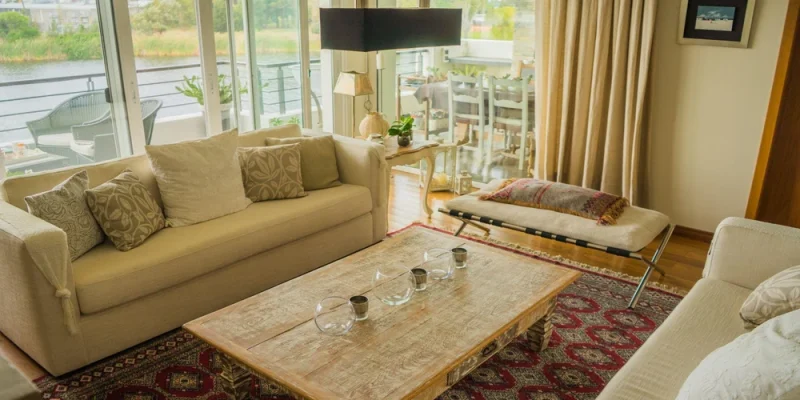
Furnishing a home involves more than choosing styles and colours. Some pieces are used heavily for many years, while others are only needed for a particular stage of life, a short posting or a change in household size. Renting furniture in Singapore has become a practical option for many residents, but it does not suit every item equally. Looking at how each piece will be used, how long it will be needed and how personal it is can help you decide where renting makes sense and where buying offers more value.
Furniture That Makes Sense to Rent
Renting tends to suit pieces that are needed for a limited time or that may change as your circumstances shift. Items that often fall into this category include the following:
- Sofas and living room sets for tenants on short leases or work assignments.
- Dining tables and chairs while waiting for a new home to be completed.
- Home office desks and chairs for temporary or project-based remote work.
- Children’s furniture, such as cribs and toddler beds, which are quickly outgrown.
- Guest beds or extra seating for relatives staying for a few months.
- Statement pieces used to stage a home for sale or rental viewings.
Furniture That Makes Sense to Buy
Buying is usually the stronger choice for pieces that will be used daily for many years or that need to suit you personally. These commonly include items like these:
- Mattresses and pillows, which are personal in terms of comfort and hygiene.
- Built-in wardrobes, shelving or carpentry designed to fit a specific space.
- Solid wood dining tables, cabinets or heirloom pieces meant to last decades.
- Ergonomic chairs adjusted to your body and used for long working hours.
- Bed frames and bedroom sets for a home you plan to stay in long term.
- Items with sentimental value or a design you are unlikely to tire of.
Comparing the Two Options
Beyond the type of item, other practical factors shape the decision. Providers of furniture rental in Singapore often structure their packages around these differences, which are summarised below:
| Factor | Renting | Buying |
| Upfront cost | Monthly fees and a deposit, with little paid at the start | Full payment upfront, or instalments through a retailer |
| Total cost over five years or more | Can exceed the purchase price for heavily used pieces | Usually lower for items kept for many years |
| Moving house | Items can be returned or swapped instead of transported | Owners pay for moving, storage or disposal |
| Repairs and wear | Often covered by the provider under normal use | Owner is responsible for all repairs |
| Customisation | Limited to the provider’s catalogue | Full choice of size, material and finish |
| End of use | Collected by the provider | Must be sold, donated or disposed of |
Mixing Both Approaches in One Home
Many households find that combining rented and owned furniture gives them flexibility without overspending. A mixed approach might look like this:
- Buying a mattress and bed frame while renting the living room set.
- Owning a work chair while renting a desk until a permanent layout is decided.
- Renting a larger dining set for a few months while saving for a long-term piece.
- Starting with rented items and later choosing a rent-to-own option, where available, for the pieces you grow attached to.
- Replacing rented pieces with purchased ones gradually as your plans become more settled.
Matching Each Piece to Your Plans
The right choice depends less on the furniture category and more on how long you expect to need it and how closely it must fit your space, body or taste. Reviewing each item against your plans for the next few years can help you avoid paying for flexibility you do not need, or committing to pieces you may soon outgrow.
Not sure which pieces to rent and which to keep? Speak with us at Lian Huat to put together a rental package that fits your plans.



Comments