
 By
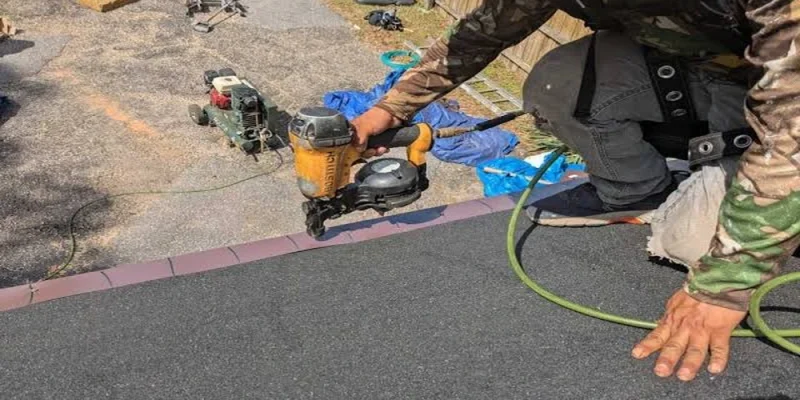
Most homeowners spend weeks comparing materials, colors and bids, then give almost no thought to the few days when a crew is actually tearing the old roof away above their heads. Those days are loud, dusty and strangely personal. Pictures rattle on the walls, the driveway disappears under a dumpster, and the attic you forgot about suddenly matters a great deal.
None of it has to be stressful. Most of the friction during a reroof comes from small surprises that nobody mentioned ahead of time, and nearly every one of them can be handled with a little planning.
Planning a Tucson roof replacement with the family behind realityroofingco.com, for example, involves three people you will get to know quickly. Tiffani Porter handles scheduling, owner Dave Porter comes out for the estimate himself, and their son Elijah leads a production crew of more than 50 roofers once the work begins. The company commits to confirming a build date within 48 hours of a signed contract, which says a lot about how much the waiting and wondering phase weighs on homeowners.
Long Before the First Shingle Comes Loose
The calendar shapes a desert roofing job more than most people expect. Spring and fall are the comfortable seasons, so they fill up fast. Summer work still happens, but crews start at dawn and wrap up early because a dark roof deck in July can be dangerous to stand on by midafternoon.
Monsoon season changes the rhythm again. From mid June through September, storms build over the mountains in the afternoon with very little warning. A careful crew will only open as much roof as it can seal back up the same day, a step roofers call drying in. If your project lands in those months, expect a few short days and possibly a pause or two.
Paperwork runs in the background. Your contractor normally pulls the permit, but you are the one who knows whether your homeowners association controls tile color or profile. The Arizona Registrar of Contractors actually places that responsibility on the property owner, asking homeowners to share any HOA restrictions before a contract is signed. The same page lets you check a contractor’s license record, which takes about a minute and is worth doing for any roofer.
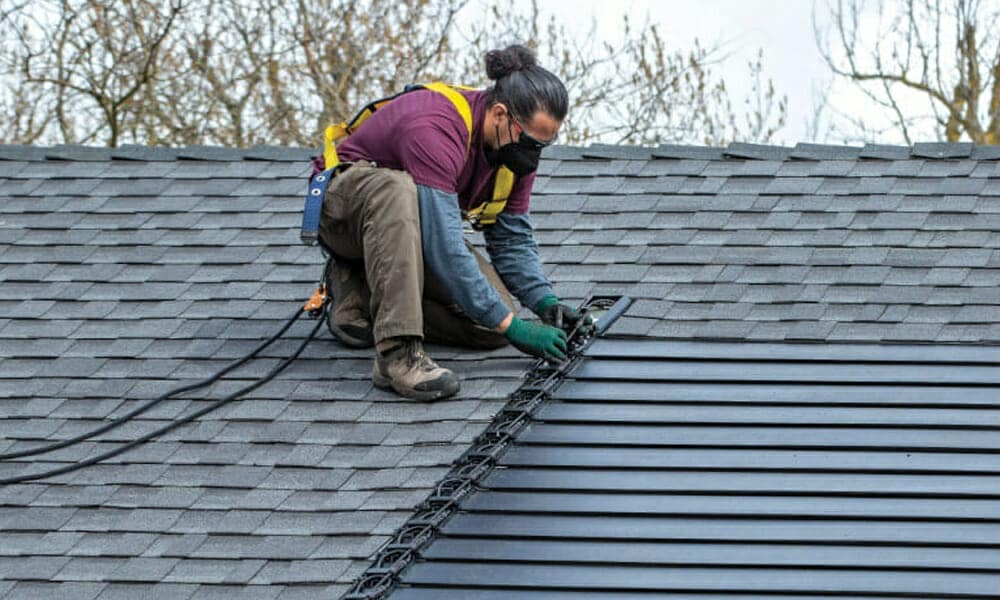
Two other items deserve a phone call well ahead of time. Solar panels have to be detached and reset, often by a separate solar company with its own schedule. And if a rooftop evaporative cooler or package HVAC unit sits on your roof, ask who disconnects it, who lifts it, and who reconnects it afterward.
The Evening Before the Crew Shows Up
A little preparation the night before saves a lot of frustration the next morning. These are the things homeowners most often wish they had handled sooner.
- Clear the driveway and garage approach. The dumpster and material trucks need room, and cars parked close to the house risk catching falling debris.
- Take down anything hanging on exterior walls. The pounding of tear off sends vibrations through the framing, and mirrors, shelves and framed photos can work loose indoors too.
- Cover what lives in the attic. Dust, old granules and bits of felt drift down through gaps in the deck. A few plastic sheets over stored boxes make cleanup far easier.
- Read the pool and AC clause in your contract. Many roofers, including some of the most careful ones, leave protection of pools and ground level AC units to the homeowner. A pool cover and a tarp over the condenser are cheap insurance against nails and grit.
- Move patio furniture, potted plants and grills. Anything within a few feet of the eaves is in the drop zone.
- Plan around pets and naps. The noise is constant, and dogs in particular can get anxious enough to slip through an open gate while crews come and go.
- Give the neighbors a heads up. A friendly note about the noise and the truck traffic goes a long way.
Tear Off Day Brings the Noise
The first morning is the hardest one to sit through. Shovels and pry bars strip away the old shingles or tile along with the underlayment beneath them, and the debris slides down into the dumpster or onto tarps spread across the yard. If you work from home, this is the day to work somewhere else.
It is also the day the roof deck becomes visible for the first time in decades. Plywood or plank sheathing that looked fine from the attic sometimes turns out to be soft near valleys, chimneys or old leak spots. A well written contract prices replacement sheathing by the sheet ahead of time, so a change order on tear off day is a simple calculation rather than an uncomfortable negotiation. Ask your project lead to show you anything they plan to replace. Most good crews are happy to take photos.
Tile jobs feel different from shingle jobs. Old tile is heavy and slow to remove, and if the plan involves new tile, the pallets may have been loaded onto the roof a day or two earlier to spread the weight.
The Middle Days and the Layers You Will Never See Again
Once the deck is sound, the new roof goes on in layers. Underlayment comes first, followed by metal drip edge at the eaves, flashing where the roof meets walls, and new boots around plumbing vents. Ventilation gets attention here too, which matters in a city where attic temperatures can soar well past the outdoor reading. Intake and exhaust vents that are balanced properly help the new roof last longer and help the house shed summer heat.
Many Tucson homes also have a low slope section over a porch or addition. Those areas are often finished with modified bitumen or a reflective coating and tied carefully into the sloped roof, because that seam is one of the most common leak points on older homes.
These middle days are quieter, and they are a good time to step outside and ask questions. Crews generally appreciate a homeowner who is curious without hovering.
When the Last Truck Pulls Away
A finished roof is not quite a finished job. Before the crew leaves, someone should run a rolling magnet across the driveway, walkways and lawn to pick up stray nails, and the gutters should be cleared of debris. The city or county inspector may also need to sign off on the permit before the project is officially closed.
This is the moment to walk the property with your project lead and collect the paperwork that protects you for years to come. That includes the workmanship warranty, the manufacturer warranty for the materials, and confirmation that suppliers have been paid, since a final payment usually comes due when the work is complete. Keep the photos of the deck and the new underlayment in the same folder. Someday a buyer, an insurer or the next roofer will want to see what lies under the surface, and you will be glad you have proof of exactly what was done during that long, loud week.




Comments