
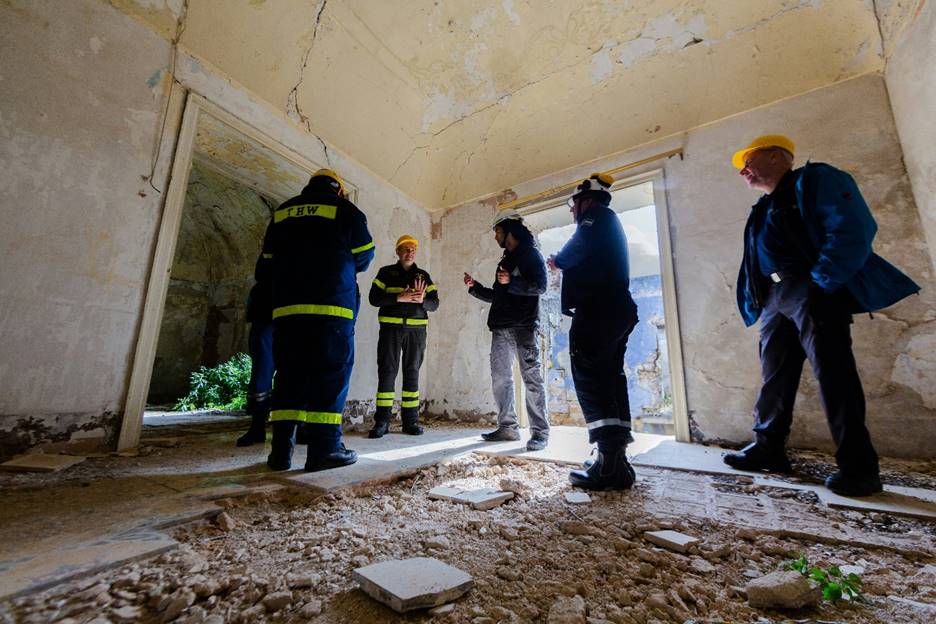
Wondering what it is like to take a structure down piece-by-piece? A demolition crew operates in an environment of strict safety expectations, efficient equipment operation, constant coordination and quick action. It’s loud, it’s dirty, and surprisingly, it is rather precise, almost like a surgery more than a chaotic environment.
Morning Safety Briefing
Before any engine is started, everyone gathers around the tailgate for a toolbox meeting. This is where the “what” happens and how everyone is expected to keep each other safe. The crew foreman brings up the important hazards overhead power lines, as well as hazards that may be hidden like pipes underground, and he matches every task to qualified operators.
When the demolition contract says selective demolition – preserving a building facade while gutting the interior – it becomes far more critical. After two fast checks in radio communication and announcing the clearing zones of the site, we establish our goals for the day:
- Personal protective equipment is collectively checked: hard hats, eye/ear protection, gloves, high-visibility vests. Check this site for safety guidelines.
- Communication channels are defined by role (operator, ground guide, truck lead).
- Hazard prevention is reiterated (dust suppression, vibrations limits, exclusion areas).
- Every permit and utility shut-off is inspected one last time before proceeding with the work.
Operating Heavy Equipment
Excavators rumble to life around mid-morning. The operator glides a hydraulic shear down a beam, and it neatly cuts through the beam precisely where a cut occurred yesterday on the beam – leaving a stark sweet steel line. A smaller skid steer hauls the debris to a safe drop zone while a ground guide monitors hand signals and keeps foot traffic out of the area. When using such heavy equipment, precision is key; the machine looks enormous, but the finesse of the touch is delicate.
In interior projects finesse wins out over brute force. You can imagine taking out just one rib of the skeleton, while leaving all the other ribs intact, or close to it. This is why crews change out attachments, like grapples, breakers, and buckets, to fit the material being worked with. In an interior demolition Post Falls job, for instance, the crew may be carefully “nibbling” concrete around an embedded conduit to allow an electrician to recover the copper later. The operators seem to move in choreographed movements – grab and cut, lower, stage – again and again – until the structure methodically spills forth its secrets to the operators.
Curious where the crew stages gear and meets with vendors between shifts? You can see the yard they reference here – JTC Demolition Post Falls. See it on a map here:
Debris Hauling Process
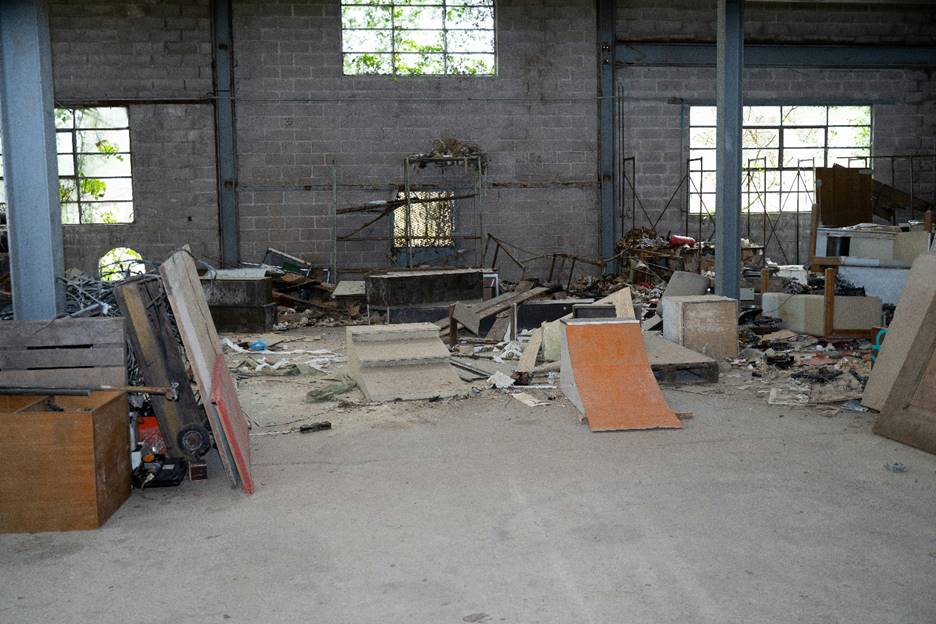
As the piles grow the rhythm changes from breaking to hauling. Logistics becomes the focus—how fast you can load the debris, stay under weight, and keep the streets cleaned. The lead tech checks the debris stream—metal concrete wood—so a container can show up at the right time.
Once the staging lanes are cleared, and traffic cones are set, the trucks can line up. The crew continues to wet down boards with a mister while spotters direct backing alarms and gate swings. Then it becomes a tight rhythm hauling like this:
- Concrete and brick will go to a crusher, and metal gets stacked for resale—two critical pieces of recycling construction and demolition debris, which saves money and landfill.
- Materials such as wood, drywall, and composite materials are placed into roll-off dumpsters that can be exchanged quickly, allowing the crews and trades to stay fed and the street opened up. Follow https://en.wikipedia.org/wiki/Roll-off_(dumpster) for more.
- Junk from tenants prior to the project is sorted for junk removal services, while things re-used are separated from overage waste.
Unexpected On-Site Challenges
Perhaps the excavator’s hammer finds a footing twice as thick as the drawings portrayed. Or, the crew removes drywall in a wall to find an unrecorded drain line. Then there are weather variables—wind gusting throughout the site, or rain that combines with dirt/sand to become soup once again. Surprises for sure, and once they start the entire team stops huddles and re-casts the plan.
There is artwork that adds one more moment of checking. If they find a suspicious tile or pipe wrap, the superintendent pulls for testing and containment, effectively stopping the crew from working in that area regardless of how close they are to completing the job. Definitely, the removal of asbestos will redeem a person’s day of trade and not for an agent of people, and not to notify the world of its compliance. This skill or flexibility of stopping assessing and then re-loading is really what our society calls professionals from amateurs.
Wrapping Up and Cleanup
At the end of the day, things are reset. The machines are parked nose out for fast starts again the next day. All of the tools are go back to properly labeled bins. A walkthrough of the site is performed for clean-up to maintain safety to the neighboring trade as well as a clean look for the area. Good clean-up is the difference of being a welcomed or unwanted neighbor, personally and professionally, right?
With the moving and heavy lifting out of the way the crew can now address the small stuff or start early for what tomorrow is. They can confirm the dumpster swaps are in process and will document all material tonnage as a log for who follows and what may need to be cut- roughly sawed for the next shift, The crew goes through an extensive pre-work checklist to ensure or attempt to ensure site conditions are well above the minimum disallow standards.
- Fences and signage are up and out of the other’s path.
- Street sweeper or broom impacts from the site to keep the extra soil where it belongs and not bother other businesses.
- Both recyclables and trash are separated, tagged and staged appropriately in alignment with debris recycling for the constructed project.
At the end of the day, as the sun goes down, the site will look nothing like it did at breakfast. To the structure of the building is close to half of what it looked like or lighter or now safer for the trades. All together a thoughtfully organized sequence of practiced sets of small moves. And, that is the true secret of demolition, and life, is practices over actions. Using the first of the day’s safety huddle, through the last drive or the last sweep of the bucket through to the sidewalk, demolition as a craft relies upon planner and communication and respect for all materials. When you watch it close, what you don’t see is chaos, you see a team that is working together-old structures turned into fresh slates for the next choice.