
With laundry being a regular part of household routines, many Singaporeans face the decision of whether to invest in home appliances or rely on public facilities. The cost and convenience of each method can vary depending on your living arrangement, usage frequency, and laundry volume. For urban dwellers or those in smaller flats, using a coin laundry machine might seem like an easy option. But is it more expensive in the long run compared to doing your laundry at home?
Understanding the Basics of Coin Laundry Services
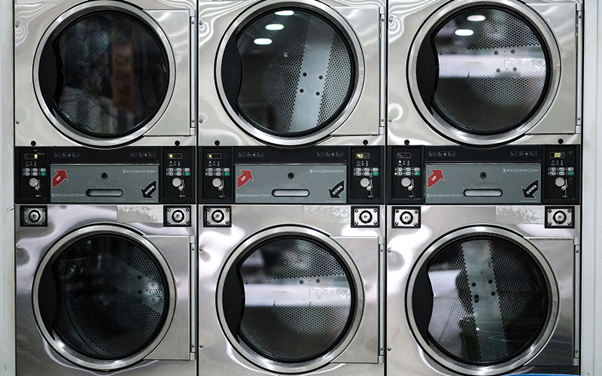
Coin laundry shops, also referred to as laundromats, offer self-service washing and drying using machines that are activated by coins or stored-value cards. These establishments are scattered across Singapore, especially in neighbourhoods with HDB blocks and condominiums, where space for bulky appliances may be limited. A coin laundry machine generally offers a large-capacity load and fast cycles, making it a convenient solution for busy individuals or those who don’t have washing machines at home.
The upfront cost of using a coin laundry service may appear low. A typical wash cycle can range from $4 to $7, depending on the load size and whether hot water is used. Drying may cost an additional $1 to $4. However, if you’re doing laundry twice a week, the monthly cost could add up to $40 or more. Multiply that over a year, and you’re potentially looking at nearly $500 in laundry expenses.
Cost Comparison With Home Laundry
At first glance, home laundry seems more cost-effective once you have the essential equipment. A decent washing machine, for example, may cost around $500 to $800. Over a five-year lifespan, this breaks down to approximately $100 to $160 annually. Utility costs for each load – water, detergent, and electricity – generally amount to less than $1 per wash, particularly when using energy-efficient appliances.
The savings become even more evident when doing multiple loads per week, as the cost per load remains consistent at home. The most significant initial barrier is the purchase of the machine and possibly a dryer, especially in households with no outdoor drying space. Still, many Singaporeans opt for a combination washer-dryer to save both cost and floor area.
Midway through your usage, the reliability of your appliance becomes critical. For example, a Speed Queen washing machine, known for its durability and high performance in both commercial and residential setups, may last more than a decade. Though these models can be pricier upfront, their long-term value and reduced maintenance costs make them a smart investment for larger families or frequent laundry users.
Evaluating Lifestyle and Convenience
Apart from cost, convenience plays a huge role in choosing between coin laundry and home use. Those who live in small flats or shared accommodations may find it difficult to accommodate a full-sized washing machine. For them, coin laundry machines are ideal – no maintenance, no commitment, and minimal space requirements.
However, there are trade-offs. You need to travel to the laundromat, wait for machines to be available, and stay nearby during the cycle. While some enjoy the social and communal aspect of laundromats, others see it as a time-consuming chore, especially during peak hours or rainy days.
In contrast, doing laundry at home offers flexibility. You can multitask while the laundry runs, avoid queues, and do smaller or more frequent loads. The home option also allows more control over washing temperature, detergent choice, and delicate items.
Are There Hidden Costs?
Coin washing machine services may also come with additional or hidden costs. These include transportation to and from the laundry shop, delays if machines are full, or even the occasional need to rewash clothes due to ineffective cycles or machine overload. Over time, these minor inconveniences add up both financially and mentally.
Before concluding, it’s worth assessing your laundry habits. Do you wash clothes frequently or once a week? Are you in a long-term residence or a temporary rental? These questions will guide you towards the more economical and practical choice.
Which Is More Costly?
While both options have their advantages, the long-term financial analysis favours doing laundry at home. Investing in a reliable unit such as a Speed Queen washing machine may require more upfront capital, but the cost per load over time is significantly lower compared to frequent trips to a laundromat. This is especially true for families or individuals who do laundry more than twice a week.
For light users or short-term tenants, coin laundry might still be a viable solution. Its no-maintenance approach and pay-per-use model offer flexibility, albeit at a higher cost per load.
Conclusion
In most cases, coin laundry services are more costly over time than home laundering, particularly for households with regular laundry needs. However, lifestyle factors, space limitations, and short-term living situations can still make coin washing machines a suitable option for some. Whether you’re considering convenience or long-term value, evaluating your usage habits is key to making the most cost-effective decision.
To find out which laundry solution suits your needs best, contact Fresh Laundry and make a practical and affordable choice.