
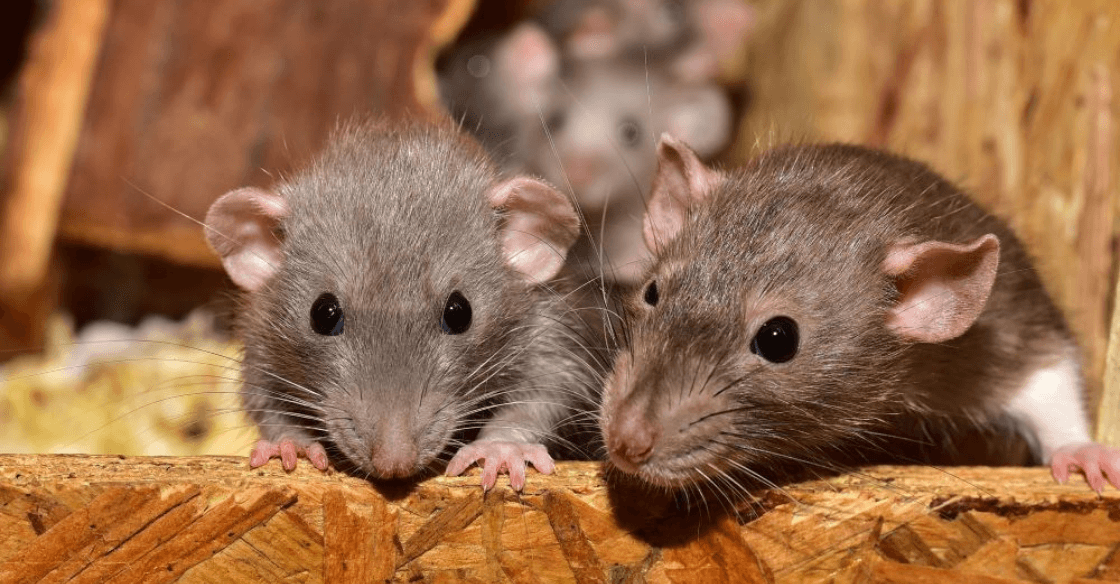
Redmond’s picturesque tree-lined neighborhoods and proximity to Lake Sammamish provide the dream Pacific Northwest backdrop. However, those same natural features that help to make the city desirable can also create ideal habitats and conditions for mice and other rodents to prosper. Rodents find everything they need to thrive within the plentiful verdure, water, and crowds of safe harbors that surround homes in Redmond.
Many homeowners find they have unwanted guests when droppings appear in cupboards, wires are chewed on, or scratching sounds can be heard in walls throughout the night. For those facing extreme rodent problems, consulting Local pest experts in Redmond you can count on can give them unique, targeted answers for Redmond landscape difficulties.
Common Entry Points Around Tree-Lined Properties
- Overhanging branches – when mature trees have branches that touch house roof lines, mice have direct highways to attics (a common issue due to Redmond’s tall evergreens.
- Tree roots and foundation gaps – Where tree roots move as the ground settles, then cracks and gaps form. These are small places where mice can easily squeeze through.
- Debris build-up – Leaves, pine needles, and branches fall along home perimeters and are where rodents run undetected through sheltered pathways
- Utility line entries – Trees growing along power and cable lines provide a freeway for rodents to enter through utility line entrances to homes
- Gutter systems – Organic material in the gutters, from the trees around the house, makes a nesting ground for rodents and a way into areas on the roof
How does Redmond’s Landscape Increase Rodents?
- Redmond Offers Abundant Water Sources
With Lake Sammamish and several streams nearby, Redmond is never short of water, which heavily influences rodent populations. With an average yearly rainfall of 37 inches, the area is moist year-round, which means rodent populations will be larger there than in drier areas.
- Dense Urban Forest Canopy
Redmond has over 40% tree canopy coverage, providing lots of cover and nesting sites for wildlife. These wooded areas offer shelter to avoid predators and remain near the food source found in residential areas.
- There Is a Seasonal Food Availability
Redmond has many different species of trees, which means plenty of nuts, berries, and seeds in the fall. This abundance of natural food allows rodent populations to increase multiple-fold prior to winter, when they move inside to your stored food.
- Mild Pacific Northwest Climate
Because of the temperate climate in Redmond, rodents stay active year-round, as opposed to true hibernation. A more extended activity period can result in more reproductive cycles and a greater population.
- Interconnected Green Corridors
Parks, trails, and green belts link natural areas in the city to residential neighborhoods and provide a safe passage for rodents to travel back and forth without being at risk to predators.
- Lake Sammamish Proximity Effects
High rodent activity around properties near the lake is attributed to a thriving ecosystem that supports a few species of wildlife. The vegetation lining the shore and the regular presence of water provide a breeding ground for several rodent species.
When the Outdoors Starts Invading Indoors
While rodents on the outside are adapting to the cooler months of Redmond, the process of rodents moving inside typically occurs. However, lakefront properties may be under this pressure year-round. The change is apparent when outdoor populations outstrip natural carrying capacity or when the weather pushes them toward a stable source of food and shelter.
Some early warning signs are droppings near exterior doorways, chewed vegetation right by your foundation, or small holes formed where utility entry points occur. When rodents gain a foothold inside, they reproduce quickly in warm, sheltered places with easy access to food.
But DIY skills can only get you so far, and that is where professional help becomes necessary. Redmond presents a unique landscape that contributes to rodent pressure, and companies devise comprehensive solutions to tackle current infestations and prevent them, such as Pointe Pest Control. They understand that managing rodent populations in tree-dense, waterfront communities requires unique strategies that consider the environmental characteristics of the Pacific Northwest.