
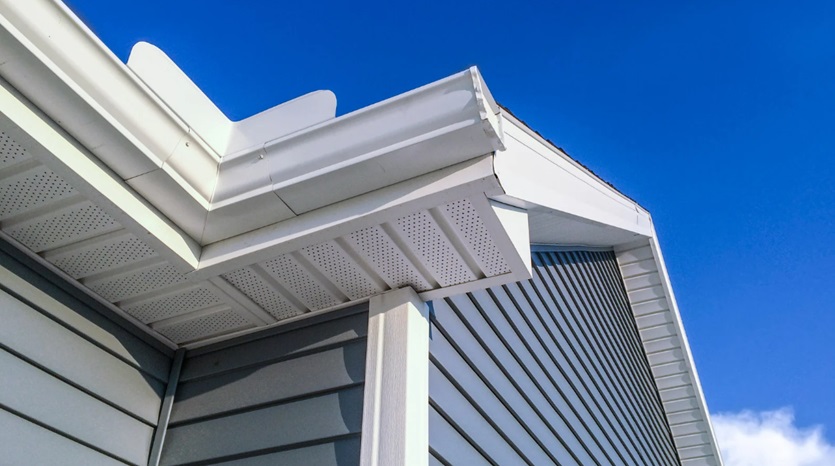
Your home’s siding does more than just enhance its curb appeal; it protects the structure from weather elements and insulates your home year-round. Over time, even the best siding materials can deteriorate, leaving your home vulnerable to damage. Recognizing the signals that it’s time for a replacement can save you from costly repairs. If you’re looking for quality siding installation in Dunwoody, professional experts can guide you through the process and ensure lasting results for your home’s exterior. Below are the signs you should be aware of for siding efficiency.
Visible Signs of Damage
Your siding’s condition says a lot about your home’s overall health. Here are key signs of wear and tear to watch out for:
Visible cracks or warped panels could mean your siding is no longer effectively shielding your home. Rot, especially in wood siding, is an indicator that water has been seeping in, causing irreversible damage. These issues are unsightly and often signal deeper problems like mold or mildew growth beneath the surface.
If you find yourself constantly painting, patching, or cleaning your siding without seeing lasting results, it might be time for a full replacement. Persistent maintenance indicates your siding has reached the end of its lifespan.
Increasing Energy Bills
If you’ve noticed an unusual spike in your energy bills, your siding might be losing its insulation properties. Damaged or aged siding can allow drafts to seep inside, forcing your HVAC system to work harder. Replacing your siding with modern, energy-efficient materials can significantly improve insulation and lower your energy costs.
The lifespan of siding depends on the material and the maintenance it receives. To learn more, analyze how often the siding needs to be replaced, which provides detailed insights into when replacement typically becomes necessary. Knowing the expected lifespan of your siding ensures you’re prepared for timely upgrades.
Structural Problems from Hidden Damage
Siding that appears intact might still harbor underlying issues. Unseen moisture infiltration can compromise the structural integrity of your home. Signs such as peeling paint on interior walls or soft spots in the siding can signal water damage.
Warped or loose siding is an inviting entry point for pests. From termites to rodents, an infestation can wreak havoc on both your siding and the interior of your home.
Benefits of Upgrading Your Siding
Investing in new siding isn’t just about aesthetics; it’s also about improving function and value. Updated siding instantly refreshes your home’s appearance. With countless styles and colors available, you can choose a look that suits your taste and adds to your property’s charm.
New siding is a top renovation for increasing a home’s resale value. Potential buyers appreciate modern, energy-efficient siding that eliminates the need for immediate replacements.
Preparing for the Installation Process
When it’s time to replace your siding, knowing what to expect can make the process smoother. If you’re curious about the steps involved, read more about what to expect during a professional siding installation for a detailed overview of preparation, installation, and finishing touches. Proper preparation ensures a seamless transition to your home’s new exterior.
Conclusion
Addressing siding issues early helps protect your home and avoid expensive damage. Whether you’re enhancing curb appeal or tackling energy inefficiencies, timely siding replacement is a worthwhile investment. Trusting skilled professionals ensures your home is not only beautiful but also well-protected for years to come.