
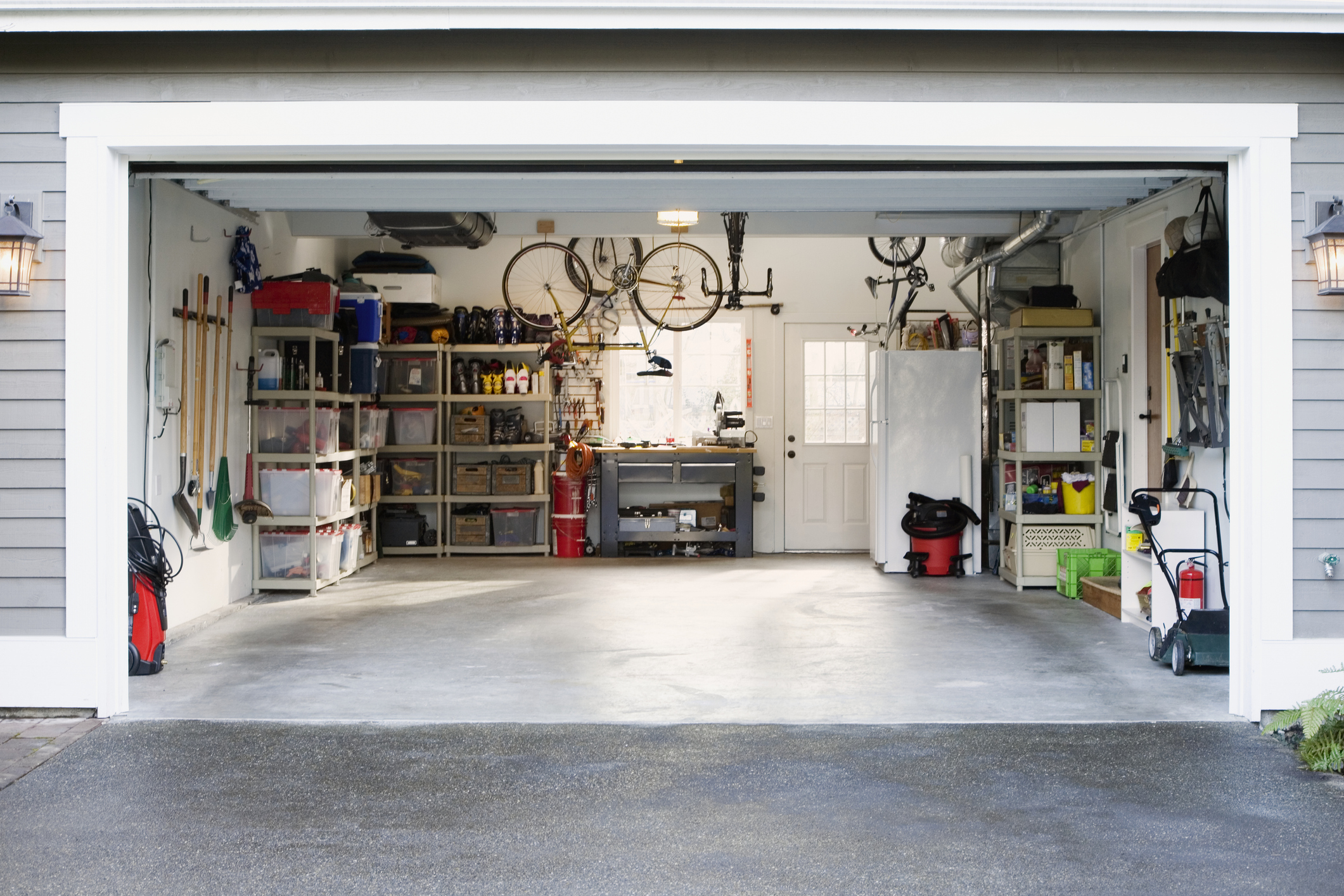
Transforming an open driveway into a fully enclosed, modern 2-car garage is one of the most valuable upgrades Austin, Texas homeowners can make. Not only does it boost property value, it adds security, increases storage space, enhances curb appeal, and provides shelter for vehicles from Austin’s intense summer heat and occasional severe storms.
But one of the most overlooked—and most important—aspects of a successful garage conversion is the electrical wiring. Whether you’re adding smart garage doors, lighting, outlets for tools, or even future-proofing for an EV charger, you need a solid plan and safe installation. And that’s where the guidance of an experienced electrician becomes essential.
If you’re planning this type of home upgrade, understanding Electrical Wiring Austin homeowners rely on for safe, code-compliant installations will help ensure your project is built to last.
Why Electrical Wiring Matters in a Garage Conversion
A garage may look simple on the surface, but the electrical system behind it is often more complex than homeowners expect. A modern garage typically requires:
- General-purpose outlets
- Dedicated tool circuits
- Lighting (indoor and outdoor)
- Smart garage door opener wiring
- Exterior GFCI outlets
- Motion sensors or security lighting
- Optional mini-split electrical connections
- Future EV charging capabilities
- Proper grounding and surge protection
- Adequate load capacity from the home’s main panel
Austin, Texas homes vary widely—from historic bungalows to new builds—so electrical needs differ depending on the age, layout, and condition of your current system. That’s why choosing Electrical Wiring Austin professionals recommend ensures your garage is both functional and safe.
Electrical Requirements for a Modern 2-Car Garage
Here’s a breakdown of the most common electrical components needed for a garage conversion.
1. New Lighting Circuits
Your new garage will require proper illumination inside and out. Most homeowners add:
- LED overhead lighting
- Task lighting for workbenches
- Exterior sconces or security lights
These need dedicated wiring that meets Austin, Texas electrical code requirements, especially with considerations like ceiling height and fixture spacing.
2. Outlets and Dedicated Circuits
Modern garages rarely function as just car storage. They often double as:
- Workshops
- Fitness spaces
- Storage rooms
- Hobby areas
So outlets are critical. Texas electrical code typically requires:
- Outlets placed every 6–12 feet
- GFCI protection
- A minimum number of dedicated circuits
If you plan to use high-draw tools like saws, air compressors, or welders, you may need special 20A or even 240V circuits.
3. Smart Garage Door Wiring
Today’s garage door openers often include:
- WiFi connectivity
- Battery backups
- Safety sensors
- Motion-activated controls
Proper wiring ensures these systems operate reliably and safely.
4. Heating & Cooling Power Supply
If you’re planning to install a mini-split HVAC system to make the garage usable year-round, it often requires:
- A dedicated 240V circuit
- Proper outdoor disconnect
- Correct wire gauge and conduit routing
These are not DIY-friendly tasks due to the high voltage involved.
5. EV Charger Preparation
Even if you don’t own an electric vehicle now, adding a garage is the perfect time to run conduit and wiring for a future Level 2 charger. Installing an EV charger later becomes much cheaper if the groundwork is in place now.
An electrician experienced with Electrical Wiring Austin homeowners need for EV readiness can help you design a setup that keeps your garage future-proof.
6. Main Electrical Panel Evaluation
One of the biggest surprises homeowners encounter is discovering that their existing panel doesn’t have enough capacity for a garage.
A licensed Austin, Texas electrician may need to:
- Add breakers
- Upgrade the panel
- Install a subpanel in the garage
- Add surge protection
This step ensures your new garage can handle the electrical load safely.
Common Electrical Mistakes in Garage Conversions (and Why They’re Dangerous)
Many homeowners attempt DIY wiring—but garages are one of the most hazardous places to make an electrical mistake because:
- Power tools draw heavy loads
- Flammable supplies are often stored nearby
- Vehicles add ignition risks
- Moisture and outdoor exposure are common
- Extension cords are frequently misused
Common DIY wiring mistakes include:
- Undersized wiring
- Overloaded circuits
- Incorrect grounding
- Missing GFCI outlets
- Loose wire connections
- Improper conduit installation
- Using interior wiring for exterior areas
- Not pulling permits
These mistakes can lead to breaker trips, fires, equipment damage, or even electrical shock.
Professionals who specialize in Electrical Wiring Austin residents trust know local code requirements and follow safety protocols that protect your home and family.
DIY vs. Licensed Electrician: Which Parts Can Homeowners Safely Do?
Homeowners often ask whether they can complete any part of the electrical work themselves. While Austin, Texas does allow limited homeowner-performed electrical work, garage conversions cross into high-risk territory where a licensed electrician is strongly recommended.
What DIY Homeowners Can Do:
- Install non-electrical components (framing, drywall, shelving)
- Paint and finish interior walls
- Install garage storage systems
- Mount non-hardwired fixtures (battery-powered or plug-in lights)
What Homeowners Should Not Do:
Anything involving live wiring or system integration, including:
- Running new electrical circuits
- Installing new outlets or switches
- Wiring garage door openers
- Installing 240V lines
- Connecting EV chargers
- Adding dedicated tool circuits
- Upgrading the main electrical panel
- Installing GFCI or AFCI protection
These require a licensed electrician in Austin, Texas for safety and legal compliance.
Local codes also require proper permitting, inspection, and documentation—something DIYers often overlook.
When it comes to Electrical Wiring Austin locals recommend, licensed electricians ensure everything is installed safely, inspected correctly, and built to handle long-term usage.
Why Hiring a Professional Electrician in Austin, Texas Is the Best Choice
Here’s what an Austin-based electrician brings to your garage conversion:
✔ Code Knowledge
Austin, Texas has specific regulations for garage wiring, including required outlet spacing, GFCI/AFCI rules, and panel capacity requirements.
✔ Safety
A garage is exposed to weather, high amperage tools, and daily wear and tear—professional-level wiring reduces the risk of fires or electrical failures.
✔ Insurance Protection
DIY wiring can void homeowner insurance coverage if an electrical fire occurs.
✔ Permits and Inspections
A licensed Austin electrician pulls the correct permits and schedules inspections on your behalf.
✔ Future-Proofing
Professionals can help you plan for:
- EV charging
- Solar integration
- Additional circuits
- Smart technology upgrades
✔ Resale Value
Buyers in Austin, Texas want properly permitted garage conversions. DIY work can reduce property value or fail inspection.
Choosing a professional trained in Electrical Wiring Austin homeowners rely on ensures your project is safe, legal, and long-lasting.
Final Thoughts: Build Your 2-Car Garage the Right Way
Turning your driveway into a modern 2-car garage is one of the smartest home upgrades an Austin, Texas homeowner can make—offering comfort, safety, functionality, and increased property value.
But without proper electrical planning and professional installation, the project can introduce serious safety risks and costly complications. From lighting and outlets to smart garage systems, HVAC power, and future EV charger readiness, electrical work plays a central role in the success of your garage conversion.
While DIY can save money in some parts of the build, the electrical system is one area where cutting corners simply isn’t worth the risk. For this type of work, partnering with an expert in Electrical Wiring Austin residents know and trust ensures your new garage is safe, code-compliant, and ready for decades of use.