
Key Takeaways
- Cleaning outcomes depend on planning, not just effort
- Offices have different needs from residential spaces
- Hourly cleaning works best with clear priorities
- Preparation prevents wasted time and uneven results
Introduction
Engaging a commercial office cleaning service is often treated as a routine operational task. Yet many organisations only realise their complexity after problems appear, or cleaning that looks adequate but does not last. The same applies to hourly cleaning services, which offer flexibility to be effective. Before any cleaning starts, understanding what truly shapes results helps businesses avoid inefficiencies and build a healthier, more productive workspace from the outset.
Clarify What “Clean” Means in a Working Office
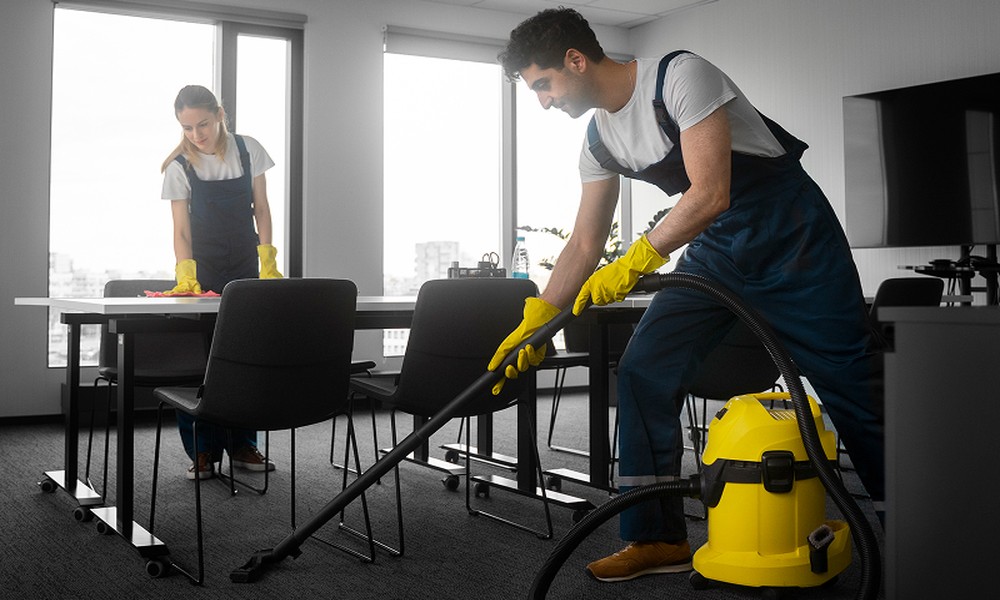
Offices are cleaned to support people, processes, and performance. A commercial office cleaning service must balance visual presentation alongside hygiene, safety, and daily usability. High-touch points such as workstations, shared equipment, and meeting rooms often matter more than rarely used spaces. Targeted cleaning of frequently used areas has a greater impact on employee wellbeing than uniform surface cleaning.
The Difference Between Fixed and Flexible Cleaning
One of the most common early decisions is whether to rely on a fixed schedule or hourly cleaning services. Hourly cleaning services adapt to changing needs, such as events, peak periods, or partial office use. However, flexibility without direction can lead to inconsistency. Before starting, identify which tasks truly benefit from hourly allocation and which require routine attention. Flexibility works best when paired with clear task lists rather than open-ended instructions.
Assess Office Usage Patterns Before Booking
Cleaning empty areas too often wastes resources. Neglecting busy zones creates hygiene gaps. Hourly cleaning services are particularly effective when aligned with real usage data, such as occupancy levels or peak meeting times. Cleaning aligned with actual usage improves efficiency and reduces unnecessary labour.
Plan Around Business Operations
Before starting any arrangement, businesses must consider operating hours, noise sensitivity, and security protocols. A commercial office cleaning service that cleans during off-hours may suit some organisations. Others prefer daytime support through hourly cleaning services. Poorly timed cleaning can negatively affect focus and satisfaction, even when the cleaning itself is thorough.
Identify High-Risk Areas Early
Pantry spaces, washrooms, and shared equipment accumulate bacteria faster than individual desks. A commercial office cleaning service should prioritise these zones. Before starting, mapping high-risk areas ensures cleaning resources are allocated effectively. Hourly cleaning services can then be directed towards these zones during busy periods.
Set Clear Boundaries for Hourly Cleaning
Before starting hourly cleaning services, organisations should define what success looks like for each hour booked. This may include specific rooms, tasks, or outcomes. Clearly scoped hourly work produces better results than loosely defined arrangements, even when total hours are the same.
Consider Long-Term Maintenance, Not Just Immediate Needs
Many businesses engage cleaning services reactively after an inspection, event, or complaint. A more effective approach considers long-term maintenance. A commercial office cleaning service should help establish a baseline that is easier to maintain over time. Hourly cleaning services then act as support rather than emergency fixes. Preventive cleaning reduces overall costs and extends the lifespan of office furnishings and finishes.
Prepare the Workspace for Cleaning
Excess clutter, unsecured documents, or obstructed areas slow down progress and reduce results. Before the first session, businesses should establish basic protocols for desk organisation and access. A commercial office cleaning service can only clean what is reachable. Preparation significantly improves service outcomes across facility-related tasks.
Clarifying the Cost-Outcome Relationship
Cost decisions often focus on hourly rates rather than outcomes. Before starting, assess value in terms of coverage, consistency, and impact. Hourly cleaning services may appear cost-effective, but can become inefficient without direction. A commercial office cleaning service structured around outcomes rather than hours often delivers more predictable results. Outcome-based service planning reduces hidden costs.
Build Communication Into the Process
New teams, layout changes, or seasonal factors all influence requirements. Before starting, establishing a communication channel ensures adjustments are made smoothly. A commercial office cleaning service benefits from feedback loops. Hourly cleaning services rely on ongoing prioritisation.
Why “Before You Start” Determines Success
Many cleaning issues stem from poor preparation. Decisions made before the first session shape every outcome that follows. A commercial office cleaning service works best when integrated into office operations rather than added on top. Hourly cleaning services deliver flexibility only when guided by clear intent. Understanding this upfront turns cleaning from a reactive task into a strategic support function.
Conclusion
Office cleaning is an ongoing process that influences health, productivity, and workplace perception. By thinking carefully before engaging a commercial office cleaning service or scheduling hourly cleaning services, businesses set themselves up for consistent, meaningful results. Preparation, clarity, and alignment transform cleaning from a background task into a foundation for better work environments.
If you are planning office cleaning and want a structured approach from the start, contact G-Journey today to learn more.