
 By
By 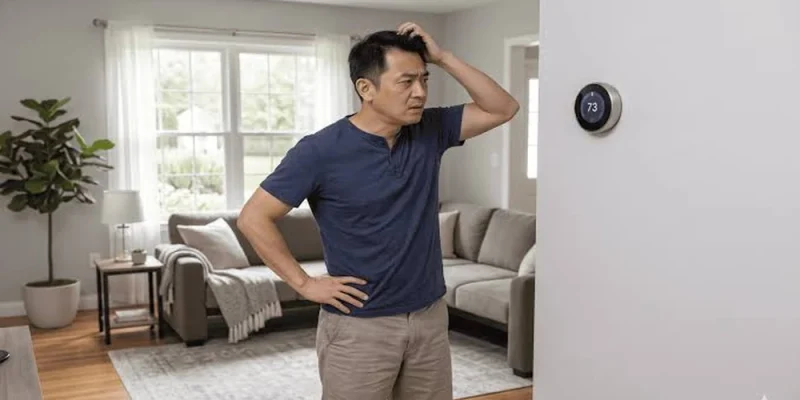
Most people assume that adjusting the thermostat is the quickest way to improve indoor comfort. While temperature settings certainly matter, they’re only one piece of a much larger puzzle. A comfortable home depends on how well your entire heating and cooling system performs, the quality of your indoor air, insulation, humidity levels, and regular maintenance.
If you’re experiencing uneven temperatures or rising energy bills, professional services such as HVAC repair Newtown, PA can help identify issues that go beyond thermostat settings. Understanding the factors that influence indoor comfort can help homeowners make smarter decisions that improve both comfort and efficiency.
Your HVAC system works as a team.
A thermostat simply tells your HVAC system when to heat or cool your home. It doesn’t control how effectively that conditioned air reaches every room.
Your heating and cooling system includes multiple components working together, including:
- The furnace or heat pump
- Air conditioner
- Air ducts
- Air filter
- Blower motor
- Vents and registers
When one part isn’t performing properly, the entire system can struggle. Even if your thermostat is set to the perfect temperature, clogged filters, leaking ducts, or worn-out equipment can leave parts of your home feeling too warm or too cold.
Airflow plays a bigger role than many people realize
Good airflow is essential for maintaining consistent temperatures throughout your home. Restricted airflow forces your HVAC system to work harder while delivering less comfort.
Common causes of poor airflow include:
- Dirty air filters
- Closed or blocked vents
- Furniture covering registers
- Leaky ductwork
- Aging blower motors
Replacing air filters regularly and keeping vents unobstructed are simple maintenance tasks that can make a noticeable difference in both comfort and system efficiency.
Humidity Has a Major Impact on Comfort
Temperature isn’t the only factor your body notices. Humidity levels significantly affect how warm or cool a room feels.
During summer, excess humidity can make indoor spaces feel sticky even when the thermostat reads a comfortable temperature. In winter, air that becomes too dry may lead to dry skin, irritated sinuses, and static electricity.
Most experts recommend maintaining indoor humidity between 30% and 50% for optimal comfort. Properly functioning HVAC systems often help regulate humidity, but some homes benefit from adding a humidifier or dehumidifier.
Insulation Keeps Conditioned Air Where It Belongs
Even the most efficient HVAC system can’t overcome poor insulation.
If your attic, walls, or crawl spaces allow heat to escape during winter or enter during summer, your HVAC equipment must run longer to maintain the desired temperature.
Signs of inadequate insulation include:
- Rooms that are consistently warmer or colder than others
- Drafts near windows and doors
- High utility bills
- HVAC systems that run almost continuously
Improving insulation and sealing air leaks can increase comfort while reducing energy consumption throughout the year.
Indoor Air Quality Affects Everyday Living
Comfort isn’t just about temperature. The quality of the air you breathe also matters.
Dust, pollen, pet dander, mold spores, and other airborne particles circulate through your HVAC system every day. Poor indoor air quality can contribute to unpleasant odors and increased allergy symptoms for some household members.
Maintaining healthy indoor air involves several simple practices:
- Replace air filters on schedule.
- Keep ducts clean when necessary.
- Control indoor humidity.
- Ensure proper ventilation.
- Schedule routine HVAC maintenance.
These steps help create a healthier and more comfortable living environment.
Regular Maintenance Prevents Small Problems From Becoming Bigger Ones
Many homeowners don’t think about their HVAC system until something stops working. However, preventive maintenance is one of the best ways to maintain reliable indoor comfort.
Routine inspections allow technicians to identify worn components before they fail. Maintenance also helps improve system efficiency and extends equipment lifespan.
A typical professional maintenance visit may include:
- Inspecting electrical connections
- Cleaning system components
- Checking refrigerant levels where applicable
- Testing thermostat operation
- Examining airflow and duct performance
- Replacing or recommending filter changes
Keeping up with annual service often reduces the likelihood of unexpected breakdowns during extreme weather.
Smart Thermostats Are Helpful-but They’re Not Magic
Smart thermostats offer convenient scheduling, energy-saving features, and remote control through mobile apps. They can certainly improve efficiency when used correctly.
However, even the most advanced thermostat cannot compensate for mechanical issues, poor insulation, dirty filters, or failing HVAC equipment.
If comfort problems persist after adjusting thermostat settings, it’s worth investigating the rest of the system instead of assuming the thermostat is at fault.
Common Mistakes That Reduce Indoor Comfort
Many homeowners unintentionally make small mistakes that affect HVAC performance.
Some of the most common include the following:
Avoiding these habits helps your system operate more efficiently while maintaining more consistent comfort throughout your home.
Conclusion
A thermostat is an important part of your home’s comfort system, but it’s far from the only factor that matters. Airflow, humidity, insulation, indoor air quality, and routine HVAC maintenance all work together to create a comfortable indoor environment.
By looking beyond the thermostat and caring for your entire HVAC system, you can enjoy more consistent temperatures, better energy efficiency, and improved indoor air quality throughout every season. Small maintenance steps today often prevent larger comfort problems tomorrow.

Comments