
 By
By 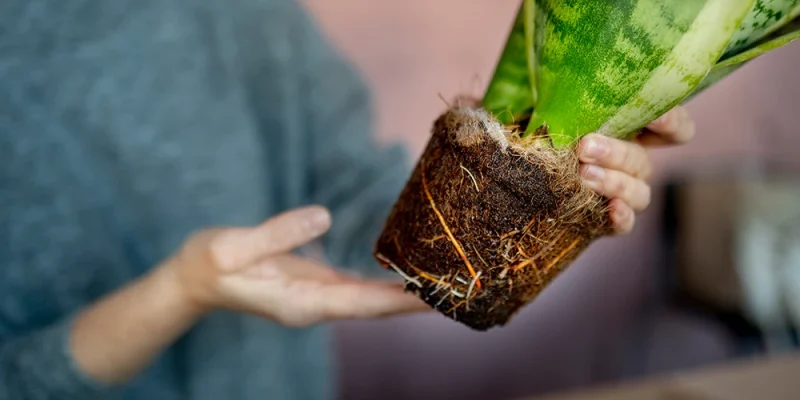
Key Takeaways
- Overwatering and underwatering can produce similar symptoms, making accurate diagnosis important before changing a watering routine.
- Leaf colour, soil moisture, root condition, and the speed of symptom development provide useful clues.
- Watering schedules should be adjusted according to plant species, pot size, soil type, and environmental conditions.
- Anyone looking to buy plants online in Singapore should understand common watering mistakes to support healthier long-term plant care.
Introduction
One of the most common reasons indoor plants struggle is incorrect watering. Many plant owners assume that any sign of wilting or yellowing leaves means a plant needs more water, but this is not always the case. Overwatering and underwatering can produce similar visual symptoms while requiring completely different solutions. Misdiagnosing the problem often leads to further stress and may eventually damage the plant beyond recovery. Whether you are new to indoor gardening or planning to buy plants in Singapore, understanding the differences between these two conditions can help you respond appropriately and maintain healthier plants.
Leaf Appearance Can Look Similar but Has Different Causes
Leaf changes are usually the first signs that something is wrong, yet they should not be used as the only indicator. Plants affected by underwatering often develop dry, crispy leaves that curl at the edges before dropping. The leaves may feel brittle, and the entire plant can appear limp because there is insufficient water to maintain cell pressure. These symptoms usually become more noticeable after the soil has remained dry for an extended period.
Overwatered plants, however, often develop soft, yellow leaves that may fall while still relatively fresh. Instead of becoming dry, the leaves frequently feel weak or mushy because the roots are unable to function properly in saturated soil. Excess moisture limits oxygen around the root system, reducing the plant’s ability to absorb water and nutrients. Although both conditions can result in drooping foliage, the texture and colour of the leaves usually provide useful clues.
Soil Moisture Offers One of the Most Reliable Indicators
Inspecting the soil is often more informative than relying on the appearance of the leaves alone. Underwatered plants typically have dry soil that pulls away from the sides of the pot. The growing medium may feel light, dusty, and compacted, while water poured onto the surface may initially run straight through because the soil has become excessively dry.
Overwatered plants usually have consistently damp or waterlogged soil. The surface may remain wet several days after watering, and the pot often feels noticeably heavier than normal. Poor drainage or pots without adequate drainage holes can make this problem worse by trapping excess moisture around the roots. Rather than watering according to a fixed schedule, checking soil moisture before each watering is generally a more reliable approach.
Root Health Reveals the Underlying Problem
Examining the roots provides one of the clearest ways to distinguish between overwatering and underwatering, particularly when symptoms persist despite adjustments to watering habits. Healthy roots are generally firm, light-coloured, and spread evenly throughout the growing medium.
Plants suffering from underwatering may have dry but otherwise healthy roots if the condition has not persisted for too long. Severe dehydration, however, can cause roots to shrink, become brittle, and lose their ability to absorb water efficiently.
In contrast, overwatered plants frequently develop root rot. Damaged roots become dark, soft, and may produce an unpleasant smell due to fungal or bacterial activity. Once root rot becomes widespread, simply reducing watering may not fully resolve the issue, as damaged roots often need to be removed before the plant can recover.
Environmental Factors Influence Water Requirements
Watering requirements are influenced by more than just the plant species. Temperature, humidity, light exposure, airflow, container size, and soil composition all affect how quickly moisture is lost. A plant placed near a bright window may require water much more frequently than the same species kept in a shaded room. Likewise, porous terracotta pots dry faster than plastic containers, while coarse potting mixes drain differently from dense soils.
These variables explain why copying another person’s watering schedule may not produce the same results. Individuals who buy plants online in Singapore or purchase plants from local nurseries should adapt watering practices to the specific conditions inside their own homes instead of following a fixed routine.
Building Better Watering Habits
Successful watering depends on observation rather than routine. Checking soil moisture with a finger or moisture meter before watering helps prevent unnecessary watering. Monitoring how quickly the soil dries after each watering also provides valuable information about whether drainage, lighting, or pot selection should be adjusted. Learning how individual plant species respond over time allows watering decisions to become more accurate and consistent.
Conclusion
Although overwatering and underwatering may initially appear similar, careful observation of leaf condition, soil moisture, root health, and environmental factors makes it easier to distinguish between the two. Correctly identifying the cause of plant stress allows appropriate action to be taken before long-term damage occurs. Developing this understanding helps indoor plants remain healthier and enables owners to provide care that matches each plant’s specific growing conditions.
Visit Arbour and choose plant varieties suited to your indoor environment today.

Comments