
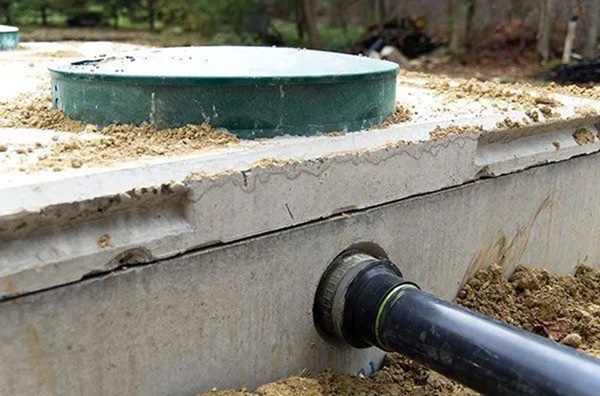
A septic system is an essential part of many homes, especially in areas without a city sewage connection. It helps treat and dispose of household wastewater safely. If your septic system is not well maintained, it can cause serious problems, including bad odors, clogged drains, and expensive repairs.
Fortunately, with regular care and attention, you can keep your septic system working efficiently for many years. In this article, we will share five practical tips that anyone can follow to maintain their septic system and avoid costly issues.
1. Schedule Regular Pumping
One of the most important things you can do to maintain your septic system is to have it pumped regularly. Over time, solid waste builds up in the septic tank, and if it is not removed, it can overflow into the drain field, causing blockages.
Most experts recommend pumping your septic tank every three to five years, but this may vary depending on the size of your tank and how many people live in your home. Regular pumping prevents sludge and scum from building up and keeps your system running smoothly.
2. Use Water Wisely
The amount of water you use in your home affects how well your septic system works. Too much water can overload the tank and drain field, while too little water can prevent proper breakdown of waste.
Simple actions like fixing leaks, using low-flow faucets and showerheads, and spreading out laundry loads over the week can make a big difference. Using water wisely reduces stress on the septic system and helps it function efficiently for a longer time.
3. Avoid Flushing Harmful Items
Your septic system is designed to handle human waste and toilet paper only. Flushing items like wipes, sanitary products, paper towels, or chemicals can clog pipes and damage the bacteria that break down waste in the tank.
Even small amounts of chemicals, such as bleach or drain cleaners, can harm the natural bacteria in the system. By being careful about what goes down the drain, you can protect your septic system and avoid costly repairs.
4. Protect the Drain Field
The drain field is a critical part of your septic system where treated water is absorbed into the soil. You should never drive vehicles or park heavy equipment over the drain field because it can compact the soil and damage pipes.
Planting only grass over the drain field is best, as deep roots from trees or shrubs can break pipes. Keeping the drain field protected ensures the water from your septic tank is absorbed properly and prevents failures that can be expensive to fix.
5. Monitor and Maintain Regularly
Even with good habits, it is important to check your septic system regularly. Look for warning signs such as slow drains, gurgling sounds in pipes, or wet areas in your yard. If you notice any problems, call a professional immediately to inspect your system.
Regular monitoring helps catch small issues before they become major problems, saving you money and preventing damage to your home and yard.
Conclusion
Maintaining your septic system may seem simple, but it requires consistent care and attention. Regular pumping, careful water use, avoiding harmful items, protecting the drain field, and monitoring the system are all practical steps that make a big difference.
By following these tips, you can keep your septic system working efficiently, prevent costly repairs, and ensure your home remains safe and comfortable. Good septic care is an investment in your home’s health and your peace of mind.