
 By
By 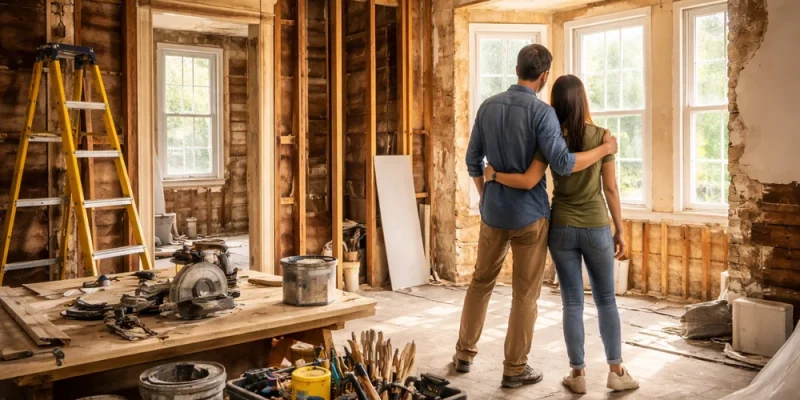
Key Takeaways
Residential restoration services help homeowners recover from unexpected damage caused by water, fire, storms, and other property emergencies.
Emergency mitigation focuses on stopping damage from getting worse through quick response, water removal, board-up services, and other immediate measures.
Water and storm damage restoration can address moisture, structural concerns, damaged materials, and other problems that develop after severe weather or flooding.
Fire and smoke restoration goes beyond cleaning visible damage by addressing smoke odors, soot, damaged materials, and affected areas of the home.
Reconstruction services can restore damaged parts of a property while also giving homeowners opportunities to improve layouts, materials, and long-term durability.
Roof repair and restoration help protect the home from weather exposure while addressing leaks, damaged shingles, and other roofing problems.
Emergency Mitigation Services
Acting Quickly to Limit Further Damage
When a residential property experiences unexpected damage, the first priority is preventing the situation from becoming worse. Emergency mitigation services are designed to address immediate problems and stabilize affected areas before more extensive restoration begins.
Water intrusion, fire damage, severe weather, and other emergencies can affect a property quickly. Standing water may spread into flooring and walls, while openings created by a storm can expose the interior to additional rain and debris.
Professionals can respond by using appropriate equipment and procedures to secure the property. Depending on the situation, this may include water extraction, temporary board-up services, debris removal, moisture detection, or temporary protection for damaged areas.
Speed matters because delays can allow damage to spread. Addressing an emergency early can help homeowners move more efficiently toward the next stages of restoration.
Why Professional Emergency Response Matters
Handling major property damage without the right equipment or experience can create additional complications. Restoration professionals can assess the affected areas and determine which issues require immediate attention.
A thorough assessment can also help establish a restoration plan. Documentation of the damage may be useful when homeowners communicate with their insurance providers, while professional evaluations can help identify problems that may not be obvious during an initial inspection.
The objective is to stabilize the home, reduce additional damage, and prepare the property for comprehensive restoration.
Water and Storm Damage Restoration
Restoring Homes After Flooding and Severe Weather
Water and storm damage can affect multiple parts of a home at once. Heavy rainfall, flooding, roof damage, burst pipes, and other events can introduce moisture into floors, walls, ceilings, and personal belongings.
The restoration process generally begins with an inspection to determine where water has entered and which materials have been affected. Standing water may need to be removed, followed by drying and moisture monitoring.
Professionals may use extraction equipment, air-moving equipment, dehumidifiers, and moisture detection tools depending on the circumstances.
The goal is to address both visible and hidden moisture. Water that remains inside building materials can contribute to additional deterioration if it is not properly identified and addressed.
Steps Involved in Storm Recovery
Storm restoration can involve several stages depending on the extent of the damage. Temporary board-up work may be necessary when windows, doors, or exterior sections of the home have been damaged.
Water extraction and drying may follow when flooding or leaks have affected the property. Damaged drywall, flooring, insulation, or other materials may need to be repaired or replaced.
Once the affected areas have been addressed, the property can undergo a final inspection to confirm that the necessary restoration work has been completed.
For homeowners dealing with severe weather damage, choosing experienced residential restoration services can help bring structure and organization to an otherwise stressful recovery process.
Fire and Smoke Damage Restoration
Addressing More Than Visible Fire Damage
Fire damage can extend far beyond the areas directly affected by flames. Smoke and soot can spread throughout a home, affecting walls, ceilings, furniture, flooring, and personal belongings.
Fire and smoke restoration focuses on cleaning and restoring affected areas while identifying materials that may need replacement.
Professionals may assess the extent of fire damage before determining which parts of the property can be cleaned, repaired, or reconstructed. Smoke odors may also require specialized cleaning and deodorization techniques.
Restoring the Home After a Fire
The restoration process can include debris removal, cleaning, odor treatment, repairs, and reconstruction. The specific services required depend on the severity and location of the fire.
Water used during firefighting efforts can also create additional restoration needs. As a result, a fire-damaged property may require attention to both fire and water-related issues.
Careful assessment is important because some damage may not be immediately visible. A professional restoration team can help homeowners understand which areas require attention and develop a practical plan for restoring the property.
Residential Reconstruction Services
Rebuilding Damaged Areas of the Home
Some properties require more than cleaning and repairs after a major disaster. When structural components or significant portions of the home have been damaged, reconstruction may become necessary.
Reconstruction services can involve rebuilding walls, ceilings, flooring, rooms, roofing systems, and other parts of the property. The scope depends on the original damage and the condition of the existing structure.
This stage can also give homeowners an opportunity to consider improvements. Updated materials, more practical layouts, and energy-efficient components may be incorporated into the rebuilding process when appropriate.
Focusing on Durability and Functionality
A successful reconstruction project should address both the appearance and functionality of the restored space. Material selection plays an important role because different products provide different levels of durability, maintenance requirements, and performance.
Professionals can also help homeowners understand structural considerations and applicable building requirements.
The objective is not simply to make the damaged area look new again. A carefully planned reconstruction can restore the property’s functionality while creating a stronger and more practical living environment.
Roof Repair and Restoration
Protecting the Home From Further Damage
The roof is one of the home’s primary defenses against rain, wind, and other weather conditions. When roofing materials are damaged, even relatively small problems can allow water to enter the property.
Roof repair and restoration services can address problems such as missing or damaged shingles, leaks, flashing issues, and other signs of deterioration.
Identifying roofing problems early can help homeowners address them before they contribute to more extensive interior damage.
Recognizing When Roof Restoration Is Needed
Homeowners should pay attention to visible signs that a roof may require professional attention. Damaged or missing shingles, water stains on ceilings, leaks, and areas of visible deterioration can all justify an inspection.
The age and overall condition of the roofing system should also be considered. Regular inspections can help identify issues before they become more difficult and expensive to address.
A properly maintained roof can contribute to the overall protection and condition of the home. When combined with other restoration services, professional roof repair can play an important role in bringing a damaged property back to a safe and functional condition.
FAQ
What are the most common residential restoration services?
Common services include emergency mitigation, water and storm damage restoration, fire and smoke restoration, reconstruction, and roof repair or restoration. The services required depend on the type and severity of property damage.
Why is emergency mitigation important?
Emergency mitigation focuses on limiting additional damage after a property emergency. Quick water removal, temporary protection, and other immediate measures can help stabilize the property before permanent restoration begins.
How does water damage restoration work?
Water restoration typically begins with an assessment of the affected areas. Depending on the situation, professionals may remove standing water, dry affected materials, monitor moisture levels, and repair or replace damaged components.
Can restoration services address storm damage?
Yes. Storm restoration may include emergency board-up work, water extraction, drying, roof repairs, structural repairs, debris removal, and reconstruction depending on the extent of the damage.
What happens during fire and smoke restoration?
Fire and smoke restoration may involve damage assessment, debris removal, cleaning, soot treatment, odor removal, repairs, and reconstruction. Water damage caused by firefighting efforts may also need to be addressed.
When is reconstruction necessary?
Reconstruction may be necessary when significant portions of a home have been structurally or materially damaged. The process can involve rebuilding walls, ceilings, flooring, rooms, roofing systems, or other components.
How can homeowners identify roof damage?
Common warning signs include missing or damaged shingles, visible deterioration, water stains, leaks, and problems around flashing or roof penetrations. A professional inspection can help determine the extent of the issue.
How long does residential restoration take?
The timeline varies based on the type, location, and severity of the damage. Minor repairs may take a relatively short time, while extensive water, fire, storm, or structural damage can require weeks or longer.
Can restoration professionals help with insurance claims?
Some restoration companies can assist with documenting property damage and providing information needed for an insurance claim. Homeowners should review their individual policy and communicate directly with their insurance provider about coverage.
How can homeowners prepare for a restoration project?
Homeowners can document visible damage, secure important belongings when it is safe to do so, communicate their concerns to restoration professionals, and maintain clear communication throughout the project. Professional assessments can help establish the appropriate restoration plan.
Useful Resources
- American Red Cross – Offers disaster preparedness and recovery resources.
- Federal Emergency Management Agency (FEMA) – Provides information on disaster response and recovery.
- National Disaster Recovery Framework – Resource for strategies to support disaster recovery.
- International Association of Electrical Inspectors – Information on safe construction and rebuilding after disasters.
- American Plywood Association – Resources about building materials and design considerations for resilience.
- National Association of Home Builders – Educational materials on home building and renovation, including post-disaster rebuilding.
- Mold Remediation Association – Information and guidelines for mold remediation practices.
- Alliance of Insurance Agents and Brokers – Offers educational resources on insurance and recovery processes.
- Homeowner Resources from NAHB – Guides and facts for homeowners on various recovery and maintenance topics.


Comments