
 By
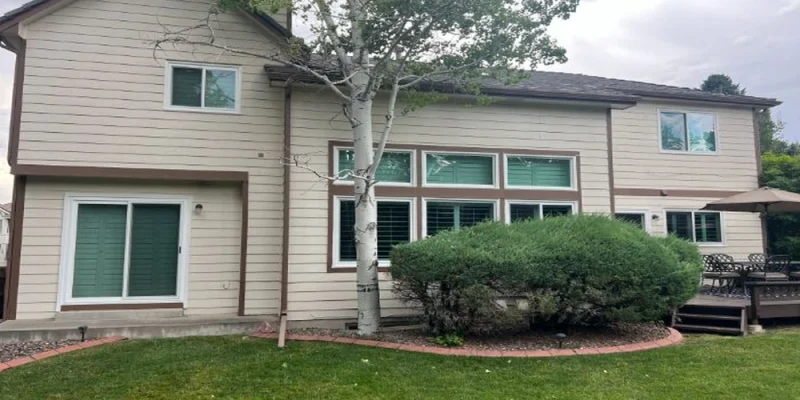
Homeowners often live with aging windows longer than they realize. A lock that requires extra effort, a sash that no longer moves smoothly, or a room that feels noticeably different during certain weather can gradually become part of the household routine. Eventually, these small inconveniences may raise a larger question about whether repairing individual problems still makes sense. Window replacement can provide an opportunity to address aging components while reconsidering how each opening contributes to the home’s comfort, appearance, and everyday function.
Homeowners researching window replacement in Denver can begin by evaluating their current windows rather than immediately choosing new styles. Which units are difficult to operate? Where are drafts most noticeable? Are certain frames visibly deteriorating? Understanding the specific problems behind the project can help homeowners prioritize improvements and choose replacements based on practical needs instead of appearance alone.
Start With the Windows You Avoid Using
A surprisingly useful way to evaluate older windows is to consider which ones rarely get opened.
Sometimes homeowners simply do not need ventilation in a particular location. In other cases, the window has become inconvenient. It may stick, feel heavy, refuse to remain open, or have hardware that no longer operates smoothly.
Over time, people adapt by leaving it closed.
These unused windows can reveal where functionality has gradually declined. Homeowners can test accessible windows throughout the house and note differences in operation.
A replacement project provides an opportunity to restore openings that can once again become useful for ventilation instead of functioning primarily as fixed sources of daylight.
Older Windows May Affect How Rooms Are Arranged
Homeowners do not always connect furniture placement with window condition.
A desk might have been moved away from a drafty area. Curtains may remain closed because afternoon sunlight creates uncomfortable glare. A chair may block a window that is no longer opened because the hardware has become difficult to operate.
These adaptations can gradually influence how a room is used.
During window replacement, homeowners can reconsider whether the new windows might allow them to organize spaces differently. Improved operation could make ventilation more convenient, while different glass or window configurations may better suit how the room functions.
Thinking about furniture and daily activities gives the project a more practical starting point.
Some Windows Work Harder Than Others
Windows around the same house do not necessarily experience identical conditions.
One side may receive stronger sunlight for several hours each day. Another could face prevailing weather more directly. Windows beneath deep roof overhangs may receive greater protection than openings with little exterior shelter.
Age-related wear may therefore appear differently throughout the property.
Homeowners can look for variations in frame condition, finishes, seals, hardware, and operation rather than assuming every window has aged at exactly the same rate.
This can also help determine whether replacement should happen throughout the house or be completed in phases.
Phased Replacement Can Prioritize the Biggest Concerns
Replacing every window at once is not the only approach.
Homeowners may decide to begin with units showing significant operational problems or deterioration. Another strategy is to prioritize the rooms used most frequently, such as bedrooms, kitchens, and living areas.
Phasing can spread a larger improvement across multiple projects.
However, homeowners who expect to continue replacing windows later should think ahead about consistency. Frame appearance, grid patterns, operating styles, and other visible features can influence whether different phases look coordinated once the project is complete.
Planning the broader design before beginning the first phase can help create a more intentional final result.
Glass Area Can Influence the Character of a Room
Windows occupy substantial visual space in many interiors.
Frame profiles and glass dimensions can influence whether a room feels visually open or divided. Large, uninterrupted views may work well in spaces overlooking attractive outdoor areas, while traditional grid patterns may better complement certain architectural styles.
Homeowners considering window replacement in Denver can stand inside each room and look at the existing opening from several locations.
The view from a sofa may be different from the view while standing at a kitchen counter. In a bedroom, privacy may be more important than maximizing the outdoor view.
Evaluating windows from inside the actual space can provide a better perspective than selecting products only from samples or photographs.
Window Operation Should Match the Location
Different window styles operate in different ways, and the surrounding room can affect how convenient that operation feels.
A window above a countertop may need to be reached from a distance. An opening near a walkway should not create unnecessary interference. Furniture can also make certain operating mechanisms harder to access.
Homeowners should imagine opening, closing, and locking each new window during normal daily routines.
Ease of cleaning may be another consideration, particularly for windows on upper floors or in locations that are difficult to reach from outside.
A design that works well in one room may therefore be less practical in another.
Installation Begins With the Existing Opening
The replacement window itself is only one component of the finished project.
The existing opening must be measured and evaluated so the new unit can be installed correctly. When older windows are removed, previously hidden areas may also become visible.
If deterioration or other concerns are discovered around an opening, those conditions may require attention before installation is completed.
This is why homeowners should understand what is included in the installation process and how unexpected conditions will be handled.
Proper fitting helps support smooth operation and ensures the replacement is integrated appropriately with the surrounding structure.
Exterior Appearance Can Change More Than Expected
Replacing multiple windows can noticeably alter the exterior even when the dimensions of the openings remain unchanged.
Frame thickness, colors, grids, and trim relationships can affect the visual balance of the facade. These details become particularly noticeable when several windows are grouped together.
A window replacement project can therefore be approached as both a functional and architectural improvement.
Homeowners may want to compare new window designs with existing doors, siding, masonry, roofing, and other exterior features. If additional renovations are planned, considering those future changes can help avoid choosing windows that later feel disconnected from the updated design.
Maintenance Should Fit the Homeowner’s Routine
New windows will require some level of ongoing care.
Glass needs cleaning, tracks and hardware may need occasional attention, and screens should be inspected for damage. Different materials and designs can also have their own maintenance considerations.
Before making a selection, homeowners can ask what routine care is recommended and how easily components can be accessed.
This is particularly useful for households with windows in high or difficult locations.
Choosing a design that homeowners can realistically maintain may be more valuable over time than selecting features they are unlikely to use.
Replace Windows With a Clear Purpose
A successful project does not need to begin with the goal of making every window completely different. In many homes, the most useful improvements come from identifying what no longer works and selecting replacements that solve those specific problems.
Homeowners can evaluate operation, room layout, exposure, views, maintenance, exterior architecture, and the condition of individual openings before deciding how to proceed. Approaching window replacement this way can help ensure the project improves everyday use rather than simply changing the appearance of the house.
For homeowners planning window replacement, Conservation Construction can evaluate existing windows and discuss options based on the property’s needs and design. A carefully planned project can replace the small inconveniences homeowners have learned to tolerate with windows that feel like a more natural and functional part of the home.




Comments