
 By
By 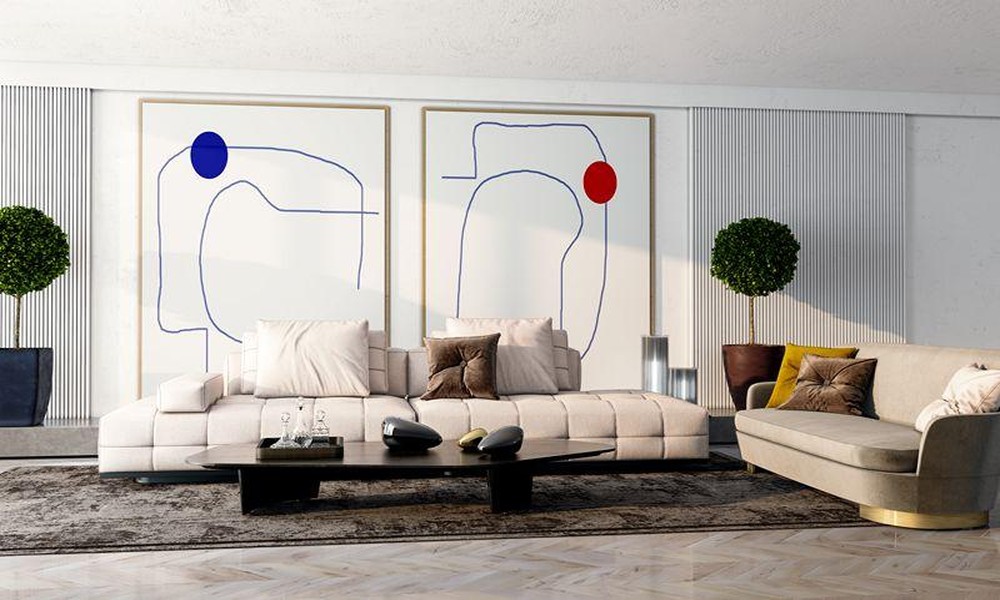
Key Takeaways
- Abstract shapes soften rigid layouts, helping interiors feel calmer without sacrificing structure or usability.
- Curves and organic forms guide movement naturally, improving flow across rooms with heavy straight lines.
- Thoughtful placement of shapes adds depth and interest while keeping spaces visually controlled.
- Balancing curves with clean lines creates interiors that feel composed, comfortable, and easy to live in.
Introduction
Straight lines everywhere can make interiors feel boxed in after a while. Sharp corners meet neatly aligned cabinets, while ceilings sit within tidy grids that leave little visual movement. Introducing abstract shapes gives interiors room to breathe, adding movement without visual chaos. Clean geometry appears frequently within home interior design in Singapore, which makes curved and irregular forms especially useful when balance starts to feel rigid.
Opting for abstract shapes avoids the need for bold gestures or dramatic features. Curves, soft edges, and free-flowing outlines add contrast while keeping spaces calm and practical. Used with intention, abstract forms support daily living instead of stealing attention.
Breaking the Grid With Abstract Forms
Moving away from strict straight lines allows interiors to feel less controlled and noticeably more comfortable. Abstract shapes work best when placement supports how a space functions throughout the day. Form often carries visual interest without relying on decoration in modern luxury interior design in Singapore.
Softening Walls and Built-In Features
Walls tend to shape first impressions, making them a natural place to introduce abstract forms. Curved wall panels, rounded niches, and arched recesses soften long stretches of flat surfaces. Abstract outlines on feature walls reduce visual stiffness without calling for loud colours or busy patterns.
Layering shapes through subtle mouldings or textured finishes adds depth while keeping the look composed. Curves positioned around eye level guide attention naturally across the space, helping rooms feel more open. In tighter layouts, rounded built-ins reduce sharp corners, improving movement and comfort. Efficient use of space matters within home interior design in Singapore, especially when layouts need to feel open yet controlled.
Letting Furniture Do the Heavy Lifting
Abstract silhouettes in furniture provide a simple counterpoint to straight architectural lines. Rounded sofas, oval tables, and sculptural chairs introduce contrast while leaving fixed structures untouched. One curved piece placed among linear furniture often provides enough visual balance.
Scale influences how successful the effect feels. Large curves may overpower smaller rooms, while compact rounded forms add interest without crowding. Low-profile seating with soft edges works well in living spaces, while curved dining tables encourage smoother circulation. Comfort and proportion guide many furniture decisions associated with modern luxury interior design in Singapore.
Shaping Light and Shadows With Form
Another playful opportunity appears through lighting choices that carry abstract forms. Pendant lights with organic outlines or sculptural floor lamps add rhythm without altering layout. Light interacting with curved surfaces creates softer shadows, reducing the harshness caused by rigid geometry.
Layering lighting helps abstract forms read clearly. Warm ambient light highlights curves gently, while focused task lighting supports daily routines. Subtle ceiling forms paired with concealed lighting spread illumination evenly, avoiding sharp overhead lines. Atmosphere and practicality need to coexist within home interior design in Singapore, making lighting form an important design layer.
Floors and Ceilings as Quiet Contributors
Design options expand once attention moves beyond walls and furniture. Curved rugs anchor seating zones while interrupting straight floor lines. Organic shapes underfoot guide movement gently, encouraging natural flow across open areas.
Ceilings also benefit from thoughtful shaping. Softly curved panels or layered ceiling forms add depth without making spaces feel lower. When combined with discreet lighting, ceiling shapes enhance mood while staying visually quiet. Restrained ceiling and floor touches often create lasting appeal within modern luxury interior design in Singapore.
Bringing Balance Without Overdoing It
Restraint matters just as much as creative intent when working with abstract shapes. Limiting abstract shapes to one or two focus areas prevents visual overload. Repeating similar curves across different elements builds cohesion, helping interiors feel intentional.
Straight lines still play an important role by providing structure. Abstract shapes add softness and movement, while linear elements maintain order. Together, both create spaces that feel composed and comfortable over time.
Conclusion
Dramatic moves are unnecessary when breaking up straight lines. Abstract shapes introduced with care add warmth, movement, and balance while keeping interiors practical. Applied through walls, furniture, lighting, or surface details, thoughtful forms support everyday living without distraction.
Looking to explore how abstract shapes can fit naturally into your space? Contact M2 Decor today to discuss interior solutions that balance structure with creative flow, shaped around how you live.





Comments