
 By
By 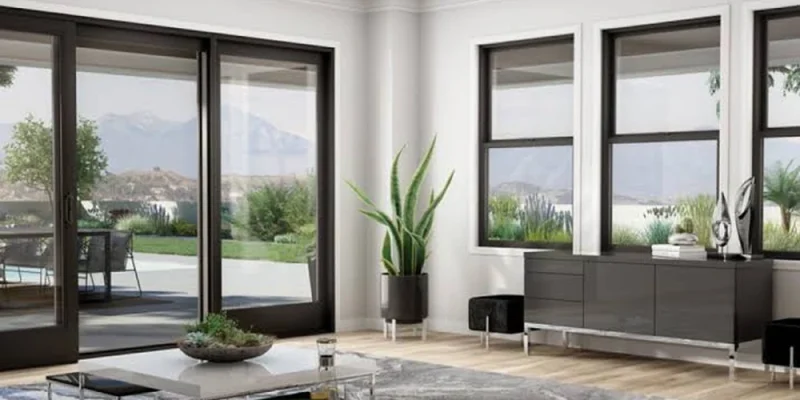
Selecting new windows is about more than finding a style that looks attractive from the outside. Every room serves a different purpose, and the right window should support how that space is used each day. Factors such as ventilation, privacy, daylight, and ease of operation all vary depending on the room. Taking a room-by-room approach helps homeowners create a more functional and visually balanced home while making informed renovation decisions.
Living Rooms: Prioritize Views and Natural Brightness
The living room is often where families gather and guests are welcomed, making it one of the most important spaces to consider. Windows that maximize outdoor views and bring in generous natural light can make the room feel larger and more inviting.
Picture windows are a popular choice when unobstructed views are the priority, while combinations of fixed and operable windows allow homeowners to enjoy both daylight and fresh air. When planning Whole House Window Replacement, selecting coordinated window designs for primary living spaces helps establish a consistent architectural style throughout the home.
Kitchens: Balance Light with Practical Ventilation
Kitchen windows should support daily cooking activities while allowing for easy operation. Windows placed above sinks or countertops benefit from styles that open with minimal effort, making ventilation convenient when preparing meals.
The amount of natural light should also be considered, especially if the kitchen serves as a central gathering place. Properly positioned windows can brighten work surfaces and create a more pleasant cooking environment without relying entirely on artificial lighting.
Homeowners exploring room-specific window solutions can review the residential replacement options offered by Apex Windows and Glass to find designs that match both the layout and functionality of their homes.
Bedrooms: Create Comfort and Privacy
Bedroom windows should provide a comfortable balance between daylight and privacy. Depending on the home’s location, homeowners may choose window styles that admit natural light while limiting direct visibility from neighboring properties.
Operable windows are also valuable in bedrooms, allowing fresh air to circulate when weather conditions permit. Selecting window sizes and placements that complement furniture layouts helps maximize usable wall space without sacrificing comfort.
Bathrooms: Let in Light While Maintaining Privacy
Bathrooms require a different approach than most other rooms. Privacy is often the highest priority, but natural daylight can still improve the overall atmosphere.
Frosted or textured glass, smaller window configurations, or higher wall placements allow sunlight to enter while preserving privacy. Choosing moisture-resistant materials also supports long-term durability in spaces exposed to humidity.
Home Offices and Study Areas: Reduce Distractions
For dedicated workspaces, window placement should encourage productivity. Excessive glare on computer screens can become distracting, while poorly positioned windows may create uneven lighting throughout the day.
Selecting windows that provide steady natural illumination without direct sunlight on workstations helps create a more comfortable environment for reading, virtual meetings, or focused tasks.
Create a Unified Home Without Sacrificing Individual Needs
Although each room has unique functional requirements, the home should still maintain a consistent appearance inside and out. Coordinating frame colors, grille patterns, and overall design creates visual harmony while allowing window styles to vary according to each room’s purpose. By carefully planning Whole House Window Replacement, homeowners can achieve a balanced combination of practicality, comfort, and architectural consistency that enhances every living space.







Comments