
 By
By 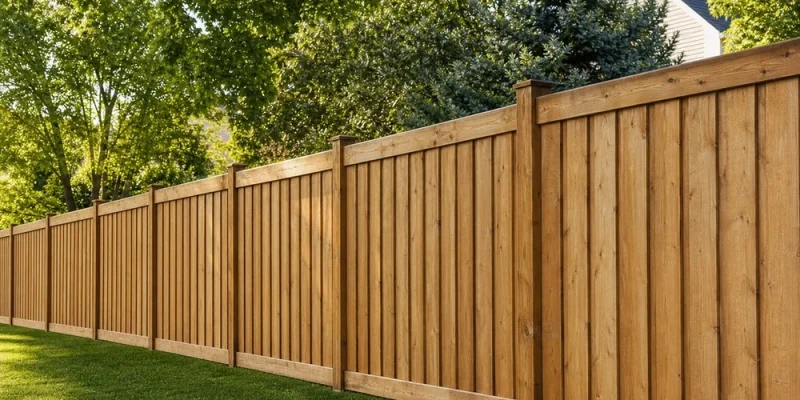
There are lots of reasons to get a fence: marking your property line, creating some privacy, holding in your pets, or even just making an outside space seem more complete. The best fence projects are usually started by thinking first and ordering supplies second. Planning ahead will help you and your fence contractor to understand each other better, and it’ll make sure that you’re not caught off guard once the job begins.
Define the Goal, Not the Fencing Type
It’s easy to start by weighing up wood versus vinyl vs. metal vs. composite fencing. But before you do that, what do you want the fence to do?
A fence meant to give you privacy will have different specifications than one intended to add decorative appeal to your front yard. A fence meant to keep pets inside will likely need smaller openings and a secure latch. And a fence around a pool, laid out without much jargon at https://cdc.gov/drowning, might be subject to special regulations. If you know why you want a fence, it will be much easier to decide on height, style, spacing, and gate placement.
List your project goals:
- Provide privacy from neighbors or street traffic
- Enclose an area for children and/or pets
- Mark off the boundary between your property and your neighbor’s
- Improve your curb appeal
- Limit access to a certain area of your yard
A fence doesn’t have to address all of your landscaping challenges. Aiming for maximum privacy, visibility, air circulation, affordability, and ornamentation all at once could result in a compromise that nobody is happy with.
Verify Your Property Lines Prior to Digging
Property lines aren’t the most interesting part of getting a fence. But they are one of the areas where things could go wrong in expensive ways. Trees, old posts, and long-standing neighborly agreements don’t always represent the actual boundaries of your land.
If there are any questions about where your boundaries are, check your property records or consider hiring a professional surveyor (see this link) before construction starts. This is particularly helpful if you are considering building a fence along the edge of your property, near a driveway, on a shared easement, or close to a neighboring structure.
Never assume that a previously existing fence is where it should be.
A fence company can tell you how they would build the fence using your measurements. But figuring out where the true boundaries of your property lie is a completely different matter. And if there is any disagreement about where the borders fall, then exactly where does a new fence need to go?
Select a Fence Based on What Works for You
All fencing types come with advantages and disadvantages. The best fit will depend on what you expect in terms of upkeep, looks, strength, and cost.
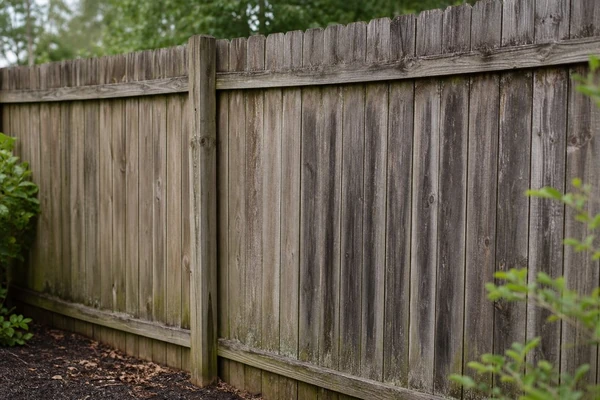
Wood
Wood has a classic look and works well in many configurations. It may need repainting, resealing, or repair as time passes. Wood is often a good choice for solid privacy fences, but boards can rot, warp, or be damaged by bugs and fluctuating weather.
Vinyl and Composite
Vinyl and composite fences are ideal for those who want minimal upkeep. They are resistant to most environmental damage, and they don’t require painting, although they may be more expensive initially. Discuss color options, panel styles, and replacement considerations before making your decision.
Metal
Metal fencing gives a more open aesthetic but still provides a strong boundary. It is often used when a solid wall wouldn’t work well or when visibility is important. Look carefully at picket spacing and gate mechanisms.
Leave this step out if the fence is a short-term solution to a temporary issue. A high-quality, permanent fence might be unnecessary if a less expensive temporary barrier would meet your needs.
Consider the Small Things That Impact Function
Most people focus on the big picture when talking about fencing. But small details are the ones that will determine how convenient the fence is day-to-day.
Ask your fence contractor about the width and orientation of the gate(s), how it will lock, and how the fence will deal with sloped ground or uneven soil. A gate that’s too narrow or doesn’t open properly could become very annoying very quickly.
Also think about what will happen on both sides of the fence. Do plants need to be trimmed back? Will water be able to drain around the posts? Can you maintain the fencing without stepping into a neighbor’s yard?
Get Things in Writing
A scope of work will outline where the fence will be built, what kind of fence it will be, its height, where the gate will be, whether the old fence will be taken down, and how cleanup will be handled. Review the scope of work before installation starts, especially if there are slope changes, corners, utility access points, or shared boundaries involved.
Sketch your yard, identify where the gate should be, and bring a list of questions to discuss with your fence contractor prior to accepting the final layout.

Comments