
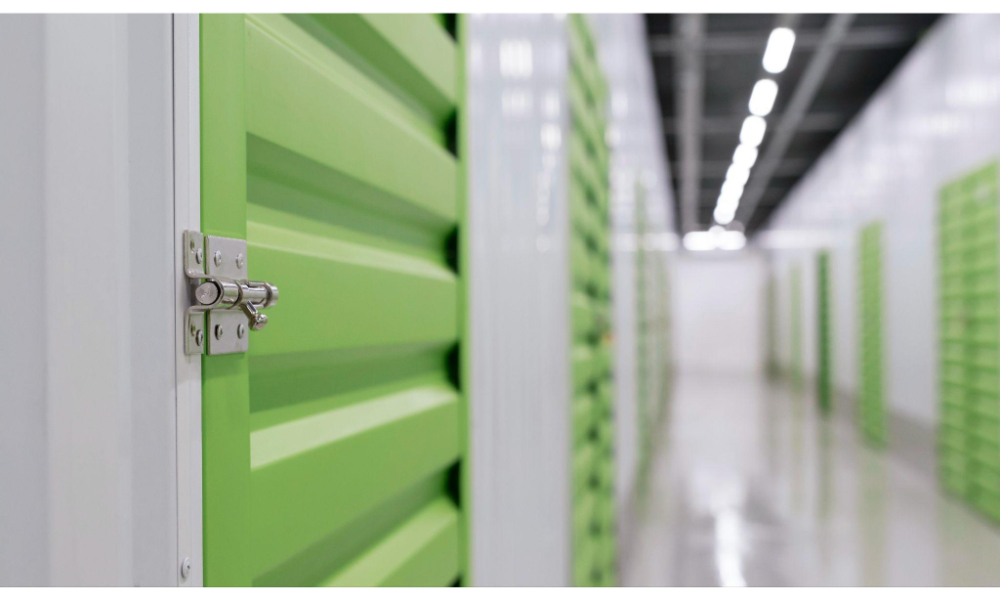
Self-storage often sounds straightforward. Rent a unit, store the items, move on. But many Singaporeans realise that after a few months in, costs can quietly creep up. Rental periods stretch, unit sizes feel slightly off, and suddenly the monthly bill looks heavier than expected. Budgeting early helps avoid that slow burn. Whether clearing space during a renovation or storing business inventory, understanding how to plan makes self-storage in Singapore far less stressful and far more predictable.
Start With What You’re Really Storing
Before looking at prices, it helps to pause and take stock. What is actually going into storage? Bulky furniture, archive boxes, seasonal décor, or business stock all behave differently. A stack of cartons can be packed tightly, while a sofa demands breathing room. Many renters overestimate their needs, paying for unused air. Measuring items at home may feel tedious, but it often reveals that less storage space in Singapore is needed than assumed.
Location Convenience Versus Monthly Cost
A unit five minutes from home feels convenient. Still, that convenience often carries a premium. Facilities near MRT stations or central districts typically charge more per square foot. For items that are rarely accessed, travelling a little further can reduce monthly costs without much inconvenience. On the other hand, frequent access might justify paying extra. Budgeting is about balance, not chasing the lowest number blindly.
Discovering Rental Terms and Hidden Extras
This is where many budgets wobble. Some facilities advertise attractive base rates but include additional fees for insurance, access cards, or extended hours. Climate control, while essential for documents or electronics, also adds to the bill. Asking clear questions upfront prevents surprises later. Self-storage in Singapore is competitive, but pricing structures vary more than expected, especially between older facilities and newer, tech-enabled ones.
Flexible Sizing Can Save Money Over Time
Here is a mild contradiction worth noting. Smaller units seem cheaper, but switching units later can cost more. Moving fees, transport, and time all add up. Choosing a unit with slight flexibility may cost a bit more monthly, yet saves money if storage needs change. This is common during home moves or business expansion phases, where plans rarely stay fixed and timelines shift.
Timing, Promotions, and a Bit of Patience
Storage demand often spikes during renovation seasons and year-end moves. During quieter months, promotions appear quietly. Discounts for longer commitments or first-time rentals are common. Waiting a week or two, if possible, can make a difference. Budgeting is not only about numbers; it is also about timing and patience, much like booking movers or renovation slots.
Thinking Beyond Monthly Rent
Monthly rent is only part of the picture. Transport costs, packing supplies, and insurance all belong in the budget. Even small items like padlocks or shelving matter over time. For businesses, staff time spent accessing the unit is another hidden cost. A realistic view of total expenses keeps storage space in Singapore predictable rather than frustrating.
A Quick Reality Check Before Committing
Before signing anything, it helps to step back and ask a simple question: Does this setup still make sense three months from now? Storage needs often evolve quietly. A short review of access frequency, costs, and space usage can highlight early adjustments, preventing small inefficiencies from becoming long-term expenses.
Conclusion
Budgeting for self-storage works best when it stays practical. Measure carefully, question pricing details, and think a few months ahead rather than only about today. When planned properly, self-storage in Singapore supports daily life instead of complicating it.
For personalised guidance and clear pricing, reach out to SpaceHub today to discuss storage options that suit both needs and budget.