
 By
By 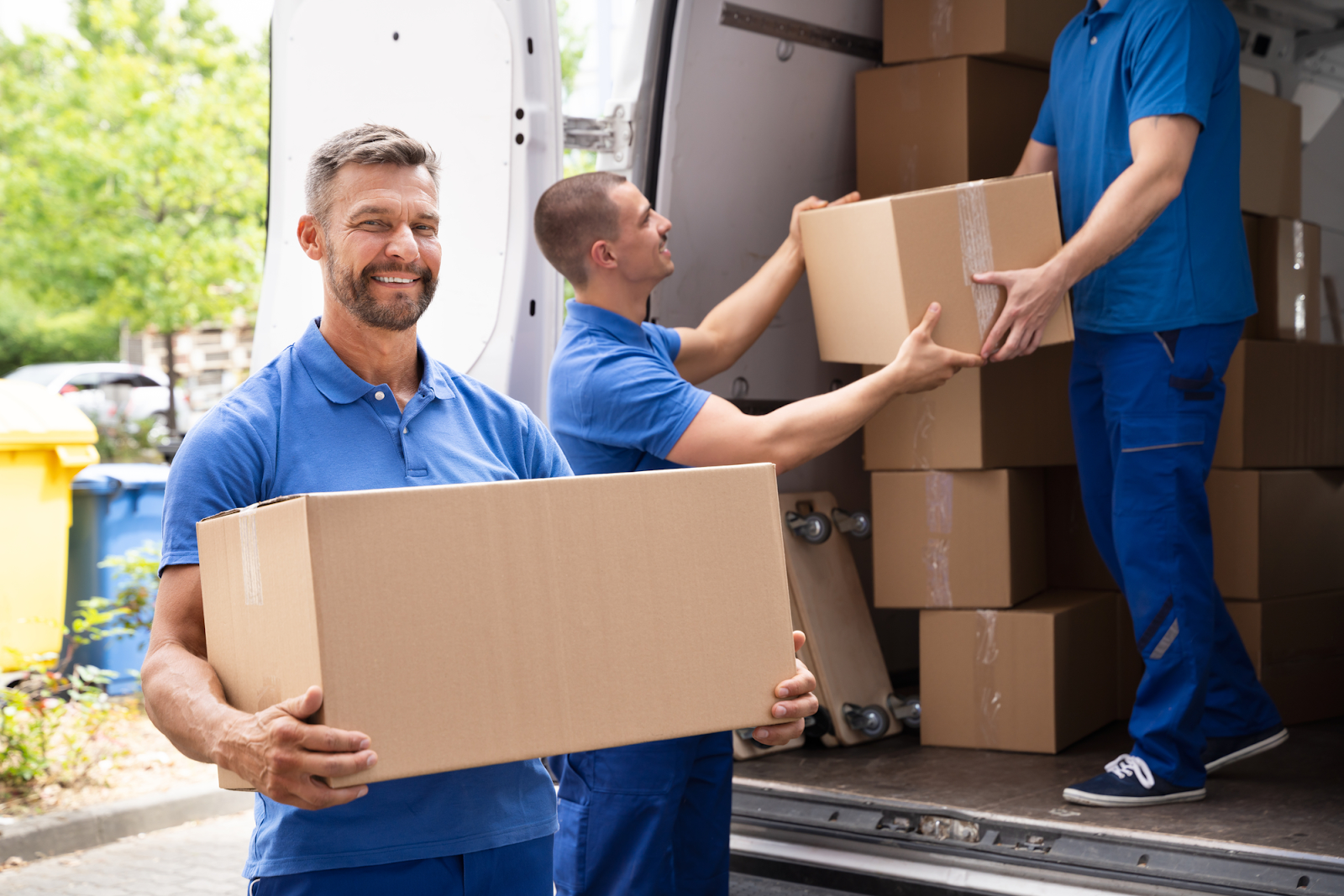
Relocating to a new city or state can be an exciting life change, but it also comes with unique challenges. Long distance moving requires more planning, coordination, and attention to detail than a local move. From organizing logistics to protecting your belongings over hundreds or even thousands of miles, proper preparation is the key to a successful transition.
What Makes Long Distance Moving Different
Unlike local moves, long distance moving involves extended travel times, stricter scheduling, and more complex coordination. Factors such as fuel costs, route planning, delivery windows, and federal transportation guidelines all play a role. Because your belongings are in transit longer, secure packing and professional handling become especially important.
Planning ahead helps reduce unexpected delays and minimizes the risk of damage or loss during transportation.
Planning Ahead for a Successful Move
Early planning is one of the most effective ways to reduce stress. Creating a moving timeline allows you to break the process into manageable steps. This includes sorting and decluttering items, gathering packing supplies, and confirming transportation details well in advance.
Labeling boxes clearly and keeping an inventory list can make unpacking far easier once you arrive at your new location. Preparation not only saves time but also helps you stay organized throughout the move.
Why Professional Movers Matter
Hiring experienced movers can significantly improve the long distance moving experience. Professional teams understand how to pack items securely, load trucks efficiently, and transport belongings safely over long distances. Their expertise reduces physical strain and helps prevent costly mistakes.
Companies like Top Moving Solutions specialize in handling complex relocations, offering services designed to support customers throughout every stage of the moving process. Working with professionals allows you to focus on settling into your new environment rather than worrying about logistics.
Protecting Your Belongings During Transit
Because long distance moving involves extended travel, protecting your items is essential. High-quality packing materials, proper cushioning, and secure loading techniques help ensure items arrive in good condition. Fragile belongings should be wrapped individually, while heavy furniture should be padded and stabilized to prevent shifting.
Many moving services also offer valuation or coverage options, providing additional peace of mind during transit.
Managing Costs Effectively
Costs associated with long distance moving can vary based on distance, weight, timing, and additional services. To stay within budget, it’s helpful to request detailed estimates, understand what services are included, and plan your move during off-peak seasons when possible.
Being informed about pricing structures helps avoid surprises and allows you to make smarter financial decisions.
Settling Into Your New Location
Once the move is complete, taking time to unpack systematically can make the adjustment easier. Start with essential items and gradually organize the rest of your space. Familiarizing yourself with the new area, utilities, and local services helps create a sense of comfort and stability.
Conclusion
Long distance moving doesn’t have to be overwhelming. With careful planning, professional assistance, and a clear strategy, relocating across long distances can be a smooth and positive experience. Focusing on preparation and reliable support ensures your move is efficient, organized, and as stress-free as possible.




Comments