
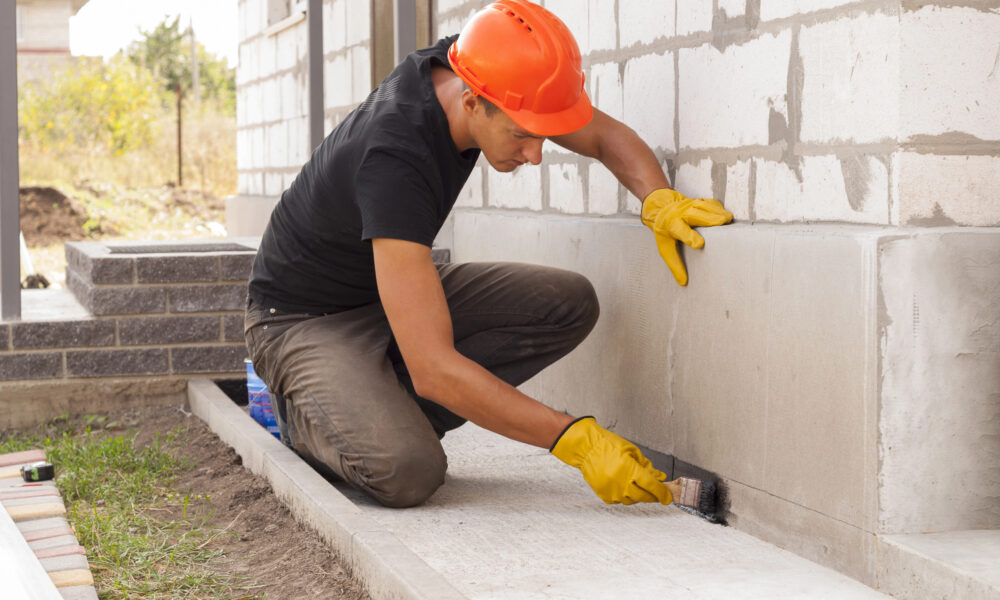
Waterproofing Singapore properties represents far more than a modern construction necessity—it embodies the island nation’s extraordinary transformation from a malaria-infested trading post to one of the world’s most advanced urban environments. To understand why effective waterproofing has become so crucial to Singapore’s continued prosperity, one must first appreciate the remarkable historical precedent of a society that has spent two centuries learning to coexist with, rather than simply resist, the relentless forces of tropical moisture.
When Sir Stamford Raffles established his trading settlement in 1819, he confronted the same fundamental challenge that faces every property owner in Singapore today: how to create durable structures in an environment where water seems to penetrate everything. The early colonial records reveal a litany of complaints about rotting timber, corroding metals, and the constant battle against humidity that seemed to defeat even the most carefully constructed buildings.
The Historical Imperative: Lessons from Singapore’s Past
Singapore’s urban development offers a fascinating case study in adaptive engineering. The city’s founders quickly discovered that European building techniques, designed for temperate climates, proved woefully inadequate in Southeast Asia’s punishing environment. Early structures routinely failed within decades, their timber frames succumbing to termites and rot, their masonry cracking under thermal stress, and their roofing systems proving no match for monsoon rains that could deposit 200 millimetres of water in a single day.
The solution emerged through a process of trial, error, and ultimately, innovation. By the early 20th century, Singapore’s architects and engineers had developed distinctly tropical approaches to construction that prioritised moisture management above all else. Raised foundations, extensive roof overhangs, and strategic ventilation became standard features—early forms of what we now recognise as integrated waterproofing design.
Modern Challenges in a Historical Context
Today’s Singapore faces waterproofing challenges that would have been unimaginable to Raffles and his contemporaries. The city-state’s remarkable vertical development has created unique pressures on building envelopes, whilst climate change has intensified the very weather patterns that make effective moisture control so critical.
Contemporary waterproofing requirements reflect several key factors:
Hydrostatic pressure
Underground construction in Singapore’s high water table areas creates enormous stress on basement waterproofing systems
Thermal cycling
Daily temperature variations of 10-15 degrees Celsius cause building materials to expand and contract continuously
Salt exposure
Proximity to the sea introduces corrosive elements that accelerate waterproofing system degradation
Monsoon intensity
Climate data suggests that peak rainfall events are becoming more frequent and severe
The Engineering Evolution: From Tradition to Innovation
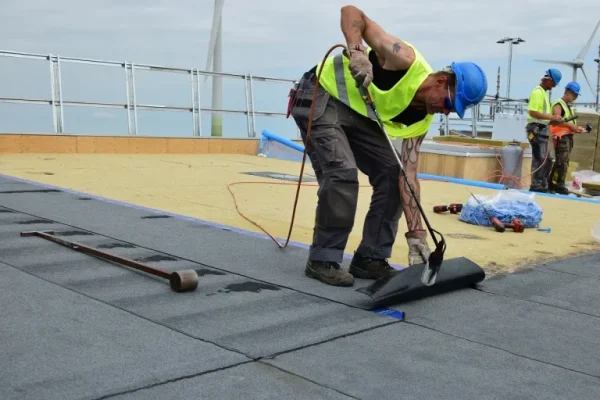
Singapore’s approach to waterproofing has evolved dramatically over the past century, driven by both technological advancement and bitter experience with system failures. The transition from traditional bituminous coatings to modern polymer membranes represents more than mere technological progress—it reflects a fundamental shift in how engineers conceptualise the relationship between buildings and water.
Consider the contrast between pre-war shophouses and contemporary high-rise developments. The former relied primarily on passive strategies: thick walls, generous roof overhangs, and natural ventilation. Modern structures, by contrast, employ active waterproofing systems that create multiple barriers against water penetration whilst accommodating the complex structural movements inherent in tall buildings.
The Science of Tropical Waterproofing
Singapore’s climate presents a unique combination of challenges that distinguishes it from other tropical regions. The island’s position just north of the equator means it experiences minimal seasonal variation in temperature and humidity, creating consistently demanding conditions for waterproofing systems. Unlike temperate climates where materials enjoy periodic respite from moisture stress, Singapore’s building envelopes face relentless assault from humidity levels that rarely drop below 70%.
This consistency, paradoxically, creates both opportunities and challenges for waterproofing design. Materials can be optimised for specific conditions rather than seasonal variations, but they must also demonstrate exceptional durability under constant stress. The most successful systems employ multiple complementary technologies:
Vapour barriers
Control moisture movement through building assemblies
Drainage systems
Manage water that inevitably penetrates outer defences
Elastic membranes
Accommodate structural movement without compromising water resistance
Redundant protection
Provide backup systems when primary barriers fail
Economic Imperatives and Long-term Value
The economic argument for quality waterproofing becomes particularly compelling when viewed through Singapore’s unique property market dynamics. Real estate values in Singapore reflect not merely location and size, but also the long-term durability and maintenance requirements of individual properties. Buildings with waterproofing failures face not only immediate repair costs but also significant depreciation in market value.
As Dr. Lim Wei Ming, a structural engineer with three decades of experience in tropical construction, observes: “In Singapore’s climate, waterproofing isn’t a luxury—it’s the foundation of everything else. I’ve seen million-dollar properties become unsaleable because owners neglected basic moisture control. The mathematics are simple: spend two percent of your property value on proper waterproofing, or risk losing twenty percent to water damage.”
Future-Proofing in an Era of Climate Change
Singapore’s waterproofing challenges will only intensify as climate change accelerates. Recent meteorological data suggests that the island can expect more frequent extreme weather events, including the kind of sustained rainfall that can overwhelm even well-designed drainage systems. Property owners who understand this trajectory are already investing in enhanced waterproofing systems that exceed current building code requirements.
The most forward-thinking developments now incorporate predictive maintenance technologies, using sensors to monitor moisture levels and system performance in real-time. This represents a return, in some sense, to the historical Singapore approach of working with water rather than simply trying to exclude it.
Conclusion: Embracing the Island’s Wisdom
Singapore’s remarkable transformation from tropical outpost to global metropolis offers profound lessons about the importance of adapting to, rather than fighting, environmental realities. The city’s success stems largely from its willingness to acknowledge that water, in all its forms, remains the defining challenge of tropical construction. Property owners who embrace this understanding—and invest accordingly in comprehensive Waterproofing Singapore solutions—position themselves not merely to survive the island’s challenging climate, but to thrive within it for generations to come.