
 By
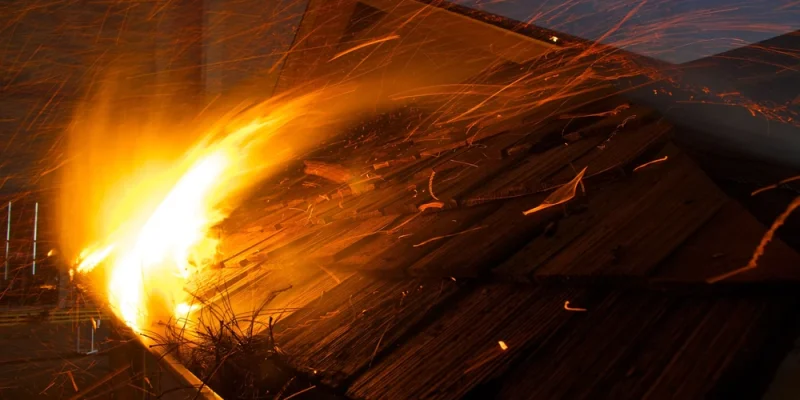
Most people picture a wildfire as a wall of flame rolling downhill toward the house. Investigators who walk burned neighborhoods describe something else. In many of the homes that are lost, the fire never touched the walls first. It arrived as a shower of glowing bark, twigs and leaf bits, carried a mile or more ahead of the fire by the wind, and those embers found somewhere to settle and smolder. The roof, with its wide surface, open edges, vents and gutters, is where a lot of them come down.
Around the canyons and ridgelines of eastern Orange County and the Inland Empire foothills, that risk is part of owning a home. Owners in Anaheim Hills, Chino Hills, Corona and Laguna Niguel who would rather have a trained eye on their roof before wind season can call Top Roofing Services, an Anaheim contractor with GAF Master Elite standing whose crews handle residential and commercial roofs, gutters, inspections and complete replacements. Still, it helps to know where a roof is strong and where embers slip in.
When the Wind Turns Hot and Dry
Santa Ana winds blow from the deserts toward the coast, mostly from fall into early winter. As the air drops through the passes and canyons it warms and dries out, so humidity can fall into the single digits while gusts tear through hillside streets.
Local history shows how fast this plays out. The Canyon 2 Fire in October 2017 burned into Anaheim Hills and destroyed homes there. In May 2022 the Coastal Fire raced up a slope in Laguna Niguel and took about twenty large houses, many of them lit by embers blowing ahead of the flames.
What the Fire Rating on Your Roof Really Tells You
Roof coverings are tested for fire by dropping burning wood blocks onto them and pushing flame across the surface. The results fall into Class A, B or C, with Class A holding up to the most severe exposure. Most asphalt shingles, clay and concrete tile, slate and metal earn the Class A rating.
There is a catch many homeowners never hear about. Some products only reach Class A as part of an assembly, which means they need a particular fire resistant underlayment or cap sheet beneath them. Certain metal panels, synthetic shakes and treated wood shakes fall into this group. If a cheaper underlayment went down instead, the rating on the bundle no longer describes the roof. Untreated wood shake is the material most often tied to losses, and treated shake slowly sheds its fire retardant as the years go by.
Tile Is Tough but Leaves Gaps
Clay and concrete tile handle burning debris well. The trouble is at the edges. Curved barrel and S tiles leave open pockets where they meet the eave, and those openings let embers, leaves and birds slip underneath. Dry nesting material and litter then pile up against the underlayment, which burns far more easily than tile.
Bird stops, also called eave closures, fill those pockets with metal or mortar so nothing can get in. Cracked or slipped tiles expose the underlayment too, and on roofs that still carry old felt paper, that layer has often turned brittle after decades in the sun.
Edges Where Fuel Builds Up
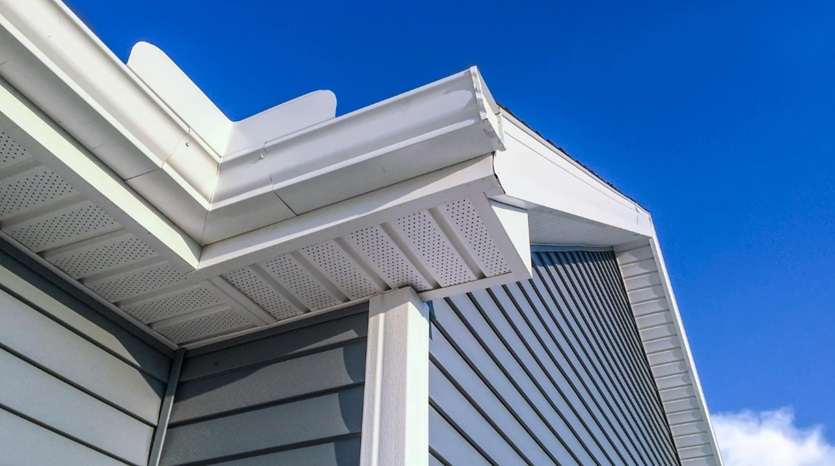
Gutters packed with dry leaves give embers a ready bed of fuel at the most exposed part of the roof. Once that debris catches, flames lick the fascia and the underside of the first row of roofing. Vinyl gutters soften and drop away, while metal gutters keep their shape. Gutter guards help only when they are made of metal mesh, since plastic covers can melt into the very gap they were meant to protect.
A metal drip edge closes the small space between the roof deck and the fascia board, which is another spot where embers can lodge. Valleys, the spaces behind chimneys and the joints where a roof meets a wall all act like catch basins for palm fronds, eucalyptus bark and pine needles.
Openings That Pull in More Than Air
An attic has to breathe, and in a wind event the same vents that let hot air out can draw embers in. Soffit vents, gable vents, dormer vents and some ridge vents are all possible entry points. Covering vents with corrosion resistant metal mesh no coarser than one eighth of an inch blocks most embers while still letting air move, and vents built and tested to resist embers and flame go a step further. The IBHS Wildfire Ready guidance walks through these vent upgrades along with the roof and gutter steps that matter most in testing.
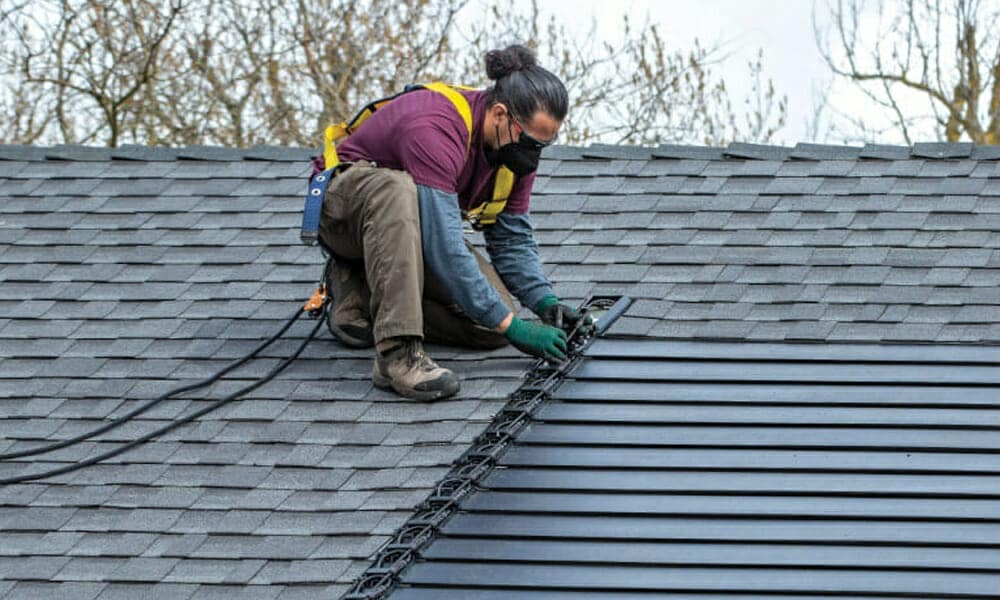
Skylights deserve a look as well. Older domed plastic units can soften and fail under heat, while flat skylights with tempered glass hold up much better. Rooftop solar arrays bring their own issue. Leaves and nests build up under the panels where nobody can see them, and a metal critter guard around the edge of the array keeps that space clear.
Before the Wind Season Arrives
Late summer, before the offshore winds start, is a good time for a once over. Much of it can be done from the ground with binoculars, leaving ladder work to someone properly equipped.
- Scan valleys, chimney backs and the areas under solar panels for collected leaves and needles.
- Clear gutters and downspouts, then check that guards are metal and firmly attached.
- Look closely at vent screens for tears, gaps or layers of paint that have clogged the mesh.
- On tile roofs, check whether the eave ends are open or sealed with bird stops.
- Trim branches back so nothing hangs over the roof, and cut away dead palm fronds.
- Keep firewood, mulch and stored items out of the first five feet around the walls under the eaves.
Making the Most of a Replacement
A full reroof is the best chance to fix several weak points in a single project. It is the moment to choose a covering that is Class A on its own or confirm the exact assembly needed, upgrade tired underlayment, add metal drip edge and replace old vents with ember resistant ones. Open rafter tails can be boxed in with noncombustible soffit material, and plastic gutters can come down for good.
California also has energy rules that ask for reflective roofing on many reroofs in hot inland climate zones, so color and finish choices are part of the same conversation. Some insurers in the state recognize mitigation steps under a program called Safer from Wildfires, which lists a Class A roof, ember resistant vents and a cleared five foot zone among the qualifying measures.
One Piece of a Bigger Defense
No roof makes a house fireproof. It works alongside the yard, the windows, the deck and the habits of the people who live there. Even so, the roof is the broadest target an ember storm will find. A roof with sealed edges, screened vents and nothing dry piled on top gives a drifting ember very little to work with, and on a gusty October night that can decide whether a spark goes out or takes hold.




Comments