
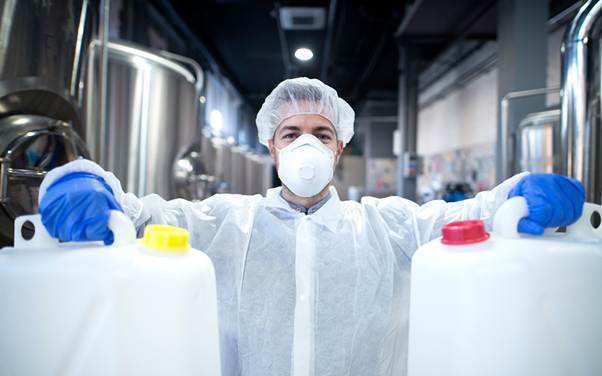
We flush it, dump it, bury it, then pretend it’s gone. But toxic waste doesn’t just disappear. Behind every faded “hazardous” label and rusted drum lies a story of science, struggle, and shifting responsibility. Toxic waste disposal is the backstage chaos most never talk about until it’s too late. As regulations tighten and environmental awareness grows, hazardous waste removal services are becoming less of an afterthought and more of a lifeline. Let’s unravel what happens when toxic trash becomes everyone’s problem.
From Silent Enablers to Waste Whisperers
Toxic waste disposal didn’t always have a face. For decades, it was handled quietly behind closed facility doors. But today, a diverse group of individuals and organisations is shaping how we handle hazardous materials. One standout is the rise of “clean-up consultants”—specialists who coordinate hazardous waste removal services, ensuring compliance, safety, and minimal disruption to operations.
At the corporate level, compliance officers have started championing stricter protocols for liability protection and brand integrity. When it comes to hazardous waste disposal services, CEOs, investors, and sustainability officers are paying attention, because reputational risks can be just as toxic.
How Hazardous Became Urgent
This shift stems partly from visible hazardous waste disasters, such as high-profile chemical leaks or illegal dump sites uncovered in the news. Schools, NGOs, and even social media platforms exposed the long-term effects of poor disposal practices, from tainted water to chronic illnesses in local populations.
Hazardous waste removal services are being scrutinised for compliance and transparency. Clients want waste logs. Communities demand site information. Environmental watchdogs compare removal rates across sectors. This evolving dialogue between stakeholders sees disposal as the end of the process and as a key part of responsible operations.
Business Needs vs. Environmental Duty
Here’s the tension: every industry generates waste, but not every business has the resources to manage it perfectly. Balancing cost-efficiency and compliance is one of the biggest challenges facing companies today. Toxic waste disposal can be expensive, particularly when specialised transport or containment is needed.
However, cost-cutting in disposal is a dangerous gamble. Mishandled hazardous waste can lead to leaks, fires, or contamination. The financial burden of a single incident often outweighs the cost of prevention.
That’s why many firms now outsource to certified hazardous waste disposal services with proven track records. These services offer removal, risk assessment, labelling protocols, and emergency support.
Finding balance means making informed decisions—knowing when to handle waste in-house, and when to call in experts. It also means recognising the hidden cost of inaction, especially when dealing with reactive chemicals, contaminated solids, or expired substances stored improperly.
Waste is a Legacy, Not a Moment
Disposal is often treated as a short-term concern: “Clear the barrels, clean the lab, and move on.” But toxic waste leaves a long trail. Thinking ahead means viewing waste management as a lifecycle.
This is where documentation and planning come in. The goal is to get rid of hazardous materials and prevent them from becoming a problem in the first place.
Emergency planning also plays a role. Hazardous waste removal services that offer contingency plans and after-action reviews help clients prepare for these possibilities. It’s less glamorous than corporate social responsibility campaigns, but far more impactful in the long run.
And let’s not forget digital innovation. Apps and cloud-based platforms are being used to track disposal records, automate compliance reminders, and generate real-time reports. This proactive approach moves toxic waste disposal out of the reactionary realm and into strategic operations.
What Really Happens to Hazardous Waste
Behind every removal job is a sequence of scientific steps few people ever see. First comes identification—categorising the waste based on chemical composition, volatility, and volume. Then comes containment, using certified drums, pails, or liners that comply with international transport codes.
Next, transportation must follow regulated routes using approved vehicles. Some materials go to thermal treatment plants, where they are incinerated at high temperatures. Others undergo chemical neutralisation, and stabilisation, or are confined to secure landfills designed to prevent leaching.
Hazardous waste disposal services outline every step of this chain, prioritising safe segregation and eco-conscious treatment. Trained handlers wear protective gear and follow strict safety protocols, with health monitoring required in many cases.
The science is precise, but so is the risk. This is why qualified services are essential.
Clean Isn’t Just Surface-Deep
We like to imagine that once something’s out of sight, it’s out of mind. But with hazardous waste, that mindset is dangerous. What we throw away defines our environmental legacy. Toxic waste disposal is about visibility, responsibility, and foresight. Hazardous waste removal services have become a vital bridge between progress and protection. So next time you label a drum “waste,” remember: you’re deciding what kind of future you leave behind.