
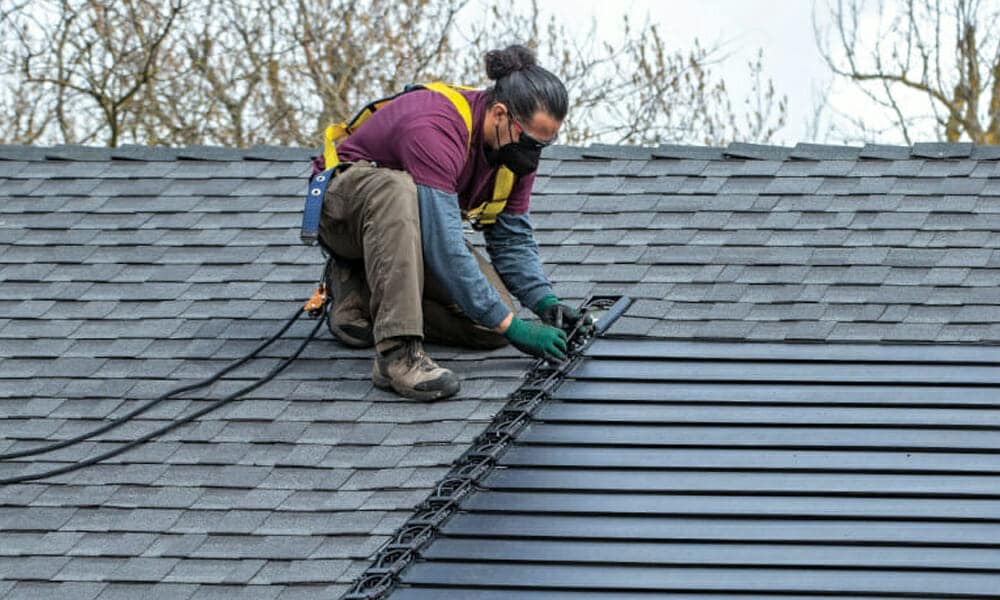
Spring Hill’s housing market is evolving quickly, and the implications for roofing are tangible—from material choices to scheduling windows and warranty expectations. As new neighborhoods break ground and existing homes see upgrades, homeowners are looking for practical guidance that fits both lifestyle goals and longer-term budgets. Local crews are adapting to meet elevated design standards, energy codes, and storm-readiness expectations without sacrificing curb appeal or value. With partners like Quality Exteriors bringing a planning-first approach, roofs are shifting from simple shelter to a smart, resilient asset. Whether you’re building new or refitting an older home, tapping into the experience of a trusted Spring Hill Roofing Company can help you align aesthetics, performance, and cost.
Population Expansion and the Rise of New Roofing Projects in Spring Hill
Spring Hill’s ongoing population growth is translating into steady roofing demand across new subdivisions and infill lots. Builders are specifying materials that balance speed of installation with visual differentiation, leading to combinations such as architectural shingles with metal accents and solar-ready underlayment. The housing mix is also shifting toward flexible floor plans and accessory dwelling units, which changes rooflines and the complexity of flashing, ventilation, and drainage. As more buyers arrive from regions with different climate expectations, roof selections are trending toward higher wind ratings and enhanced algae protection. A well-prepared Spring Hill Roofing Company can map these preferences to the realities of local codes and weather patterns, reducing callbacks and boosting long-term homeowner satisfaction.
Why the pace of permits matters
New roofing projects scale with permitting cycles, and the city’s throughput influences lead times for both materials and crews. During building surges, suppliers prioritize predictable orders, so consistent planning on the builder side often secures better delivery windows and pricing. Homeowners who coordinate early with their contractor can lock in installation slots, especially during late-summer peaks when storms and heat complicate schedules. Community-driven rebuilds—such as coordinated hail-damage replacements—show that neighborhood-level planning can reduce per-home costs and speed inspections. When growth is managed strategically, roofs become a connective thread for neighborhood identity, blending consistent quality with the variety buyers want.
Balancing Affordability and Durability in Modern Roof Construction
Homeowners are weighing short-term affordability against the long-term benefits of sturdier assemblies, and that balance is changing as insurance deductibles rise. Asphalt shingles remain popular, but upgrades like thicker laminated shingle lines, high-performance underlayments, and enhanced ventilation can add decades of service life when correctly installed. Metal roofing appears more frequently on porches and bay windows, introducing a durable accent that improves curb appeal without shifting the entire budget. The smartest investments focus on life-cycle cost: minimizing premature tear-offs, reducing maintenance, and improving energy performance through attic airflow and radiant barriers. A seasoned Spring Hill Roofing Company can show side-by-side projections so you see where each dollar flows over 20–30 years.
Making choices that last
Durability isn’t only about material; it’s also about the details—starter course configuration, ice and water shields at penetrations, and ridge vent sizing. When roofs fail early, it’s often because of weak points like valleys or poorly flashed transitions, not the field of shingles itself. By emphasizing these details, you can extend the useful life of a modestly priced roof and reduce moisture-related repairs inside the home. Strategic upgrades—such as impact-rated shingles or corrosion-resistant fasteners—can trim risk in storm seasons and may support better insurance outcomes. The key is to blend a realistic budget with a robust specification, ensuring the roof performs on humid days, windy nights, and everything in between.
How Local Zoning Regulations Influence Roofing Design Choices
Design decisions often start with aesthetics, but zoning and neighborhood standards shape the final roof plan in crucial ways. Pitch requirements, height limits, and setback rules can dictate how dormers, gables, and eaves are positioned, which in turn affects drainage paths. HOA covenants may limit metal finishes or require certain shingle profiles, influencing not only look but also thermal performance. In areas with heightened fire or wind exposure, code officials may ask for specific underlayments, fastener patterns, and edge treatments to resist uplift. Contractors familiar with review boards can streamline approvals and help homeowners avoid costly redesigns late in the process.
Why permitting sets the tone
The review process clarifies expectations for reflectivity, solar integration, and even color palettes in some neighborhoods. Choosing compliant materials early reduces rework and allows your crew to order from reliable inventories, cutting the risk of delay. If you plan to add solar later, it’s wise to confirm load calculations and roof attachment pathways during the roofing phase, not after panels are designed. A collaborative approach—architect, builder, and installer working in lockstep—reliably produces a roof that meets code, delights the eye, and stays within budget. It’s the integrated planning that turns a good decision into a resilient one, and a well-coordinated Spring Hill Roofing Company can guide that path.
Smart Roofing Systems Offering Remote Monitoring Features
Homeowners are increasingly open to roofs that do more than keep out rain; they want data that informs maintenance and minimizes surprises. Smart roofing systems use discreet sensors to track moisture at critical points, detect unusual heat patterns, and log wind or hail events. These platforms can notify you when a vent boot ages out or when an attic reaches temperature thresholds, signaling ventilation issues before damage occurs. In climates with sudden storms, that early alert can prevent small leaks from cascading into drywall repairs or mold remediation. Integrating dashboards with warranties creates a record of care that supports resale and gives buyers confidence in the roof’s condition.
What remote data actually shows
Remote monitoring trends reveal where failures usually start, helping contractors refine flashing details and material choices. Installers can use analytics to recommend targeted maintenance, improving performance without upselling unnecessary work. For families traveling or managing rentals, remote alerts provide peace of mind and allow for prompt action after a storm. When handled by established teams such as Quality Exteriors, smart tools become part of a proactive service cycle that keeps costs predictable. The result is a roof that doesn’t just sit overhead—it communicates, adapts, and protects with measurable results.
The Growing Trend of Eco-Certified Roofing Contractors in 2025
Sustainability has moved from “nice to have” to baseline expectation, and eco-certified contractors are setting the pace. Certifications often require documented waste diversion, responsible material sourcing, and installation practices that reduce heat islands and improve water management. Tear-off recycling, cool-roof shingle selections, and integrated solar readiness are becoming standard checkboxes rather than add-ons. As buyers look for energy-efficient homes, an eco-forward roof can strengthen appraisals and attract interest in competitive neighborhoods. A forward-looking Spring Hill Roofing Company that embraces these practices can align environmental outcomes with solid craftsmanship and warranty support.
Signals buyers look for
Home shoppers increasingly ask about reflectivity ratings, ventilation strategies, and whether the roof assembly supports future solar or battery systems. Eco-certified contractors explain trade-offs clearly—how a slightly different shingle or underlayment can improve temperature control without complicating maintenance. They also tend to schedule jobs efficiently to minimize idling, noise, and neighborhood disruption, a subtle but appreciated sign of professionalism. By packaging sustainability with durability and style, they make it easier for homeowners to say yes to a roof that performs year-round. This is where certifications matter: they convert broad environmental goals into verifiable, everyday practices you can see on-site.
Cost Forecasts for Residential Roof Replacements in Emerging Suburbs
Material and labor costs in 2025 are stabilizing compared to prior volatility, but pricing still varies by profile complexity and product tier. Architectural shingles continue to offer strong value, with modest premiums for algae resistance or impact ratings that can pay off in storm seasons. Metal remains higher upfront yet increasingly competitive as supply chains normalize and installers become more efficient. Homeowners can expect seasonal pricing pressure around peak storm windows, so planning a replacement ahead of spring and late-summer spikes often secures favorable bids. Transparent estimates that break down materials, labor, disposal, and accessories help you manage scope and avoid unexpected change orders.
What could move prices up or down
Several factors will influence replacement budgets this year: regional storm activity, transportation fuel costs, contractor capacity, and code-driven changes to underlayment or fastening. Insurance participation can lower out-of-pocket costs after covered events, but deductibles and depreciation rules make documentation critical from the start. Financing options continue to expand, allowing homeowners to spread payments while choosing higher-performing assemblies that reduce long-run expenses. Local partners who forecast supply timing and protect your schedule can smooth costs and keep your project on track. When you work with teams who prioritize clarity and craftsmanship, such as those at Quality Exteriors, you get fewer surprises and a roof spec that aligns with the way you actually live.
Building Community Resilience Through Quality Roof Infrastructure
As neighborhoods mature, the resilience of each home affects the strength of the whole community. Roofs anchor that resilience by controlling water, managing heat, and withstanding wind events that can knock out essential services. A resilient roofing strategy looks beyond individual materials to how the assembly ties into gutters, soffits, attic ventilation, and even backup power plans. Neighborhoods that invest in similar performance standards create a shared baseline that reduces post-storm recovery time. That cohesion improves insurance outcomes, stabilizes property values, and encourages reinvestment in other home systems.
Turning maintenance into mutual aid
Community associations can coordinate roof inspections before storm season, helping residents catch small issues early and prioritize shared vendor relationships. Educational workshops demystify the process—what a proper ridge vent looks like, how to read a shingle warranty, why flashing matters—and reduce anxiety when decisions arise. Local contractors who document roofs with photos and clear checklists give homeowners a common language to compare bids and scope. By building these habits, neighborhoods position themselves to respond quickly after weather events, mobilizing trusted crews and minimizing downtime. In many Spring Hill enclaves, partners like Quality Exteriors have shown how consistent standards, transparent communication, and storm-ready materials can turn individual projects into a stronger, more confident community.