
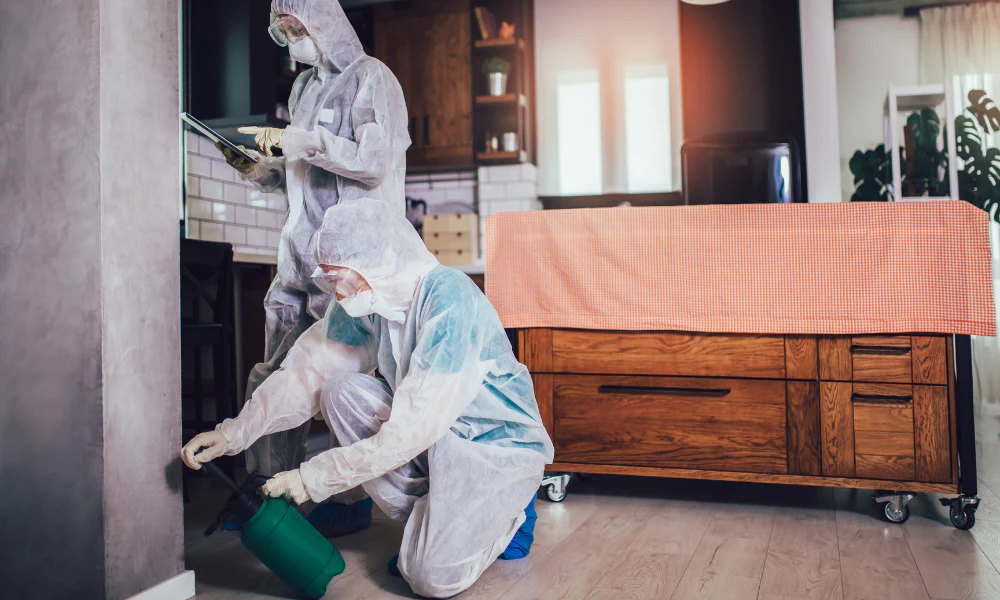
You’ve confirmed you have bed bugs. You’ve booked a heat treatment. Now you’re wondering what actually happens on treatment day, how long you’ll be out of your home, and whether your stuff will survive temperatures hot enough to kill insects. These are the questions Hot Bugz hears from almost every client in the days between scheduling and treatment. The process is straightforward once you understand it, but not knowing what’s coming makes an already stressful situation worse. Here’s what the day looks like from start to finish, based on how Hot Bugz runs heat treatments across Denver homes and apartments.
Before Treatment Day: Preparing Your Space
Preparation starts before the crew arrives. Hot Bugz provides a detailed prep guide when you book, and following it closely makes a real difference in how smoothly the treatment goes.
The basics: remove anything that can’t tolerate high heat. That means candles, wax melts, vinyl records, certain medications, aerosol cans, live plants, and any perishable food not sealed in cans or jars. Chocolate, candy, and anything with a low melting point should come out. Fresh produce and refrigerated items can stay in a closed refrigerator, which maintains its own internal temperature during treatment.
Pets need to be out of the home. Fish tanks are a particular concern because the water temperature will rise in a heated room. If you have an aquarium, ask your technician about whether it needs to be relocated or can be managed with aeration during the process.
You don’t need to bag up all your clothing or strip your beds. In fact, Hot Bugz prefers that you leave bedding, pillows, and clothing in place. The heat needs to penetrate these items to kill any bugs hiding inside them. Removing and bagging everything defeats the purpose. Open dresser drawers and closet doors so hot air circulates freely through your belongings.
One thing people often forget: if you have heat-sensitive items mounted on walls, like crayons-in-a-frame art projects or foam-backed mirrors, take those down. The walls themselves will be fine, but adhesives and soft materials mounted to them can warp.
What Happens When the Crew Arrives
On treatment morning, the Hot Bugz team shows up with industrial heaters, high-volume fans, and temperature monitoring equipment. The setup process typically takes 30 to 60 minutes depending on the size of your space and how the equipment needs to be positioned.
The heaters are large, propane-powered or electric units that push heated air into the treatment area through insulated ducting. Fans are placed strategically throughout the home to circulate that air and eliminate cold pockets. Temperature sensors go in multiple locations, including inside wall voids, behind furniture, and in spots where bed bugs are most likely to harbor. These sensors feed data to the technician in real time so they can monitor conditions throughout the treatment.
Once the heaters fire up, the goal is to bring the interior temperature to between 130°F and 140°F and hold it there for several hours. The ramp-up period usually takes one to two hours depending on the structure. A well-insulated Denver home heats up faster than a drafty older building, and basement units take longer than upper floors because heat rises.
During the Treatment: What’s Happening Inside
While the home is being heated, bed bugs go through a predictable behavioral sequence. As temperatures climb past 100°F, bugs become agitated and start moving out of their hiding spots. This is actually a good thing. Bugs that scatter from deep harborage into the open are more quickly exposed to lethal temperatures.
At around 113°F, adult bed bugs begin to die, though sustained exposure is needed. Eggs are hardier and require temperatures above 120°F held for an extended period. That’s why the target range is 130°F to 140°F. It builds in a margin to ensure that even the most protected bugs, like those tucked inside a box spring or behind an outlet cover, reach lethal exposure.
The technician stays on site for the entire treatment, adjusting fan positions, repositioning heaters if needed, and watching the sensor data to make sure every zone in the home reaches and sustains the target temperature. If a particular area is lagging, they’ll redirect airflow or add supplemental heat to that zone. This active management is what separates a professional heat treatment from someone renting a heater and hoping for the best.
The total treatment time, from the moment the heaters turn on to the point where the technician is satisfied that all zones have been held at lethal temperature long enough, ranges from six to eight hours for a typical Denver home or apartment. Larger spaces or heavily cluttered units can take longer.
After the Heat Shuts Off
Once the treatment is complete, the crew removes their equipment and opens windows to begin cooling the space. The home will still be extremely hot when they finish, so plan on giving it an hour or two to cool down before you return. In Denver’s dry climate, opening a few windows brings the temperature down relatively quickly, especially in cooler months.
When you walk back in, the house will look the same as when you left. Your furniture is in place, your clothes are in the drawers, your bed is where it was. There’s no chemical residue, no odor, no film on surfaces. Some people notice a dry, warm smell similar to a house that’s been closed up on a hot summer day. It dissipates within hours.
Check your space for any heat-related issues. Occasionally a candle gets missed in the prep or a piece of adhesive softens. These are rare if you followed the preparation guide, but it’s worth a quick walk-through.
How Hot Bugz Handles the Post-Treatment Period
Hot Bugz backs their heat treatments with a guarantee. If you see live bed bugs within the warranty window, they come back and re-treat at no additional cost. In practice, callbacks after a properly executed heat treatment are uncommon because the heat kills all life stages, including eggs, in a single session.
That said, it’s normal to find dead bugs in the days after treatment. You might see them on the floor, in bed folds, or along baseboards as they come out of hiding spots where they died. Finding dead bugs is actually confirmation that the treatment worked. If you’re seeing bugs that are clearly alive and moving a week or more after treatment, that’s when you call.
It’s also worth knowing that bites can appear for a few days post-treatment. Bed bug bites sometimes take 24 to 72 hours to show up on skin, so a bite that appears two days after treatment may have happened before the heat was applied. New bites appearing a week or more later would be a different story.
Common Concerns That Come Up
Will the heat damage my electronics? Laptops, TVs, and game consoles are designed to tolerate temperatures well above 140°F during shipping and storage. They’ll be fine. The one exception is anything containing a lithium battery that’s already swollen or damaged, which should be removed as a precaution.
Will my paint bubble or my walls crack? No. Standard interior paint and drywall handle these temperatures without issue. Denver’s dry air actually helps, since there’s minimal moisture to cause expansion problems.
Can I stay at a friend’s house during treatment without spreading bugs? Yes, as long as you’re not bringing luggage or bags that have been stored in the infested area. Wear freshly laundered clothes from the dryer and you’re not carrying anything with you.