
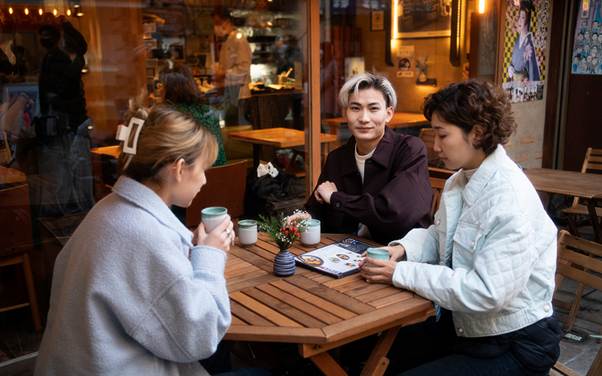
In Singapore’s hyper-competitive food and beverage (F&B) landscape, the difference between a packed restaurant and a ghost town might just be the lighting, layout, or even your counter’s shape. The design of commercial spaces, particularly in the F&B sector, has gone from being a final flourish to a strategic cornerstone. Whether planning a sleek bar, a cosy café, or a bustling food court, partnering with a commercial interior designer who understands F&B interior design in Singapore can determine and influence customer behaviour, staff efficiency, and even repeat visits. In this article, we explore how commercial design impacts the F&B experience through a blend of practical wisdom, unexpected applications, and an honest look at pros and cons.
What to Look for in a Commercial Interior Designer
Finding the right commercial interior designer isn’t a one-size-fits-all task. Different designers bring different strengths, whether it’s spatial planning, thematic consistency, or understanding how to balance aesthetics with operational flow. In Singapore, where rental costs are high and customer expectations even higher, you want a designer who sees your project and understands how design affects queue systems, seating turnover, and comfort zones.
Ideally, a designer should be part strategist, part collaborator, and part psychologist. Considerations like how the colour palette affects appetite, or how ambient sound shapes dwell time, are things that experienced F&B interior designers in Singapore think about long before the first piece of furniture is placed.
Beyond experience, communication is vital. Do they listen? Do they understand your brand’s voice and clientele? Are they familiar with URA or NEA guidelines and commercial building codes in Singapore? These are practical and non-negotiable checkpoints.
When Design Does More Than Just Look Good
Here’s where things get interesting. In a commercial setting, especially within F&B, form has to meet function.
Take, for instance, spatial circulation. The way a space is organised can influence how long customers stay, whether they share posts on social media, and even how easily staff can move between tables. Similarly, open kitchen concepts create transparency but can backfire if ventilation or workflow is poorly managed.
Another example? Queues. A smart commercial interior designer knows how to prevent bottlenecks at ordering or payment stations. They might suggest angled counters, modular seating, or even specific lighting to subtly guide customer movement. In Singapore, where dining space is often constrained, these micro-decisions can significantly affect a business’s daily operations.
And let’s not forget how interior design supports branding. The tiles you choose, the cutlery storage, even the placement of your POS system, all speak to the type of experience your customer expects. A designer well-versed in F&B interior design in Singapore will be mindful of these layers.
Weighing the Real-World Impact
Engaging a professional for your interior design renovation is a financial and emotional investment. So what’s the actual return?
On the benefits side, a good design increases efficiency. Staff walk less, customers move more intuitively, and maintenance becomes simpler. A thoughtfully designed space also makes onboarding new staff easier. Everything has a place, and everything’s built for purpose.
There’s also brand alignment. A ramen joint shouldn’t look like a steakhouse. Consistent, intentional design gives your brand credibility, allowing diners to trust the experience before even tasting the food. And in this Instagram era, don’t underestimate the power of a visually recognisable interior.
However, drawbacks exist. Design fees can be substantial, and the timeline might stretch if permits or construction phases hit a snag. There’s also the risk of overdesign that looks gorgeous but is impractical during peak service hours. You also have to find the balance between trendiness and timelessness. What’s “in” today may be outdated in 18 months.
Then there’s the long-term maintenance cost. High-gloss finishes might look luxe, but require constant upkeep. That industrial light fixture? Beautiful but possibly a nightmare to clean. Understanding these trade-offs is vital, and a responsible designer will walk you through all of it before the first brick is laid.
Interior Design as Your Secret Business Lever
To sum it up: good interior design is about creating an ecosystem that works. From queue-friendly layouts to brand-driven aesthetic decisions, working with a savvy commercial interior designer isn’t an optional extra. For F&B establishments in Singapore, where competition is stiff and customer expectations are sky-high, thoughtful design can make all the difference. Your approach to F&B interior design in Singapore is practical, strategic, and future-ready. Because at the end of the day, people may come for the menu, but they stay for the vibe.
Planning a renovation or revamp for your café, bistro, or restaurant? Speak with Interea today and find out how your space can serve more than just meals.