
 By
By 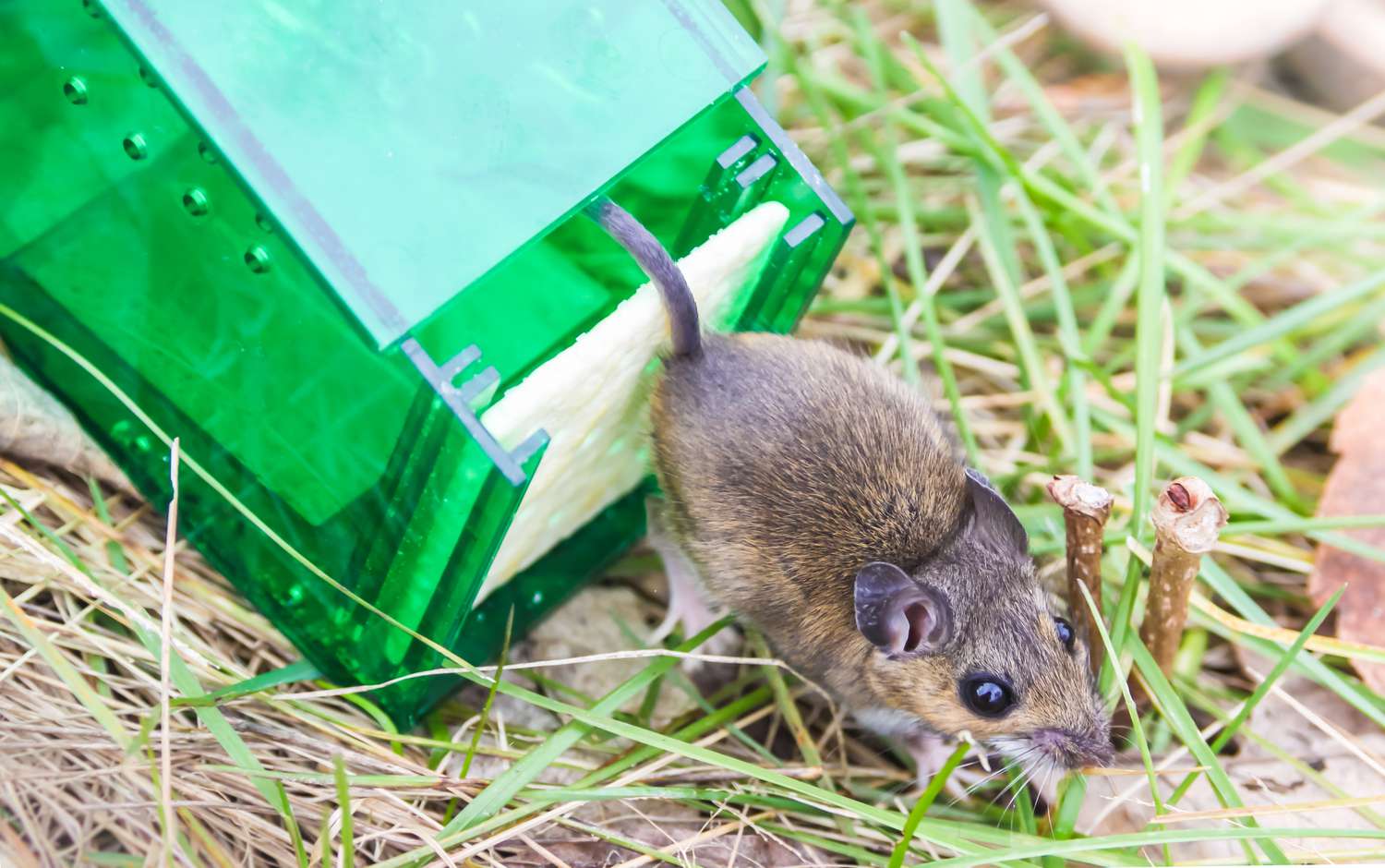
When mice invade your home, the instinctive reaction is often swift elimination—traps, poison, or deterrents. However, there’s a growing awareness around the ethics and sustainability of pest control, leading many to consider humane mouse removal. But how effective is this approach, really? Can it truly solve the problem without the harshness of extermination? Let’s examine the effectiveness, process, and long-term benefits of humane mouse removal.
The Problem with Traditional Mouse Control
Standard mouse control typically involves snap traps, glue boards, and rodenticides. While these methods may deliver fast results, they carry serious downsides:
- Inhumane Results: Glue traps and poison can cause prolonged suffering.
- Safety Risks: Poisoned mice can die in hidden places, creating odor issues and sanitation hazards.
- Secondary Poisoning: Pets, children, and even predators like owls can be harmed by accidental exposure to poison.
- Limited Prevention: Killing mice doesn’t stop more from entering your home if access points remain unsealed.
In contrast, humane removal focuses on resolving the root of the issue: how and why mice are entering your home in the first place.
How Humane Mouse Removal Works
Humane mouse control is built on an Integrated Pest Management (IPM) approach. It involves multiple coordinated steps designed to safely and effectively eliminate mice without harming them—or anyone else.
1. Inspection and Entry Point Identification
The first step is a detailed inspection of your home. Technicians identify signs of activity, including:
- Mouse droppings
- Chewed wiring or food packaging
- Nesting materials
- Noises in walls or ceilings
They also locate entry points—cracks, holes, gaps around utility lines, and vent openings—often no larger than a dime.
2. Live Trapping
Instead of using snap traps or poison, humane mouse removal uses live-catch traps. These are placed strategically in areas of high activity, baited with peanut butter, oats, or sunflower seeds. Mice are captured without injury and relocated to safe outdoor areas—far from your home.
3. Sealing and Exclusion
The most important part of humane removal is preventing future infestations. This includes:
- Sealing all holes and gaps with chew-resistant materials like metal mesh, copper wool, or steel flashing
- Installing door sweeps and vent screens
- Repairing or upgrading foundation cracks and utility access points
This step ensures mice can’t return, making future problems far less likely.
4. Sanitization and Monitoring
After removal, professionals clean up droppings, disinfect affected areas, and install monitoring stations to track any lingering activity. This ensures health risks are minimized and gives peace of mind.
Why It’s Effective Long-Term
Humane mouse removal isn’t just a temporary fix—it’s a sustainable solution. By addressing how mice get in and why they stay, it:
- Reduces reinfestation risk
- Improves indoor air quality by removing urine and feces
- Avoids odors caused by poisoned or decomposing mice
- Protects pets and children from accidental poisoning or injury
- Promotes ecological balance by relocating mice instead of killing them
More importantly, it treats your home holistically—dealing not just with the symptom (mice inside) but with the cause (entry points and food access).
One company offering this balanced approach is Capital Wildlife humane mouse removal, which combines ethical trapping, expert exclusion, and thorough cleanup to deliver effective and lasting solutions.
Conclusion
Humane mouse removal is not only compassionate—it’s effective. By focusing on safe trapping, structural exclusion, and sanitation, you can eliminate a rodent problem without poison, cruelty, or health hazards. This modern approach addresses the root causes, prevents future invasions, and aligns with best practices in responsible pest control. When executed by trained professionals, humane methods offer both ethical peace of mind and real, reliable results.






Comments