
 By
By 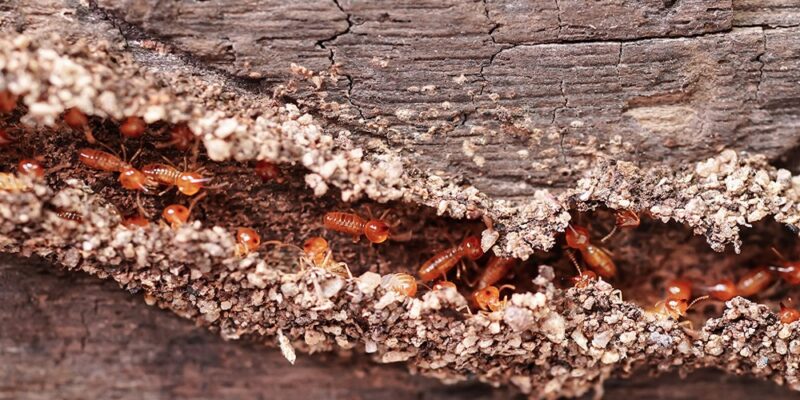
Key Highlights
- Termites cause millions in property damage annually across Singapore, often going undetected until severe structural issues emerge.
- Visual indicators include mud tubes, hollow-sounding timber, discarded wings, and frass accumulation near wooden structures.
- High humidity and tropical climate create ideal breeding conditions for termite colonies in residential properties.
- Early detection through regular inspections significantly reduces repair costs and prevents extensive structural compromise.
- Professional termite treatment addresses infestations more effectively than DIY solutions, protecting long-term property value.
Introduction
Singapore’s tropical environment creates the perfect breeding ground for termites, and these wood-destroying insects don’t discriminate between HDB flats and landed properties. What makes termites particularly dangerous isn’t just their appetite for timber but their ability to cause catastrophic structural damage whilst remaining completely invisible to homeowners.
Most people discover they have a termite problem only after the damage has already cost thousands in repairs. The truth is that termite colonies can number in the millions, working around the clock to consume the wooden framework that holds your home together. Recognising the warning signs early can mean the difference between a manageable termite treatment and a financial nightmare.
Spotting the Evidence Before It’s Too Late
Mud tubes are perhaps the most obvious giveaway. These pencil-thin tunnels appear along walls, foundations, and other surfaces, providing termites with protected highways between their colony and food sources. If you spot these earthen corridors snaking up your external walls or along the skirting boards, you’re looking at active termite activity.
Hollow timber sounds tell another story. When you tap on wooden beams, door frames, or furniture and hear a dull, papery echo instead of solid resistance, termites have likely hollowed out the interior. They consume wood from the inside out, leaving just a thin veneer that masks the destruction underneath.
Discarded wings near windowsills or door frames signal that winged termites have swarmed and established a new colony nearby. These reproductive termites shed their wings after mating, and finding piles of translucent wings indoors suggests you’ve got unwanted residents setting up shop.
Frass, or termite droppings, appears as small pellets that resemble sawdust or coffee grounds. Drywood termites push these waste materials out of their tunnels, creating small piles that accumulate beneath infested wood. This distinctive calling card shouldn’t be ignored.
Why Singapore Homes Are Particularly Vulnerable
Our climate plays directly into termite biology. Year-round warmth and humidity mean these pests never enter a dormant phase. They remain active throughout every season, continuously expanding their colonies and consuming more timber. Rainfall creates moisture-rich conditions that many termite species require for survival, whilst our dense urban environment provides endless food sources in the form of wooden structures, furniture, and landscaping materials.
Older properties face heightened risk because construction standards from previous decades didn’t always incorporate modern termite-resistant treatments. Even newer homes aren’t immune, particularly if they feature wooden decking, garden structures, or extensive timber finishes that provide easy access points for infestations.
The Real Cost of Delayed Action
Structural repairs from termite damage regularly run into five figures, depending on the extent of the infestation. Load-bearing beams, floor joists, and roof trusses may require complete replacement once compromised. Beyond the immediate repair costs, property values take a hit when termite damage appears in valuation reports or building inspections.
Insurance policies typically exclude termite damage, classifying it as preventable maintenance rather than accidental damage. This leaves homeowners shouldering the entire financial burden of repairs and treatment, making prevention and early intervention financially prudent strategies.
When Professional Intervention Becomes Essential
Whilst hardware stores sell various anti-termite products, established colonies require comprehensive treatment that addresses both visible infestations and hidden populations. A reputable pest control company in Singapore brings diagnostic tools, treatment methods, and industry expertise that DIY approaches simply cannot match.
Professional termite treatment involves thorough property inspection using moisture meters, infrared cameras, and acoustic sensors to map the full extent of the problem. Treatment plans then combine targeted chemical barriers, baiting systems, and structural modifications to eliminate existing colonies whilst preventing reinfestation.
Licensed technicians understand termite biology and behaviour patterns, allowing them to identify vulnerable areas that untrained homeowners might overlook. They also guarantee their work, providing follow-up inspections and retreatment if necessary, something no retail product can offer.
Conclusion
Termite damage represents one of the most serious threats to property integrity in Singapore, but early detection and professional intervention can prevent catastrophic outcomes. Regular inspections, awareness of warning signs, and prompt action when problems emerge form your best defence against these relentless pests.
Start protecting your property investment with Singapore’s trusted experts in termite control and prevention solutions. Contact First Choice Pest Specialist today for a comprehensive termite inspection and customised treatment plan.





Comments