
 By
By 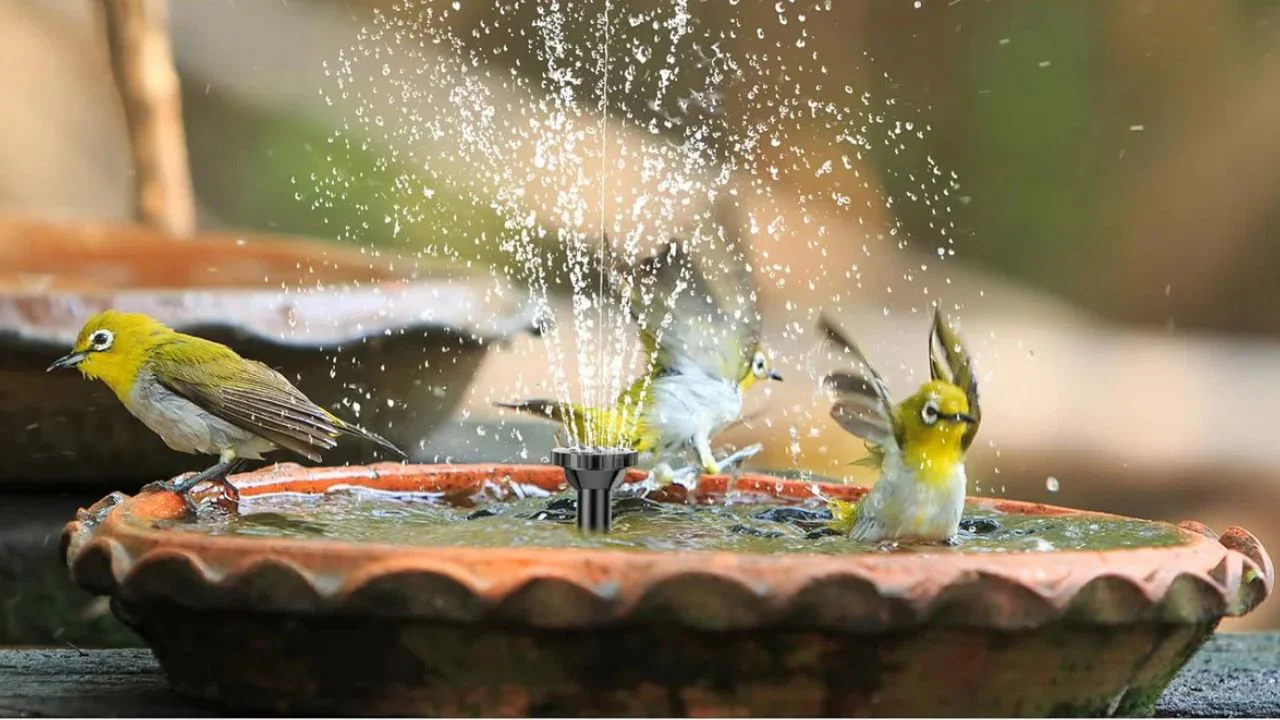
Homeowners in Phoenix often use decorative birdbaths to attract beautiful desert birds. But, despite the best of intentions, these water features also turn into silent mosquito factories during Arizona’s harsh summer months. With its scorching temperatures, monsoon mugginess, and standing water, Phoenix has the ideal breeding ground for these blood-sucking pests.
A bird sanctuary turns into a nursery where mosquitoes are capable of reproducing hundreds of thousands of mosquitoes in a matter of days. Maricopa County Environmental Services reports a 340% increase in standing water complaints during the peak summer weeks in Phoenix. Professional pest control services like Green Mango Pest Control will highlight these breeding hot spots and treat them to prevent this problem from affecting the neighborhood as a whole.
Why Do Bird Baths Attract Mosquitoes in Phoenix’s Climate?
- Extreme Temperature Fluctuations Speed Up Development
Phoenix frequently tops 115°F on summer days, dropping to the 80s at night. The temperature swings are pretty dramatic, however, and they do speed mosquito egg development in standing water. The water serves as an incubator, heated during the day and warm at night, but cool temperatures at night help prevent the water from getting too warm for survival.
- Monsoon Season Creates Perfect Humidity Levels
Monsoon season, which peaks in Arizona from June through September, increases humidity from 15% to more than 50% in the Grand Canyon state. The resultant moisture provides mosquitoes with the atmospheric conditions for survival that would otherwise be lacking in a desert environment.
- Limited Natural Predators in Urban Areas
Natural water sources, such as streams or ponds, have developed an ecosystem balance. In the urban jungle of Phoenix, there are fewer natural predators available to keep the mosquitoes in check. Without biocontrols, mosquito populations explode out of control inside our residential bird baths.
- Nutrient-Rich Water from Bird Activity
Mosquito larvae feed on water rich in nutrients, which comes from bird droppings, feathers, and other organic debris. This organic matter provides sustenance, allowing many more mosquitoes to thrive than clean water would permit.
- Shade Protection from Desert Sun
The bird baths located underneath trees or near buildings get some of the afternoon shade we endure through summer in Phoenix. It shields from total drying out while allowing temperatures conducive to mosquito growth. A few hours of shade a day can be the difference between mosquito death by parched water or a healthy-by-then mosquito womb.
How Long Does It Take for Mosquito Larvae to Multiply in Still Water?
Most homeowners are surprised to learn how quickly mosquitoes reproduce in their Phoenix bird baths. Female Mosquitoes can lay anywhere from 100 to 300 eggs in stagnant water that has been stagnant for only 2-3 days. They can become larvae over 24-48 hours in the right conditions of heat in Phoenix. They live as larvae for about 7–10 days in hot water, eating organic matter and growing quickly.
After 1-2 days of pupating, adult mosquitoes emerge ready to reproduce, and the cycle continues. This means that your bird bath can turn from free of mosquitoes to producing dozens of adult mosquitoes in under 2 weeks. This timeline can shorten even more during peak summer months, when temperatures remain at oppressive highs.
Why Aren’t DIY Fixes Enough to Control Mosquitoes Around Bird Baths?
While many Phoenix residents try home remedies to combat their mosquito issues, these tricks rarely provide long-lasting solutions. Watering out every couple of days seems simple, but homeowners often neglect or travel, allowing mosquitoes adequate time to advance fully. Pin insert, my point is that bleach or dish soap can only help in the short term in controlling the mosquitoes, but it will adversely affect visiting birds and helpful insects.
Many Phoenix properties have hidden water sources that DIY misses altogether, such as clogged gutters, plant saucers, and decorative features like fountains. Green Mango Pest Control knows these complicated home ecosystems and can pinpoint the breeding areas that many homeowners will overlook. They employ integrated pest management methods that target on-the-spot mosquito populations and long-term mosquito prevention techniques to suit Phoenix’s climatic conditions.






Comments