
 By
By 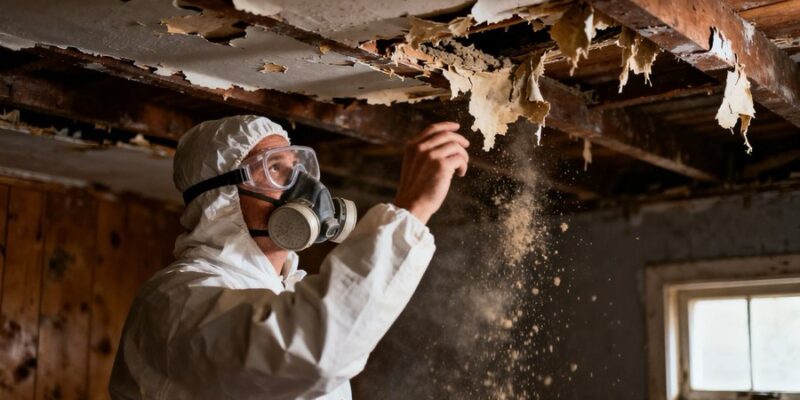
Accidentally disturbing asbestos in the home can be unnerving. Taking quick, practical steps is important to limit the health risks for everyone. Here are some clear actions to take right away:
Evacuate and Secure the Area
- Everyone nearby should leave the area immediately. Don’t let anyone go back in.
- Block off the area using tape, rope, or any barrier you have handy, and put up a warning sign if possible. This keeps others safe and signals there’s a potential asbestos hazard.
- If the debris is in a spot you can’t easily close, use creative barriers—maybe chairs or signs—to direct people away. For more details about safe stopping points, you can check this info on how to cease all work activities immediately.
Cease All Ventilation Systems
- Turn off all fans, air conditioning, or heaters that move air through the space. This limits how far any asbestos fibers could travel through the house.
- Try to avoid opening windows or doors in the affected area. The less airflow, the less chance for asbestos fibers to spread.
- Don’t attempt to clean or disturb the area further until professionals can help.
Implement Personal Protective Equipment
- If you must re-enter the area for any urgent reason, wear disposable coveralls, gloves, and, at a minimum, a properly fitted respirator designed for asbestos particles.
- Regular masks and cloth coverings won’t protect against asbestos fibers. Only specialized safety gear can provide real protection for the lungs and skin.
- Dispose of any safety gear properly after use—don’t re-use items that could have trapped asbestos dust.
Handling an asbestos disturbance calmly and correctly gives a better chance at preventing exposure. Follow these steps as soon as you realize there’s been a disturbance, and always call in professional aid for the next moves.
Assessing the Asbestos Disturbance
After an accidental disturbance of suspected asbestos-containing materials, a careful assessment is the next critical step. This evaluation helps determine the potential risk and guides the necessary response. It’s important to understand the nature of the material and the extent of the fiber release.
Determine Material Friability
Friability refers to how easily a material can be crumbled or pulverized by hand. This characteristic significantly impacts the potential for asbestos fibers to become airborne.
- Friable materials, such as insulation or some ceiling tiles, can release fibers when disturbed because they are soft and crumbly.
- Non-friable materials, like intact vinyl floor tiles or cementitious products, are much less likely to release fibers unless they are broken or cut.
- The condition of the material is also key; even non-friable materials can become friable if they are severely damaged or deteriorated.
Evaluate the Extent of Fiber Release
Assessing how much asbestos fiber may have been released into the air is vital for understanding the scope of the incident. This involves looking at the amount of debris created and the nature of the disturbance.
- A minor release might involve less than 3 square feet or 3 linear feet of debris.
- A major release involves more than 3 square feet or 3 linear feet of debris.
- Consider the duration and intensity of the disturbance. Was it a brief, accidental bump, or prolonged activity that pulverized the material?
Identify Potential Asbestos Sources
Pinpointing the exact material that was disturbed is necessary for accurate assessment and future prevention. This involves a visual inspection of the area where the disturbance occurred.
- Look for materials that commonly contain asbestos, such as older insulation, ceiling tiles, floor tiles, pipe wrap, or textured paints.
- Consider the age of the building or the specific building materials used. Materials installed before the 1980s are more likely to contain asbestos.
- If the source is not immediately obvious, consult building plans or seek professional advice to identify suspect materials.
Preventing Further Fiber Dispersal
Once asbestos has been disturbed, it is vital to take immediate steps to stop any airborne fibers from spreading further into the living space. This containment is key to minimizing exposure risks for everyone in the building. Think of it like trying to keep dust from a spilled bag of flour from getting all over the kitchen.
Contain Dust and Debris
If you notice dust or debris that might contain asbestos, the first rule is to avoid dry sweeping or brushing. These actions will just kick the particles up into the air, making the problem worse. Instead, use a damp cloth or a wet mop to gently clean up any visible material. For larger messes, consider using a wet vacuum cleaner equipped with a HEPA filter, which is designed to trap very fine particles. The goal is to keep the material wet and contained.
Minimize Movement in Contaminated Zones
It is important to limit how much people move around in an area where asbestos fibers may have been released. Every step taken can stir up settled dust. If possible, cordon off the affected area using caution tape or by closing doors. If you must enter the zone, move slowly and deliberately. If you are involved in cleanup, consider using a small, walk-in enclosure designed for containment, which can help manage the process. Learn about asbestos containment.
Avoid Dry Sweeping or Brushing
As mentioned, dry sweeping and brushing are big no-nos. They are highly effective at turning settled asbestos dust into airborne hazards. If you need to clean up a disturbed area, always use wet methods. This includes damp cloths, wet mops, or wet vacuums. This approach traps the fibers and prevents them from becoming airborne, which is the primary way they can be inhaled and cause health issues.
Reporting Asbestos Incidents
Discovering that asbestos-containing materials have been disturbed in your home can be a concerning event. It is important to act swiftly and correctly to manage the situation and minimize potential risks. Following an accidental disturbance, reporting the incident promptly to the appropriate parties is a key step in the process.
Notify Relevant Authorities Promptly
Immediate notification is critical when asbestos fibers may have been released into the air. The specific authorities you need to contact will depend on your location and the nature of the incident. Generally, this involves reporting to local environmental or occupational health agencies. These bodies are equipped to provide guidance on the necessary next steps and to ensure that the situation is handled in accordance with regulations. Failing to report can lead to regulatory issues and may delay proper assessment and cleanup.
Follow Established Reporting Protocols
Each jurisdiction and sometimes even specific institutions will have established protocols for reporting asbestos incidents. These protocols are designed to ensure that all necessary information is collected efficiently. Typically, you will need to provide:
- The exact location of the incident (e.g., building, room number).
- The type of material that was disturbed (e.g., insulation, tiles, siding).
- A description of how the disturbance occurred.
- Any immediate actions taken to control the spread of dust or debris.
- The names of individuals who may have been exposed.
Adhering to these protocols helps ensure a coordinated and effective response.
Document the Incident Details
Thorough documentation is vital for both regulatory compliance and for your records. Keep a detailed log of the incident, including:
- The date and time the disturbance occurred.
- Who discovered the disturbance and who was present.
- Photographs of the affected area, if it is safe to take them without disturbing the material further.
- Copies of all communications with authorities and any hired professionals.
- Records of any air monitoring or testing performed.
This detailed record-keeping can be invaluable later, especially if further assessment or remediation is required. It also serves as a historical account of the event and the steps taken to address it.
Professional Asbestos Remediation
After you’ve taken immediate steps to secure the area and stopped any activity that might be releasing fibers, the next big step is getting professionals involved. Trying to handle asbestos yourself, especially after it’s been disturbed, is really not a good idea. It’s complex work, and improper handling can actually make the situation worse by spreading fibers further.
Select Licensed Asbestos Abatement Services
When you’re looking for help, you need to find companies that are specifically licensed to deal with asbestos. Not just any contractor will do. These licensed services have the training and equipment needed to manage asbestos safely and effectively. It’s a good idea to get quotes from a few different places. Ask them about their experience with situations similar to yours. You’ll want to make sure they follow all the rules and regulations set by your state and local authorities.
Understand Cleanup Methodologies
There are a few ways professionals handle asbestos. They might use methods like:
- Wet cleaning: This involves using water or a special wetting agent to keep dust from becoming airborne. It’s often used during removal or cleanup.
- HEPA vacuuming: Special vacuums with high-efficiency particulate air filters are used to capture even the smallest fibers.
- Encapsulation: This is when a sealant is applied to the asbestos-containing material. It either binds the fibers together or coats the material, preventing fibers from escaping.
- Enclosure: This involves covering the asbestos material with something else, like a protective wrap or jacket, to keep it from being disturbed.
Your chosen professional will assess the situation and recommend the best approach. They should be able to explain exactly what they plan to do and why.
Verify Contractor Credentials and Experience
Before you sign any contract, do your homework on the company. Check that their license is current and that they have good standing with local regulatory agencies. Ask for references from past clients, especially for jobs similar to yours. It’s also wise to ensure that the company assessing the problem is separate from the company doing the cleanup. This helps avoid any conflicts of interest. Always get a written contract that clearly outlines the scope of work, the methods they’ll use, cleanup procedures, and disposal plans. This contract should also reference the specific federal, state, and local laws they must follow.
Understanding Asbestos Risks in Older Homes
Many homes built before the 1980s likely contain asbestos in various building materials. This material was widely used for its fire-resistant and insulating properties. However, when these materials degrade or are disturbed, they can release microscopic fibers into the air. Inhaling these fibers can lead to serious health issues over time, including lung diseases like asbestosis, and certain cancers.
Common Locations of Asbestos Materials
Asbestos can be found in a surprising number of places within older homes. It’s important to be aware of these common areas:
- Insulation: Particularly in attics, crawl spaces, and around pipes and boilers.
- Flooring: Vinyl floor tiles, sheet flooring, and their adhesives often contained asbestos.
- Roofing and Siding: Shingles, felt, and cement-based siding materials frequently incorporated asbestos.
- Textured Paints and Coatings: Popcorn ceilings and some wall paints used asbestos for texture and durability.
- Other Areas: It could also be present in older appliances, fireplace cement, and even some types of insulation around electrical wiring.
Risks Associated with Damaged Materials
Asbestos-containing materials are generally safe as long as they remain intact and undisturbed. The danger arises when these materials become damaged. Damage can occur through wear and tear, water damage, or during renovation and repair activities. When asbestos materials are cut, sanded, scraped, or broken, they release fine fibers into the air. These fibers are so small they can be easily inhaled and become lodged in the lungs. The longer and more intense the exposure, the higher the risk of developing asbestos-related diseases, which often have a long latency period, meaning symptoms may not appear for decades.
Importance of Pre-Renovation Surveys
Before undertaking any home improvement projects, especially in older properties, it is highly recommended to conduct a thorough asbestos survey. This survey should be performed by a qualified professional who can identify potential asbestos-containing materials. Knowing where asbestos is located allows for proper planning and safe handling procedures. Disturbing asbestos without proper precautions can lead to significant health risks and costly remediation efforts. A survey helps prevent accidental disturbance and ensures that any necessary abatement is carried out safely and effectively.







Comments