
 By
By 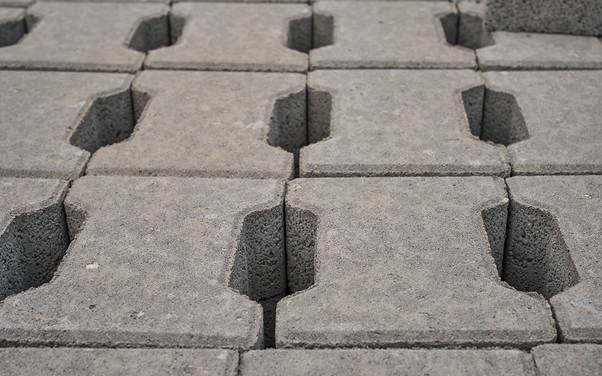
Concrete blocks are like the bread and butter of construction. Whether you’re building a bungalow or a boundary wall, chances are they’re somewhere in the mix. But not all concrete blocks are created equal. Some come hollow, others stay solid, and each has its own role to play in the building game. Knowing the difference helps you avoid wall-to-wall mistakes.
The Basics of Concrete Blocks
Concrete blocks are factory-made units formed by mixing cement, sand, and aggregates. They come in standard sizes and are known for their strength, fire resistance, and cost-efficiency. Builders love them because they’re easy to work with and stack up quickly.
When choosing materials, working with experienced concrete block suppliers can save you time and trouble. They can advise on what type of block fits your project without overselling or underdelivering.
What Are Hollow Concrete Blocks?
Hollow concrete blocks have cavities inside them. These are usually rectangular or square-shaped voids that take up about a third or more of the block’s total volume. The purpose of the hollow? Less weight, better insulation, and easier handling.
Benefits of Hollow Blocks
Hollow blocks are lighter than their solid counterparts, which makes them easier to lift and transport. That’s a relief when your workday involves a lot of hauling. They also use fewer raw materials, which can reduce costs in large projects.
The air pockets in hollow blocks act as natural insulation. This makes them good at reducing heat transfer and sound between rooms or floors. For tall buildings or structures where weight matters, hollow blocks help lighten the load without losing strength.
Hollow blocks can also accommodate steel reinforcements or electrical conduit, making them practical for structural builds. When you’re going high, hollow blocks often help you get there without putting too much pressure on the foundation.
What Are Solid Concrete Blocks?
Solid concrete blocks do exactly what they say on the tin. They’re dense, heavy, and filled from edge to edge. No hollow core here, just a chunk of concrete that means business.
Benefits of Solid Blocks
Solid blocks are best for load-bearing walls and foundations. Their extra weight gives them higher compressive strength, which makes them perfect for supporting vertical loads. They’re also less porous, which means they absorb less water and provide better resistance against moisture over time.
Because of their mass, solid blocks are better at resisting impact. If you’re building in an area where walls might take a beating, solid is the way to go. They’re also handy for retaining walls, underground structures, and wherever stability is key.
For projects that need long-term durability with minimal maintenance, builders often choose solid blocks. The extra strength doesn’t go unnoticed by architects or engineers.
Comparing Their Uses
Both hollow and solid concrete blocks serve different purposes. It’s not about which one is better, but rather which one suits the job. Hollow blocks shine in high-rise and partition walls where weight and insulation matter. Solid blocks come into play where structural support and strength are top priorities.
A reliable concrete block supplier will help you weigh up your options. They’ll ask about your site conditions, load requirements, and local building codes before pointing you to the right block for the right purpose.
ALSO CHECK OUT: Comparing Concrete Bricks and Concrete Blocks: Which Is Better for Your Project?
Installation and Handling
Hollow blocks are easier to handle due to their reduced weight, making installation quicker. They also use less mortar and can be set in place with less effort. This is handy for speeding up work on larger jobs.
Solid blocks, on the other hand, require more labour due to their weight. Transport costs can also add up, especially over longer distances. But for smaller-scale builds or where strength is a must, the extra effort is worth it.
Advancements in machinery and lifting tools have made it easier to work with both types. However, choosing the right type early on saves you the hassle of switching later. Seasoned concrete block suppliers will often suggest a mixed approach, hollow blocks for non-load-bearing parts, solid ones where it counts.
Long-Term Considerations
Over time, both types of blocks perform well when installed properly. Hollow blocks might need more care when it comes to moisture-proofing, especially in exposed areas. Solid blocks, due to their mass, have fewer weak spots but come at the cost of more weight and slightly higher material use.
Thermal efficiency, sound control, and reinforcement capacity are also factors to consider. If energy savings or indoor comfort are high on your list, hollow blocks offer added value. If you want a wall that stands its ground without flinching, go solid.
Contact Chi Han Trading to source the right concrete blocks for your next project. Whether you need them hollow, solid, or somewhere in between, their team stacks up the best advice and materials to keep your build steady from the ground up.






Comments