
 By
By 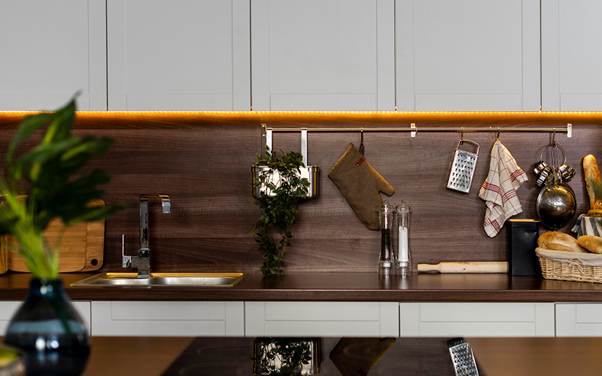
LED lighting has become the poster child for energy efficiency and modern living. Most households and offices have made the switch, convinced it’s the clear upgrade from older options. But while a LED light in Singapore is widely available and embraced, the assumptions about it aren’t always spot-on.
Let’s explore the misconceptions that keep doing the rounds and what reality looks like.
LED Lights Last Forever, Except They Don’t
One of the loudest claims is that it lasts a lifetime. While they certainly outlast incandescent or halogen bulbs, “forever” might be a stretch. LEDs degrade over time, meaning they grow dimmer well before they officially stop working. The quality of the components and how they’re installed can make a big difference. Don’t be surprised if some start flickering earlier than expected, especially in high-humidity areas or poorly ventilated fixtures.
All LEDs Are Energy-Saving, But Efficiency Varies
Yes, it uses less energy than traditional bulbs, but the efficiency isn’t uniform across the board. A high-quality LED light might consume significantly less electricity and produce more lumens per watt. However, cheaper alternatives could draw more power than you’d think while offering duller light output. Always check for actual wattage and lumens, rather than assuming every LED is a green hero.
White Light Means ‘Cool’ Light, But It’s Not Always True
Here’s where it gets technical. Many believe that all white LED lights emit a cold, bluish glare. But it comes in a full spectrum, including warm white tones that mimic soft sunlight. It’s entirely possible to enjoy a cosy, ambient space using LEDs, so long as you understand colour temperature and look for values around 2700K to 3000K for a warmer feel. The overly sterile hospital vibe? That’s not a requirement.
One Size Fits All, Until It Doesn’t Fit Anywhere
LED lighting isn’t a plug-and-play solution for every space. While swapping out bulbs might seem simple, LED compatibility with dimmer switches, older wiring systems, and enclosed fittings can become a problem. Not all LED lights play nicely with older infrastructure. In Singapore, where many homes still carry legacy fittings, choosing the right LED setup may require a bit of legwork, or a call to someone who knows their circuits.
ALSO READ: Lighting Trends: Incorporating Modern and Vintage Styles into Your Home
LED Lights Don’t Get Hot, Until They Do
A strange myth persists that LEDs generate no heat. While it’s true that LED bulbs remain cooler than incandescent ones, they still produce heat internally. That heat gets drawn away through built-in heat sinks. When those fail or the airflow around the bulb is blocked, you’ve got a recipe for early burnout or reduced lifespan. It does a good job of staying cool, but it’s not immune to heat entirely.
You Can Just Buy and Install, But the Setup Matters
Popping down to the shop and grabbing any LED bulb can lead to a lighting mismatch. Different rooms demand different brightness levels and beam angles. Kitchens and workspaces need brighter, cooler lights, while bedrooms benefit from warmer tones. Overhead lights shouldn’t have the same intensity as accent lighting. The trick is not just buying an LED light in Singapore, but choosing and positioning it to suit the space you’re lighting.
LED Is Always the Best Option, Sometimes It Isn’t
In many cases, that lighting is the sensible choice. But there are exceptions. Photography studios, heritage interiors, or places requiring highly specific colour rendering may still benefit from halogen or other specialised lights. LEDs have come a long way, but they haven’t fully replaced every purpose. Sometimes, the “old way” still has merit, especially when accuracy and tone are on the line.
Cost Always Equals Quality, That’s a Risky Assumption
High price tags often get equated with superior performance, but that isn’t always the case. Some pricey LED lights in Singapore do deliver in brightness, colour, and lifespan. Others, however, are just cleverly marketed. Conversely, there are mid-range options that outperform the premium labels. Read reviews, check specs, and don’t let price alone steer your purchase decisions.
There’s no denying that LED lighting has reshaped how we think about lighting design, sustainability, and energy usage. But not every bit of advice floating around holds up under closer inspection. From lifespan and heat management to colour and compatibility, it’s worth taking a second look at what you’ve assumed to be true. If you’re buying an LED light in Singapore, ask the questions that matter. Does it match your space, your needs, and your wiring setup? Rethinking the myths could save you time, money, and a few awkwardly lit corners.
Contact Light Avenue to find LED lighting options that suit your space without the guesswork.







Comments