
 By
By 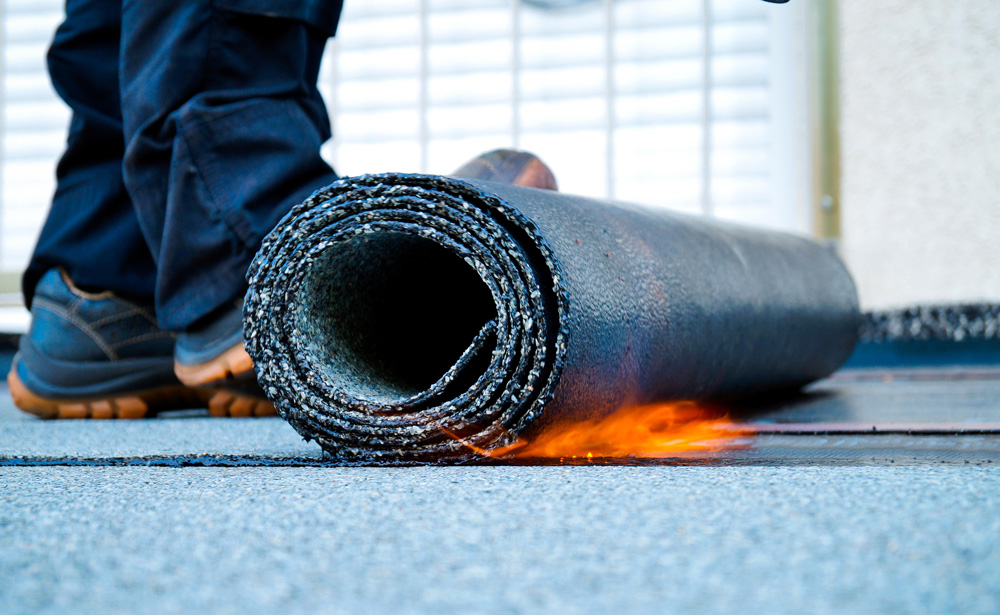
In tropical, rainy, and wet Singapore, waterproofing becomes more than a specification; it becomes a protective shield required by every home. Water damage begins surreptitiously, perhaps as balcony drips or staining on a ceiling, yet can quickly become costly repairs as well as potentially compromising a structure’s structural integrity.
Understanding the waterproofing process, why waterproofing fails, as well as preventing these failures will enable individuals to protect their assets so they remain safe, dry, and durable in years to come.
This blog outlines typical waterproofing penetrations found in HDB and condo dwellings, why they can happen, how they can happen, what experts normally do when making these penetrations waterproof again, and when a waterproofing expert such as RSF Waterproofing should be hired.
Why Waterproofing Matters in Singapore Homes
Regular rainfalls, humidity, and closely built flats make residences in Singapore more susceptible to water seepage. A vast number of residential flats, including both HDB and condominiums, rely on waterproofing membranes placed under the flooring, walls, and roof surface. When these protective membranes fail, water starts to move into the residential flats or the ceiling slabs adjacent to them.
Bad waterproofing doesn’t merely make stains; it can also make the paint flake up or lift off, swell the cabinetwork, cause efflorescence—a disagreeable white powdery coating over the walls, mould growth, and it can induce the steel reinforcement in the concrete to rust. All these faults, if untreated, reduce comfort as well as undermine the structural strength of the building.
Common Waterproofing Problems in Singapore
1. Ceiling Leaks
Among the more typical grievances of being an inhabitant in a tall building, ceiling leaks will inevitably occur when the waterproofing membrane below the kitchen or bathroom on the roof has deteriorated. Water drips down into the slab, producing damp patches, blistering of the paint, or unsightly brown marks on the ceiling below.
In HDB apartments, this typically refers to two apartments—the lower and upper ones—because the leak source is emanating from a location above the affected ceiling. The Housing & Development Board (HDB) typically coordinates such repairs through its ceiling leak repair scheme, where both homeowners share costs.
2. Bathroom Seepage
The bathrooms get constant barrages of water that put enormous forces on their waterproofing membranes. The cracks may form over a period of years; faulty installations may be found; repairs can damage components so that a leak forms that drips under floor tiles or cracks in the walls. In effect, this can give access to water entering adjacent bedrooms or the bottom unit.
Cement or membrane methods are used by plumbers in bathrooms to provide waterproofing. In Singapore, professional waterproofing for bathrooms frequently involves retreating a membrane or applying non-porous waterproofing systems when full tile removal is not a consideration.
3. Balcony Water Damage
Balconies are directly exposed to rain and heat, causing materials to expand and contract. If the joints do not close as much as they ought to do, then moisture will get under the tiles where it will cause damage to the slab or get into the building interior.
Waterproofing a balcony in Singapore utilizes an elastic membrane that can change with the various rain patterns found outside.
4. Roof Leaks
Older landed properties and some top-floor condos suffer from roof waterproofing failures. The bituminous or PU coating wears off over a period due to exposure to UV radiation. Cracks allow rainwater to access the roof slab or ceiling voids.
Routine inspection, as well as re-coating every several years, helps maintain roof waterproofing in Singapore’s climatic conditions.
Why Waterproofing Falls
Several underlying factors contribute to waterproofing problems in local homes.
- Ageing materials:Most waterproofing systems last 5 to 10 years. Once this lifespan ends, natural wear and tear cause cracks and detachment.
- Poor craftsmanship:Creates opportunities for leaks, whether it’s through neglecting surface preparation, applying uneven coatings, or insufficiently overlapping membranes.
- Structural movement:Settlement or expansion in buildings can cause hairline cracks that render the waterproof membrane useless.
- Improper renovation:It can damage waterproofing membranes by drilling or hacking walls and floors. Unless a plumber seals such membranes, water will penetrate through them.
- Blocked drainage:Clogged floor, bathroom outlets or balcony floor drainage can lead to puddles that overflow across joints and provide a dangerous situation.
Detection of Failure Indications in Waterproofing
Homeowners often notice visual cues long before leaks become severe. Watch out for these signs of waterproofing failure in Singapore homes:
- Damp or dark patches on ceilings and upper wall corners
- Peeling or bubbling paint and plaster
- The constant smells of mold or mildew
- Efflorescence (white salt spots on tile grout or concrete)
- Hairline cracks appearing after heavy rain
- Water stains near floor edges or skirting boards
If you notice several signs or wet weather continues despite cleaning, please consult waterproofing contractors in Singapore for a proper inspection.
Professional Waterproofing Solutions for Singapore
Depending on where and how severe the water intrusion was, contractors will then use a series of waterproofing materials and approaches to rebuild a waterproof seal; however, a handful of types will often be used recurrently.
1. Cementitious waterproofing
This system employs a cement-based coating that forms an exceptional bond with concrete surfaces. It is not only durable and cost-effective but is also commonly utilized in basements and bathrooms. Its rigid structure makes it ideal for scenarios that necessitate minimal movement.
2. Membrane Waterproofing
Flexible membranes, installed in liquid form or as sheets, create a hidden seal over walls and floors. It can be a very suitable system for roofs, balconies, and locations that allow negligible structural movement.
3. PU Injection Grouting
Polyurethane (PU) injection grouting in Singapore is a targeted technique for stopping active leaks without hacking. Professionals inject expanding PU resin into cracks or voids, sealing them from within. It’s a popular non-hacking waterproofing solution for ceiling leaks or wall seepage.
4. Bituminous Coating and Torch-On Membrane
Popular for waterproofing roofs, they offer excellent UV resistance and durability. You need to perform regular maintenance every 5 to 7 years to prevent degradation.
5. Non-Hacking Waterproofing Methods
When a direct renovation is not feasible, non-invasive waterproofing in Singapore utilises chemical grouts or surface-applied coats to create seals against minor seepage problems. It’s inexpensive, quick, and addresses minor seepage problems.
To further understand the materials, uses, and methods that contractors employ in these activities, you can further explore professional waterproofing services in Singapore.
Preventive Measures against Waterproofing Problems
It is undoubtedly cheaper to prevent waterproofing issues than to remediate them. Here are just a few proactive measures that will help to extend the life of your waterproofing systems:
- Schedule inspections of bathrooms, balconies, and roofs every two to three years for indications of cracking or minor leaks.
- Always keep the floor traps clear of debris to eliminate the chance of water collecting or ponding.
- Use flexible sealants at all material interfaces, i.e., nails, screws, corners, and non-waterproof fixtures, as expansion and contraction may occur without cracking, unlike with rigid sealants.
- Do not needlessly hack tiles or treat the waterproofing layers less than ideally.
- During a renovation process, always inform your contractor that there may be multiple layers of waterproofing under the tiles and sheeting, so they can avoid drilling or damaging them.
- Apply re-coating when needed. Don’t wait until leaks appear. Reapplying a membrane or coating before expiry can double the lifespan of the system.
Cost of Waterproofing in Singapore
The cost of waterproofing in Singapore varies based on the area size, method, and accessibility. For reference, here’s a general range observed in residential works:
- Waterproofing bathrooms:$500 – $1,200, depending on size and technique.
- Waterproofing of balcony:S$1,000 – S$2,500 depending on exposure.
- Roof waterproofing:S$1,500 – S$4,000 for re-coating or membrane systems.
- PU injection grouting:Approximately S$80–S$150 per injection point, depending on the severity of the leak.
Although rates vary, professional waterproofing contractors in Singapore typically provide a 3- to 5-year guarantee on both materials and craftsmanship.
When to call a professional
Once water damage has occurred, or if you’ve had a suspected leak coming from an upstairs area, it’s then that you need to hire a certified contractor. Minor patching or homeowner caulking rarely addresses the underlying issue.
For HDB residents, the first step is to confirm the source of the leak. Suppose it originates from the bathroom in the upper unit. In that case, HDB will coordinate repairs through its ceiling leak program, typically sharing the cost 50-50 between both households.
Landed property and condo owners should hire waterproofing specialists with experience working on multi-layer systems and knowledge of area codes. A professional investigation, involving moisture meter tests or pressure tests, can identify the exact location of failure before repairs begin.
Lifespan and Maintenance Requirements
How long will waterproofing last?
Typical systems in Singapore are expected to last around 5-10 years, depending on the material quality, exposure, and the level of maintenance. Cementitious paints can last longer under a dry internal cover. Still, externally applied membranes will require reapplication every few years due to exposure to UV radiation.
Routine inspection and pre-emptive re-coat can equally readily increase the useful lifespan by over a decade. Overlooks due to small cracks or staining inevitably result in a more expensive restorative repair sooner or later.
FAQs
1. Why is my ceiling leaking in HDB?
Most likely, the waterproofing layer in your upstairs neighbour’s bathroom has failed. Water seeps through the floor slab and appears on your ceiling. Contact HDB to initiate joint inspection and repair.
2. Who is responsible for HDB ceiling leaks?
Both the upper and lower flat owners share equal responsibility, as per HDB guidelines. All parties bear the repair cost equally.
3. What is the lifespan of waterproofing?
5-10 years, depending upon the application procedure and exposure. Balconies and roofs may need to be re-coated earlier since they experience more exposure to rain and sunlight.
4. Can I waterproof a bathroom by myself?
Some light maintenance, like applying sealant to visible joints, is acceptable. Still, full waterproofing requires the proper tools and materials, so it is recommended to hire a professional for the job.
5. What is non-hacking waterproofing?
It can be applied as a repair method, helping to seal off leaks without requiring the removal of finishes or installed tiles. It often manifests as a quick and unobtrusive waterproofing measure in bathrooms and balconies.
6. What is PU injection grouting?
A method where expanding polyurethane resin is injected into cracks to stop active leaks. It is accurate, fast-curing, and great for concrete walls or ceilings where water is entering a small, isolated area.
Final Considerations
You can’t necessarily blame water damage on a single human being. However, it is not the primary feature of your property. In that case, it’s still one of the vital elements for sustaining comfort and safety in the long term.
In Singapore’s weather conditions, minor leaks can quickly escalate into a much more serious issue if not addressed promptly. You can avoid unnecessary repair costs and save time by regularly inspecting and maintaining your roofing and waterproofing conditions, and getting an appropriately qualified plumber to undertake timely repairs when required.
Understanding the problems each trade can cause helps you respond quickly. If you notice a small patch of dampness, you can take action before it develops into bigger issues.






Comments