
 By
By 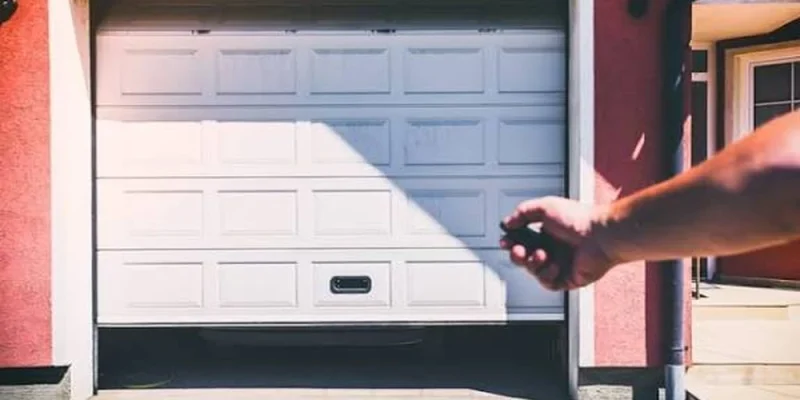
Your garage door is the largest movable object on your property. Not only is it the main entry and exit point, but it also makes your home look more beautiful. The regular usage and exposure to weather conditions lead to wear and tear on counterbalance and electric operators. If it fails to function properly, it is important to know why in order to stay safe and increase the value of your home.
If you see problems like rollers not in place, cracked panels, or worn out springs, spotting these issues early can stop more damage and save money. For system failures or high-tension part changes, calling for professional garage door repair in minneapolis helps your door work right and keeps it safe in every season.
1. Misaligned or Bent Garage Door Tracks
The tracks in the garage doors assist in directing the movement of the rollers. When the tracks misalign, even a little bit, it means that the motor will work harder than required. It would lead to wearing of the rollers.
- Causes of Track Bending: A car or truck might hit it by mistake. The brackets holding it might be loose. The weather changes a lot, or dirt and old grease build up.
- Warning Signs: The door is making loud squeaks. There are gaps between the rollers and the rails. It moves unevenly, or it stops halfway.
- Process of Repair: In the event that the track is slightly displaced, then one can attempt to straighten out the track by using the bolts and aligning the track using a rubber hammer. In the situation where the track is bent or twisted, then the rail has to be changed because it would cause the door to fall off.
2. Dented or Damaged Panels
A dented panel is not just about how it looks. It can change the way your garage door works. This can impact the whole system.
- Steel and Aluminum Doors: Small dents may be repaired using suction equipment used in auto body work. They may also be patched up, sanded, and repainted.
- Wooden Panels: Small splits in wooden garage doors must be immediately sealed with outside filler to prevent moisture penetration and warping of wood.
- Panel Replacement: In cases when there is a problem with only one part due to the impact of a vehicle, it is possible to replace only the panel in question rather than replacing the entire door and saving on installation costs.
3. Broken Torsion and Extension Springs
Garage door springs help with the weight of big door panels. They make the panels light enough for an electric motor or a person to lift easily.
| Feature | Torsion Springs | Extension Springs |
|---|---|---|
| Location | Mounted horizontally above the door opening | Mounted along the upper side tracks |
| Lifespan | 10,000 to 20,000 cycles | 5,000 to 10,000 cycles |
| Failure Sign | Loud “pop” noise, visible gap in the coil | Door hangs crooked, loose dangling cables |
| Safety Warning | High tension; high risk of severe injury | Requires safety cables to prevent flying debris |
Critical Safety Note: Never attempt a DIY replacement on torsion springs. These components operate under extreme mechanical tension capable of causing severe injury. Always leave spring replacement to certified door technicians equipped with specialized winding bars.
4. Snapped or Frayed Lifting Cables
Garage door cables work with the springs to help lift and lower the door. If a cable gets worn out or breaks, the door will not stay balanced.
- Frays in Cables: There is likely to be breakage in the strands of the cables as time passes. This can occur due to friction, excessive moisture in the atmosphere, or even due to corrosion. Checking whether there is any such problem will ensure that your door doesn’t fall suddenly.
- Cable Dislodged from Drum: If your door collides with something while it is being closed, then there are chances that the cable dislodges from the drum. Using the opener in such conditions might cause twisting of the steel tracks.
5. Garage Door Opener Malfunctions
When the door does not open or close, this is usually because of the electrical opener or the safety sensor system. It is not often a problem with the main door parts.
- Photo-Eye Sensor Maladjustment: In today’s modern age, most garage doors have a sensor system mounted to the floor, which makes use of infrared beams. If the sensor gets dusty, maladjusted, or obstructed by something, the door will start rising. The lights on the opener will also begin blinking.
- Stripped Drive Gears: If the motor emits sounds while the belt or chain doesn’t move, it means that the plastic gear in the opener is worn out. Therefore, a new plastic gear will be required.
- Limit Switch Adjustment: If the door starts rising again immediately after making contact with the ground, or if you see an opening at the bottom part of the garage door, then it means that the opener’s settings need to be adjusted.
Proactive Maintenance Keeps Your Door Operational
Preventive home maintenance can save you from emergencies. Lubricate the hinges and springs twice a year. Use silicone or lithium spray lubricants; never use the greasy stuff that makes the door dirty. All this ensures proper functioning of all the parts. Inspect the bottom seal, tighten the hardware, and get an annual professional inspection.
If small problems turn bigger-like the track getting misaligned, springs breaking, or needing a whole new door-call skilled people for garage door repair in minneapolis. They make sure your door stays safe, works well, and keeps out bad weather all year.


Comments