
 By
By 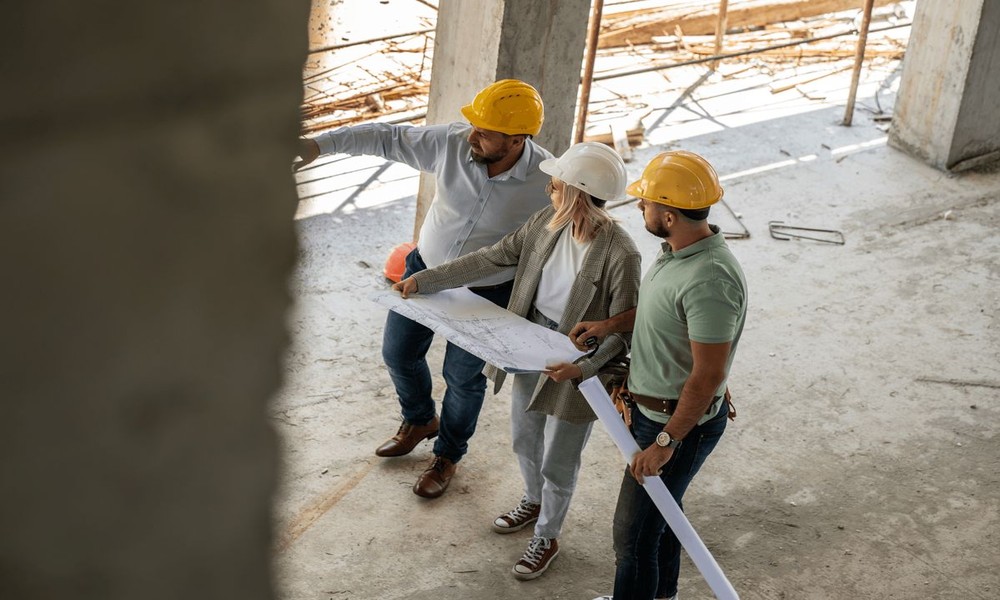
The construction industry is evolving. Builders and engineers are seeking methods that reduce environmental impact while maintaining efficiency. From energy-efficient materials to innovative design, sustainability is no longer optional. The focus is now on long-term solutions that protect natural resources and communities alike. Practices like using renewable materials, minimizing waste, and rethinking traditional construction methods are shaping the future of building.
Eco-Friendly Materials in Timber Bridge Construction
Timber bridge construction involves building bridges primarily from sustainably sourced wood. This approach minimizes carbon emissions compared to steel or concrete. Engineered timber also offers strength and durability while remaining lightweight. Modern timber bridges can withstand harsh weather, resist decay, and integrate easily into natural landscapes. By prioritizing renewable wood and responsible forestry practices, timber bridge construction promotes environmental balance and sets a new standard in sustainable building.
Reducing Coastal Impact Through Seawall Construction
Seawall construction refers to creating barriers along shorelines to prevent erosion and flooding. Traditionally, these walls were made from concrete, which can harm coastal ecosystems. Today, sustainable seawall designs use materials that blend with the environment and encourage marine life growth. Incorporating vegetation, recycled aggregates, or eco-friendly composites reduces the carbon footprint while protecting communities. Thoughtful seawall construction demonstrates that infrastructure can safeguard coastlines without compromising ecological health.
Energy Efficiency in Modern Building Techniques
Energy efficiency is central to sustainable construction. Advanced insulation, solar integration, and smart building systems reduce energy consumption. Using prefabricated modules or modular designs can also cut material waste and shorten construction timelines. Efficient construction techniques save money and energy while minimizing environmental damage. By designing with energy in mind, builders create structures that are resilient and forward-looking.
Water Management and Sustainable Seawall Construction
Water management strategies are transforming seawall construction further. Sustainable designs now include stormwater diversion, permeable surfaces, and natural filtration systems. These measures prevent flooding while supporting nearby habitats. By integrating hydrological planning, seawall construction becomes more than a defensive structure-it acts as an ecological partner. This approach enhances both human safety and environmental health along vulnerable coastlines.
Innovations in Timber Bridge Construction for Longevity
Advancements in timber bridge construction focus on durability and reduced maintenance. Treatments that resist pests and moisture, along with hybrid designs combining timber with steel or concrete, extend lifespan. Bridges built with longevity in mind reduce material consumption over time and lower overall carbon emissions. These innovations make timber bridge construction a sustainable choice for modern infrastructure projects.
Waste Reduction and Circular Practices
Reducing waste is a core principle of sustainable construction. Reusing materials, recycling debris, and designing for deconstruction all contribute to circular practices. Projects that implement waste reduction strategies lower environmental impact while saving costs. By viewing materials as a cycle rather than a one-time use, the construction industry can transform its approach to sustainability fundamentally.
Conclusion
Sustainable practices in construction are no longer experimental-they are essential. From timber bridge construction that harnesses renewable wood to seawall construction that protects ecosystems, these methods show how innovation and responsibility can coexist. Energy efficiency, water management, and waste reduction complement these strategies, creating a holistic approach to building. As the industry continues to evolve, embracing sustainable construction ensures that our infrastructure supports both human needs and the planet for generations to come.

Comments